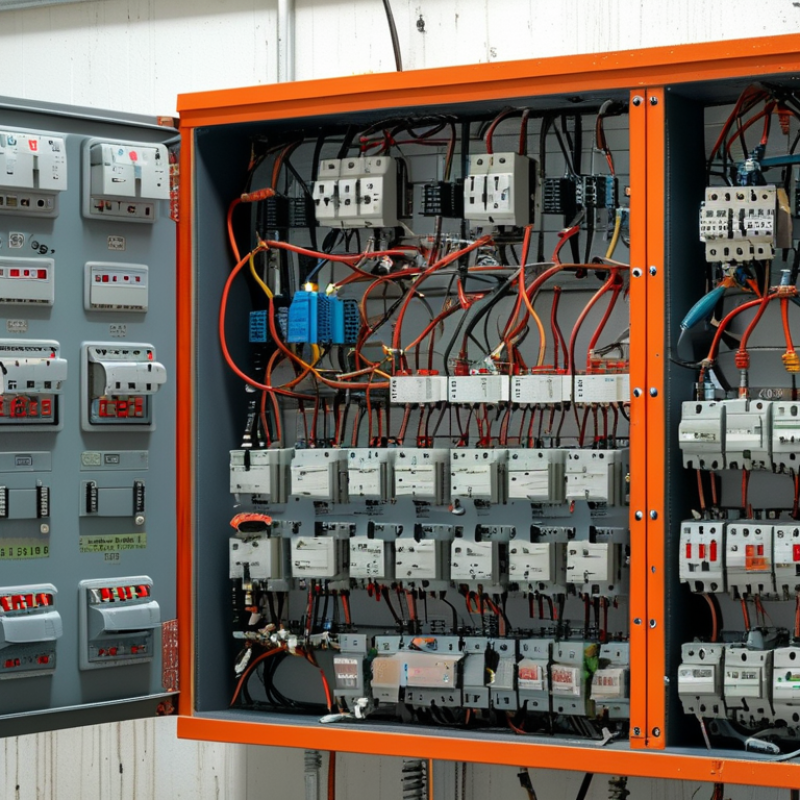
Choosing a Circuit Breakers Box is not simply a matter of counting breaker spaces. It is a safety decision that affects every light, outlet, appliance, and future electrical upgrade in a building. A suitable box must match the service rating, voltage, wiring method, available fault current, enclosure environment, and local electrical requirements. A poor match may create heat, nuisance tripping, difficult maintenance, or serious fire risk. Small details matter.
Mike Holt, a respected electrical educator and code expert, often emphasizes, “Safety is not an option; it is a requirement.” That principle shapes this 2026 Best Circuit Breaker Box Buying Guide. The guide examines main breaker capacity, busbar design, circuit compatibility, surge protection, labeling, installation space, and manufacturer support. It also considers practical scenes: a crowded panel in a humid garage, an older home adding an electric vehicle charger, or a workshop with several motor loads starting together.
Experience teaches a harder lesson. The cheapest box is rarely the cheapest long-term choice. However, a premium model is not automatically correct. Brand reputation cannot replace load calculations, inspection requirements, or careful installation. Product listings may also contain unclear specifications. Check twice.
Readers should compare certified products, confirm compatibility with their breakers, and consult a licensed electrician when installation or replacement is involved. This guide aims to make that process clearer, not effortless. Some decisions still require judgment, site measurements, and honest recognition of what the buyer does not yet know.
A circuit breaker box is the home’s electrical control center. It distributes power through individual branch circuits. Each breaker opens when current exceeds a safe level. This action limits overheating inside cables and walls. The main disconnect can shut down the entire panel during an emergency.
NFPA reported 344,600 home structure fires in the United States during 2023. Electrical distribution and lighting equipment remain important contributors to residential fire risk.
Choose a box with enough spaces for present and future circuits. Check its ampere rating, busbar design, enclosure condition, and interrupting rating. AFCI protection helps reduce fire risks from arcing faults. GFCI protection helps reduce shock risks near wet locations.
A load calculation matters more than simply choosing a larger panel. An oversized service can still hide undersized conductors. That mistake deserves more attention.
During inspection, look for warm breaker faces, buzzing, discoloration, loose wires, or corrosion. These details often appear before a serious failure.
Tips:
Keep the panel dry and clearly labeled. Never use a breaker as a routine light switch. Leave working space in front of the box. Ask a licensed electrical professional to verify compatibility, grounding, conductor size, and local requirements. ESFI industry data commonly associates residential electrical failures with thousands of fires each year, so a neat installation is not enough. Protection devices must match the circuit. A careful second check is worthwhile.
Choosing the right circuit breaker box starts with your property, not the box’s appearance. Count the existing circuits, note their ratings, and estimate future loads from heating, cooking, workshops, or electric vehicles. A small home may need less capacity than a larger property, but available spaces matter too. Leave room for expansion.
Check the service rating and confirm that it matches the incoming electrical supply. The enclosure should suit the installation location, such as an indoor utility room or a damp garage. Look for clear labeling, sturdy terminals, adequate grounding provisions, and compatible breaker types. Local electrical rules may also require specific protection, especially in kitchens, bathrooms, garages, and outdoor areas.
A qualified electrician should inspect the service entrance, conductor sizes, grounding system, and panel location before replacement. One practical mistake is focusing only on amperage while ignoring heat, corrosion, or crowded wiring. A larger box cannot correct undersized conductors. It can create a more serious hazard. I would also photograph each circuit before work begins, although labels should never replace testing. Keep the panel accessible, dry, and free from storage. If the existing box shows buzzing, scorching, moisture, or repeated tripping, stop using affected circuits and arrange a professional assessment.
A reliable circuit breaker box starts with ratings, not appearance. The 2023 NFPA 70 standard requires equipment to match system voltage, available fault current, and installation conditions. For many homes, a 120/240-volt, 200-amp service is common, but the existing service rating must decide the replacement. A box marked 10 kA interrupting capacity may be inadequate where fault current exceeds that figure. NFPA’s Home Structure Fires report found electrical distribution and lighting equipment involved in about 24% of reported home fires from 2016 to 2020. That number makes accurate rating checks more than paperwork.
Compatibility is less obvious than it looks. Count usable spaces, inspect the bus layout, and confirm the enclosure accepts the intended breaker family. The main breaker, branch breakers, neutral bar, grounding bar, and service disconnect must work together. Check wire size carefully; a larger breaker cannot safely compensate for undersized conductors. Certification to applicable safety standards, clear torque markings, and a documented short-circuit current rating improve reliability. UL Standards and the National Electrical Code provide useful benchmarks, but local requirements can differ.
I have seen attractive boxes fail simple fit checks. The door closed badly. The neutral bar was wrong. Small details matter. Compare indoor or weather-resistant enclosure ratings, temperature limits, and available knockouts before buying. A 2024 U.S. Energy Information Administration report shows residential electricity use remains substantial, with air conditioning and space heating creating heavy seasonal loads. That makes load calculations important, especially when adding electric vehicles, heat pumps, or workshop equipment. A qualified electrician should verify the panel schedule and available fault current before installation. Price alone is a weak test.
Choosing a circuit breaker box in 2026 starts before shopping. Record existing circuits, continuous loads, and planned equipment. The U.S. Energy Information Administration reported average household electricity use of 10,791 kWh in 2022. Annual consumption, however, does not reveal peak demand. A 5-kilowatt heater and an electric vehicle charger can stress a modest service. Have a qualified electrician complete a load calculation under NEC Article 220, rather than adding breaker ratings. Allow spare spaces, but do not oversize the service without utility approval.
Check voltage, phase, conductor material, enclosure rating, and available fault current. The panel’s short-circuit current rating must meet the calculated fault level. Use only listed breakers that match the panel’s approved configuration. Terminals need tightening to the manufacturer’s marked torque values. Loose connections can create heat quietly. In a subpanel, neutrals and equipment grounds generally remain isolated; local rules can differ. AFCI and GFCI protection should follow the current electrical code and the room’s use.
The installation area also needs planning. NEC 110.26 commonly requires about 30 inches of working width, 36 inches of depth, and 6.5 feet of headroom. Keep the floor clear. Label every circuit by its actual destination, not by a guess. NFPA’s Electrical Fires report for 2015–2019 recorded about 35,150 home structure fires annually involving electrical distribution and lighting equipment. That figure deserves attention. A tempting shortcut is reusing old conductors without inspection. Plans can be imperfect, especially in older homes, so verify insulation condition, grounding, conductor size, and concealed damage before energizing.
Practical reference data for residential circuit breaker box selection and planning. Ratings and installation requirements must be verified against the equipment labeling, the applicable electrical code, utility requirements, and the authority having jurisdiction.
| Planning Category | Specification or Decision | Typical Reference Data | Why It Matters | Safety and Compliance Check |
|---|---|---|---|---|
| Service Capacity and Panel Selection | ||||
| Service rating | Choose the panel bus and main disconnect rating to match the calculated service load. | Common residential ratings include 100 A, 125 A, 150 A, and 200 A at 120/240 V single-phase. | A larger ampere rating does not automatically increase the capacity of the utility service or feeder conductors. | Use a documented load calculation. Do not install a main breaker or service equipment rating above the permitted service capacity. |
| System voltage | Confirm the electrical system and the voltage required by each load. | Most North American dwelling panels use 120/240 V, single-phase, three-wire service with a grounded neutral. | Single-pole circuits normally supply 120 V; two-pole circuits can supply 240 V when connected across both ungrounded conductors. | Verify voltage, phase, grounding, and neutral arrangements before selecting breakers or connecting equipment. |
| Panel circuit spaces | Allow space for existing circuits, planned loads, and future expansion. | Residential load centers commonly provide approximately 12 to 42 full-size circuit spaces, depending on the enclosure. | Physical spaces and the panel’s approved circuit directory determine how many breakers can be installed. | Do not exceed the enclosure’s listed space, breaker, tandem-breaker, or busbar limitations. |
| Indoor or outdoor location | Select an enclosure suitable for the installation environment. | Indoor installations typically use a dry-location enclosure; outdoor or damp locations require weather-resistant equipment and appropriate enclosure protection. | Moisture, condensation, corrosion, and temperature can affect insulation and breaker operation. | Follow the enclosure marking, required working clearances, and local rules for weatherproof fittings and covers. |
| Main disconnect arrangement | Determine whether the panel will contain the service disconnect or function as a downstream distribution panel. | A service panel generally includes the main disconnect; a feeder panel normally requires a separate upstream disconnect. | The grounding and bonding arrangement differs between service equipment and downstream panels. | In a downstream panel, keep the neutral isolated from the equipment grounding bar unless the applicable code specifically permits another arrangement. |
| Wiring Requirements and Circuit Planning | ||||
| 15 A branch circuit | Use a breaker and conductors rated for the intended circuit and installation conditions. | 14 AWG copper conductors are commonly used for 15 A branch circuits where permitted by the applicable code. | Conductor ampacity must protect the wiring from overheating under normal and fault conditions. | Check conductor temperature rating, cable type, terminal rating, ambient temperature, and adjustment factors. |
| 20 A branch circuit | Provide a dedicated or shared 20 A circuit where the calculated load requires it. | 12 AWG copper conductors are commonly used for 20 A branch circuits where permitted by the applicable code. | Kitchen, laundry, bathroom, garage, and workshop receptacle circuits often require careful load and protection planning. | Use the correct receptacle configuration and apply required GFCI and AFCI protection for the location and circuit type. |
| 30 A branch circuit | Plan conductor size and breaker type around the equipment nameplate and continuous-load rating. | 10 AWG copper conductors are commonly associated with 30 A circuits, subject to installation conditions and local requirements. | Common applications include some water heaters, dryers, and dedicated equipment circuits. | Use a two-pole breaker where required, provide an equipment grounding conductor, and follow the appliance installation instructions. |
| 40–50 A equipment circuit | Size the circuit from the equipment nameplate, not from an assumed standard. | 8 AWG copper is commonly used for some 40 A circuits and 6 AWG copper for some 50 A circuits, depending on the wiring method and conditions. | Large cooking equipment, electric vehicle supply equipment, and other high-load appliances can require individual calculations. | Apply continuous-load rules, terminal temperature limits, conduit-fill rules, voltage-drop considerations, and manufacturer requirements. |
| Conductor material | Confirm whether copper or aluminum conductors are permitted by the panel and breaker terminals. | Copper and aluminum conductors have different ampacity, termination, and installation requirements. | Using an incorrect conductor material or size can create loose connections, overheating, or premature failure. | Use terminals marked for the conductor material and tighten connections to the specified torque. |
| Feeder sizing | Size feeder conductors, overcurrent protection, and panel rating as one coordinated system. | Feeder ampacity depends on conductor size, insulation temperature rating, number of current-carrying conductors, ambient temperature, and installation method. | A feeder must safely supply the calculated load without exceeding conductor or equipment ratings. | Verify voltage drop where long runs or sensitive equipment are involved; use the applicable code’s ampacity tables and correction factors. |
| Neutral conductor | Provide a neutral only where the circuit loads require it, and size it according to the calculated load and code rules. | Multiwire branch circuits share a neutral only when the ungrounded conductors are correctly arranged and simultaneously disconnected where required. | Improper neutral sharing can create overloads, unexpected voltage, or hazardous maintenance conditions. | Identify neutral conductors clearly and verify correct termination at the neutral bar. |
| Equipment grounding conductor | Include an equipment grounding path for branch circuits and feeders. | The required size is based on the rating of the circuit overcurrent protective device and the applicable code table. | The grounding path provides a low-impedance route for fault current so the protective device can open promptly. | Do not use a neutral conductor as a substitute for an equipment grounding conductor in new downstream wiring. |
| Protection, Installation, and Safety | ||||
| Interrupting rating | Select breakers with an interrupting rating suitable for the available fault current. | 10 kAIC is a common residential breaker rating, but higher ratings may be required by the calculated available fault current. | The interrupting rating indicates the fault current the breaker can safely interrupt under specified conditions. | Check the available fault current at the installation point and confirm any series-rated combination is specifically approved. |
| AFCI protection | Identify circuits that require arc-fault protection. | AFCI requirements commonly apply to many 120 V, 15 A and 20 A dwelling circuits in specified living areas, with local variations and exceptions. | AFCI devices are designed to reduce fire risk from hazardous arcing conditions. | Follow the current locally adopted code and use compatible breakers, wiring methods, and neutral arrangements. |
| GFCI protection | Protect personnel in locations where contact with electricity and grounded surfaces is more likely. | GFCI protection is commonly required for receptacles and equipment in bathrooms, kitchens, garages, outdoors, basements, laundry areas, and other specified locations. | GFCI devices respond to small current imbalances that may indicate current flowing through a person. | Test GFCI protection using the test function at the interval required by the manufacturer or local rules. |
| Surge protection | Consider a listed surge-protective device at the service equipment or distribution panel. | A whole-panel surge device can help limit transient overvoltage from utility switching, lightning-related events, and some load switching. | Surge protection can reduce stress on sensitive electronics but cannot eliminate all surge damage. | Install only equipment approved for the system voltage and follow the required conductor length, breaker, and grounding instructions. |
| Working clearance | Reserve clear, accessible space in front of the panel. | A commonly referenced dwelling working space is about 30 in wide and 36 in deep, with additional height and accessibility requirements depending on the installation. | Clearance allows safe operation, inspection, testing, and emergency disconnection. | Do not locate storage, plumbing, or permanent obstructions in the required working space; verify local dimensions before installation. |
| Panel height and access | Mount the panel where the disconnect and overcurrent devices can be reached safely. | Equipment must be readily accessible, and the maximum operating-handle height may be limited by the adopted electrical code. | Accessible equipment can be disconnected quickly during maintenance or an emergency. | Keep the panel directory legible and update it whenever circuits are added, removed, or repurposed. |
| Torque and termination | Use the manufacturer’s specified torque for lugs, terminals, and bonding connections. | Torque values vary by breaker, conductor size, terminal design, and equipment model; they must be taken from the product labeling or instructions. | Under-torqued or over-torqued connections can increase resistance, heat, and failure risk. | Use a calibrated torque tool where required and never place more conductors under a terminal than the equipment is listed to accept. |
| Inspection and commissioning | Complete inspection, testing, labeling, and documentation before energizing the installation. | Checks should include conductor identification, breaker compatibility, grounding continuity, GFCI/AFCI operation, cover fit, and circuit directory accuracy. | Commissioning helps identify wiring errors before they cause shock, fire, equipment damage, or nuisance tripping. | Service and panel work should be performed by a qualified electrician and permitted or inspected where required. |

Important: The reference conductor sizes and protection examples above are general planning values, not a substitute for a load calculation or local code review. Always use the latest locally adopted electrical code, the panel and breaker listing, utility requirements, and the equipment manufacturer’s instructions.
2026 Best Circuit Breaker Box Buying Guide
Maintenance, Troubleshooting, and Future Upgrade Options
A reliable breaker box needs more than a modern appearance. NFPA’s Home Structure Fires report estimates that electrical distribution and lighting equipment caused about 32,000 home fires annually from 2016–2020. These incidents represented roughly 11% of home fires and 18% of civilian fire deaths. Inspect the enclosure for heat marks, corrosion, loose covers, and unusual buzzing. A warm breaker deserves attention. Never reset a breaker repeatedly without finding the cause. That habit can hide a serious overload.
Maintenance should follow a written schedule. NFPA 70B emphasizes documented electrical maintenance, including inspection, cleaning, torque checks, and thermal scanning when appropriate. A qualified electrician should test suspected ground faults and confirm conductor sizes. Do not simply install a larger breaker. The wiring may not support it. That mistake is easy to make. It is also expensive.
Future planning starts with a load calculation, not empty spaces alone. Electric vehicle charging, heat pumps, induction cooking, battery storage, and rooftop generation can change demand quickly. The U.S. Energy Information Administration reported that residential electricity use reached about 1.5 trillion kilowatt-hours in 2023. That trend makes capacity planning more important. Consider available bus capacity, service rating, surge protection, and space for approved protective devices. Smart monitoring can reveal repeated overloads, but it cannot repair damaged wiring. I would also photograph every circuit label. Labels fade, and memory is unreliable.
© Copyright 2025 | LittleFirefighter.com | All Rights Reserved | 1EZ Creative: Orange County Web Design
Fusce ut ipsum tincidunt, porta nisl sollicitudin, vulputate nunc. Cras commodo leo ac nunc convallis ets efficitur.

12345 North Main Street,
New York, NY 555555
1.800.555.6789
sale@vibrotools.com