
Choosing a 12 Volt Marine Toilet in 2026 requires more than comparing flush buttons and retail prices. Electrical draw, pump design, discharge controls, bowl height, and service access affect daily comfort. A toilet that works quietly at the dock may struggle when batteries weaken offshore. Small details matter.
The NMMA 2023 Recreational Boating Statistical Abstract shows the continuing scale of recreational boating in the United States. Its economic impact reached approximately $230 billion, supporting demand for dependable onboard systems. Market research from Grand View Research also identifies marine sanitation equipment as a specialized product segment, although public reports rarely separate 12-volt toilets clearly. That limitation deserves attention. Broad market growth does not guarantee a better product for your boat.
Nigel Calder, author of Boatowner’s Mechanical and Electrical Manual, offers a useful service principle: “Keep it simple, and make it serviceable.” His advice fits marine toilets precisely. A reliable model should include accessible hoses, protected wiring, replaceable pumps, and clear installation instructions. It should also match the vessel’s battery capacity and plumbing layout. Measure twice.
This 2026 Top 12 Volt Marine Toilet Buying Guide examines practical performance, installation demands, odor control, noise, energy use, and long-term maintenance. It considers real boating conditions, including short-handed cruising, rough water, limited freshwater, and cold starts. Manufacturer claims are not enough. Independent testing remains uneven across this category, so buyers should inspect warranty terms and spare-parts availability carefully. I may be overly cautious, but an offshore toilet is not a decorative upgrade. It is a compact sanitation system that must work when convenience disappears.
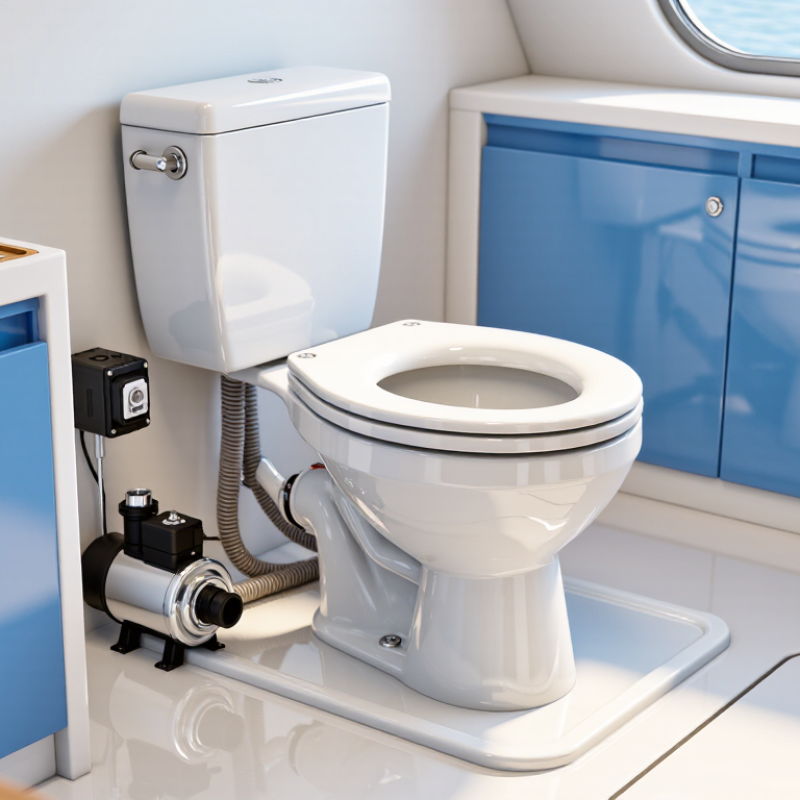
Choosing a 12-volt marine toilet starts with understanding its flushing system. Electric-flush models use a pump to move water and waste. Macerating models also grind waste before discharge to the holding tank. Some toilets use seawater, while others connect to the boat’s freshwater system.
During a small-cabin refit, I checked three details first: battery capacity, hose routing, and pump access. A 12-volt unit may draw significant current during flushing. Undersized wiring can cause slow operation or repeated fuse failures. Noise matters. A compact electric pump can sound surprisingly sharp inside a quiet cabin.
Core functions include water intake, bowl evacuation, maceration, and controlled discharge. The control panel may offer separate fill and flush buttons. Some systems use one-touch operation, but simple controls are easier to troubleshoot.
An anti-siphon loop helps prevent unwanted water movement through the plumbing. The holding tank also needs proper ventilation and secure connections.
Measure the available space carefully. Leave room above the pump and beside the service panel. I once assumed a narrow installation would simplify maintenance. It did not. A blocked hose clamp made a basic inspection unnecessarily difficult. Regularly check seals, wiring terminals, hose clamps, and the fuse. Use only compatible marine sanitation parts, because ordinary household fittings may soften, leak, or fail under vibration.
A 12-volt marine toilet should match your boat’s plumbing, battery system, and daily use pattern. Measure the discharge hose diameter before choosing a model. Some boats use older fittings that need adapters. That small mismatch can create leaks, odors, or difficult maintenance.
Check the electrical system carefully. Confirm the toilet’s voltage, fuse rating, and starting current against your boat’s wiring. A long cable run may cause voltage drop, especially when the battery is partly discharged. Use marine-grade wiring with suitable protection. Do not rely on memory. Read the installation manual and measure the actual cable distance. I have seen otherwise suitable toilets perform poorly because the wiring was too light.
Space is often the real limitation. Record the available width, depth, and seat height around the mounting area. Leave room to open the lid and reach the service panel. Check the pump outlet direction before drilling any holes. A compact compartment may still block hose bends or electrical connections. Mock the toilet’s footprint with cardboard first. It feels simple, but this step can reveal awkward access that drawings miss. Also inspect the floor structure. A flexible or damp mounting surface can loosen fasteners over time, and that problem is easy to underestimate.
A 12-volt marine toilet should be judged by more than its flushing power. On a small cruiser, I have compared electric macerating units with manual pump models during overnight trips. Electric systems usually clear the bowl quickly, but their motor can sound sharp in a quiet cabin. Manual systems are quieter and simpler, though they demand more effort and careful pumping.
Water use affects both comfort and waste capacity. Some electric toilets use less than one liter per flush, while others consume several liters. That difference becomes significant when the holding tank is small. Low-water flushing can leave solids behind if the bowl shape or pump is poorly designed. I once focused too heavily on low consumption and underestimated rinsing performance. That was a costly assumption.
Noise also depends on mounting, hose routing, and battery condition. A weak battery may make the pump sound strained. Check the toilet’s current draw, wiring size, and circuit protection before installation. Waste management requires a sealed holding tank, a clear vent line, and secure sanitation hoses. The vent should not allow odors to collect inside the cabin. Regularly inspect hose clamps and tank fittings for leaks. Local discharge rules must guide tank use and pump-out practices. A practical test should include several flush cycles, a nearly full tank, and operation when the boat is moving. That reveals problems showroom demonstrations often hide.
Comparing flushing systems, water use, operating noise, and waste-management requirements
The chart uses representative mid-range operating values commonly reported for compact marine sanitation systems. Water use is shown per flush, while noise is measured as a typical sound-pressure level at approximately one metre. Actual performance varies with hose layout, holding-tank distance, battery voltage, installation, and flush settings.
| Flushing system | Typical water use | Typical noise | Waste-management considerations |
|---|---|---|---|
| 12V electric macerating | 0.6–1.2 L/flush | 60–75 dBA | Cuts waste before discharge; requires reliable 12V wiring, an in-line fuse, service access, and a holding tank or approved overboard discharge system. |
| 12V electric flush | 1.0–2.0 L/flush | 55–70 dBA | Moves waste with an electric pump; larger water volumes can fill the holding tank faster and may require more frequent pump-outs. |
| Vacuum flush with 12V pump | 0.3–0.6 L/flush | 55–65 dBA | Uses small-diameter sanitation lines and a vacuum reservoir; seals, vacuum lines, and the pump require periodic inspection. |
| Manual pump baseline | 0.5–1.5 L/flush | 45–60 dBA | No electrical load; depends on manual pumping and gravity or a separate discharge pump, with fewer electrical components to maintain. |
A 12-volt marine toilet should be judged by more than flushing power. Material quality matters in saltwater, vibration, and changing temperatures. Look for corrosion-resistant fasteners, reinforced marine hoses, and a bowl that resists staining and cracking. ABYC H-23 and ISO 8099 provide useful guidance for marine sanitation systems. Their requirements help buyers assess installation, discharge control, and system integrity.
Reliability depends on the complete electrical circuit. Check the motor’s current draw, fuse protection, cable size, and switch sealing. ABYC E-11 offers practical standards for marine DC wiring, while ISO 8846 addresses ignition protection for electrical equipment. The 2023 U.S. Coast Guard Recreational Boating Statistics recorded 4,012 accidents, 556 deaths, and 2,641 injuries. A toilet may seem unrelated, but flooding, shorts, and blocked discharge lines can create avoidable onboard hazards. Safety belongs in the buying decision.
Maintenance is where many systems disappoint. Rinse the bowl, inspect hose clamps, and check the anti-siphon loop regularly. Keep replacement seals and a manual backup method onboard. The NMMA 2024 U.S. Recreational Boating Statistical Abstract reported 11.6 million registered recreational vessels in 2023, showing how widely marine equipment is used. Still, a large market does not guarantee reliability. A polished housing can hide weak wiring. Choose serviceable parts, clear instructions, and accessible connections. Perfect maintenance is unrealistic. Consistent maintenance is achievable.
Choosing the best 12-volt marine toilet starts with your boat’s real operating conditions, not appearance. The NMMA’s 2023 Recreational Boating Statistical Abstract recorded approximately 11.6 million registered recreational boats in the United States. Many owners therefore face different priorities, from compact cabin layouts to heavy weekend use. Measure the available space, discharge route, hose length, and battery distance before comparing models.
Check the toilet’s running current, starting surge, flush-water demand, and recommended fuse size. A longer cable run can create voltage drop, especially on older boats. A larger bowl feels more comfortable, but it may reduce usable cabin space. A low-water flush can protect freshwater reserves, yet it may require more frequent cleaning. No choice is perfect.
ABYC Standard H-27 emphasizes proper marine sanitation-system installation, including secure plumbing and ventilation practices. Follow those requirements and the manufacturer’s installation instructions. Select corrosion-resistant fittings, a serviceable pump, and a manual override when practical. During a dockside test, listen for irregular cycling and inspect every connection for seepage. Quiet operation matters. So does easy access.
The best 12-volt marine toilet matches your battery system, crew size, cruising duration, and maintenance habits. I would not judge performance from one short test. Cold mornings, low battery voltage, and rough water can expose weaknesses that showroom demonstrations miss.
| Rank | Toilet Configuration | Best Use | Typical Voltage | Typical Current Draw | Freshwater Use per Flush | Discharge Options | Installation Difficulty | Key Advantage | Important Buying Check |
|---|---|---|---|---|---|---|---|---|---|
| 1 | Compact 12-Volt Macerating Toilet | Small cabins and compact sailboats | 12 V DC | 15–25 A | 0.5–1.0 L | Holding tank or overboard where legal | Moderate | Space-saving bowl and effective waste reduction | Confirm the pump can handle the planned discharge-head height and hose length. |
| 2 | Standard-Height Macerating Toilet | General cruising and family boats | 12 V DC | 15–30 A | 0.5–1.5 L | Holding tank or approved overboard discharge | Moderate | Balanced comfort, flushing performance, and availability | Measure seat height, bowl projection, service access, and door clearance. |
| 3 | Low-Profile Macerating Toilet | Low-deck installations and restricted head compartments | 12 V DC | 15–30 A | 0.5–1.5 L | Holding tank or approved overboard discharge | Moderate | Fits beneath shelves, counters, or limited overhead space | Check the pump housing and discharge outlet do not interfere with the sole or structure. |
| 4 | Electric Flush Toilet with Remote Pump | Layouts requiring a separate pump location | 12 V DC | 15–30 A | 0.5–2.0 L | Holding tank or approved overboard discharge | Advanced | Flexible component placement and easier access to some service parts | Plan a dry, accessible pump location and keep suction lines short and well-supported. |
| 5 | Quiet-Flush 12-Volt Toilet | Sleeping cabins and noise-sensitive cruising | 12 V DC | 15–25 A | 0.5–1.5 L | Holding tank or approved overboard discharge | Moderate | Reduced operating noise compared with louder pump designs | Look for published sound data and install vibration-isolating mounts where specified. |
| 6 | Dual-Function Flush Toilet | Boats needing liquid-saving and full-flush choices | 12 V DC | 15–30 A | 0.2–1.5 L | Holding tank or approved overboard discharge | Moderate | Helps reduce freshwater consumption during extended trips | Verify that low-water settings provide adequate bowl rinsing for solids. |
| 7 | Freshwater-Fed Electric Toilet | Vessels with reliable pressurized freshwater systems | 12 V DC | 15–30 A | 0.5–2.0 L | Holding tank or approved overboard discharge | Moderate | Reduces seawater odor and mineral deposits in the bowl and lines | Use a correctly rated anti-siphon arrangement and avoid cross-contamination of the potable system. |
| 8 | Seawater-Fed Electric Toilet | Boats conserving freshwater during offshore cruising | 12 V DC | 15–30 A | Minimal freshwater use | Holding tank or approved overboard discharge | Advanced | Preserves tank water for drinking, cooking, and hygiene | Install a strainer, serviceable intake seacock, anti-siphon protection, and odor-control routine. |
| 9 | Remote-Control Panel Toilet | Installations requiring convenient flush controls | 12 V DC | 15–30 A | 0.5–2.0 L | Holding tank or approved overboard discharge | Moderate | Allows control placement near the user or outside a wet area | Use marine-grade switches, suitable cable protection, and a sealed mounting location. |
| 10 | Heavy-Duty Commercial-Style Electric Toilet | Charter boats and high-use recreational vessels | 12 V DC | 20–35 A | 0.5–2.0 L | Holding tank or approved overboard discharge | Advanced | Designed for frequent operation and robust service access | Check duty-cycle limits, replacement-part availability, and the house battery’s peak-load capacity. |
| 11 | Electric Toilet for Long Discharge Runs | Layouts with remote or elevated holding tanks | 12 V DC | 20–35 A | 0.5–2.0 L | Holding tank or approved overboard discharge | Advanced | Higher pumping capability for appropriately engineered pipe runs | Compare the manufacturer’s maximum vertical lift, horizontal run, and hose-diameter limits. |
| 12 | Low-Consumption Electric Marine Toilet | Weekend boats and small battery-bank systems | 12 V DC | 10–25 A | 0.2–1.0 L | Holding tank or approved overboard discharge | Moderate | Lower water and energy demand when correctly adjusted | Do not select by amp rating alone; verify complete flush-cycle energy use and reliable bowl clearing. |
© Copyright 2025 | LittleFirefighter.com | All Rights Reserved | 1EZ Creative: Orange County Web Design

Fusce ut ipsum tincidunt, porta nisl sollicitudin, vulputate nunc. Cras commodo leo ac nunc convallis ets efficitur.

12345 North Main Street,
New York, NY 555555
1.800.555.6789
sale@vibrotools.com
