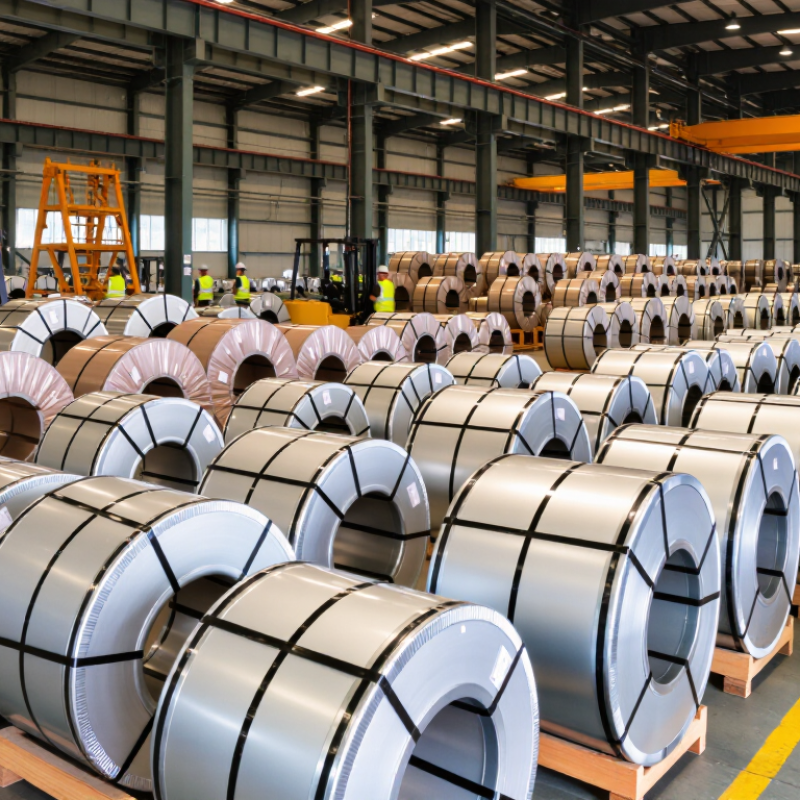
2026 Top Cold Rolled Steel Strips Suppliers to Buy

Buying Cold Rolled Steel Strips in 2026 requires more than comparing prices on a supplier website. Buyers need consistent thickness, clean surfaces, reliable mechanical properties, and delivery performance. A strip that looks polished in a sample may behave differently during stamping, slitting, or forming.

This guide examines leading suppliers through practical purchasing criteria. These include production capacity, steel grades, dimensional tolerances, surface finishes, edge quality, packaging, and export experience. Certifications such as ISO 9001 can support confidence, but they should not replace mill certificates, test reports, and sample verification. Ask for evidence.

Experienced buyers often inspect coil protection, labeling, and moisture control before approving a shipment. Small details matter. A damaged edge can create waste during high-speed processing. Unclear documentation can also delay quality approval or customs handling. Supplier responsiveness matters when specifications change unexpectedly.

The selection is not presented as an absolute ranking. Regional strengths, minimum order quantities, lead times, and end-use requirements can change the best choice. Some suppliers may offer excellent prices but limited technical support. Others may provide stronger quality control at a higher cost. That trade-off deserves honest review.

This article highlights suppliers that appear suitable for automotive components, appliances, construction parts, packaging, and general fabrication. Information should still be checked directly with each company. Product ranges, certifications, and delivery conditions may change during 2026. Use this overview as a practical starting point, not a substitute for testing, contracts, or professional procurement judgment.

2026 Top Cold Rolled Steel Strips Suppliers to Buy

What Cold Rolled Steel Strips Are and Why They Matter

Cold rolled steel strips are carbon or alloy steel coils reduced at room temperature. The process improves thickness control, surface finish, and mechanical consistency. Unlike hot rolled material, the strip can arrive with a cleaner, smoother surface and tighter dimensions. These details matter in stamped parts, electrical cabinets, furniture hardware, and precision assemblies.

World Steel Association reported 1,849.7 million tonnes of crude steel production in 2023. That scale shows why consistent downstream processing matters. The International Energy Agency’s Iron and Steel Technology Roadmap estimates that steelmaking creates about 7% of global energy-related carbon dioxide emissions. Cold rolling does not erase this burden. Buyers should therefore examine recycled content, mill energy data, and transport distance, not only price.

A practical inspection starts with gauge readings across the coil width. Check edge condition, burrs, oil coverage, surface scratches, flatness, and visible rust. Mechanical properties must match the forming process, especially after annealing or temper rolling. A tidy certificate is not enough. Ask for test methods, batch traceability, and sample results from recent production. Supplier comparisons can still be imperfect because reported tolerances may reflect different standards or testing locations. That uncertainty deserves a clear question, not an assumption.

Key Quality Standards for Choosing a Reliable Steel Strip Supplier

Choosing a cold rolled steel strip supplier in 2026 requires more than comparing prices. Reliable quality starts with controlled chemical composition, stable production equipment, and documented inspection procedures. Ask for evidence.

Check thickness, width, flatness, tensile strength, yield strength, and elongation against your drawings. Small deviations can cause feeding problems in stamping lines. Surface defects matter. Scratches, edge cracks, rust spots, and uneven oil coverage may appear minor, but they can damage dies or weaken later forming. Request samples from regular production, not specially prepared pieces.

A dependable supplier should provide heat numbers, coil identification, mill test certificates, and traceable inspection records. Independent testing can verify hardness, dimensions, and surface condition when the application is sensitive. Packaging also deserves attention. Tight wrapping, protected edges, moisture barriers, and clear labels reduce damage during transport and storage. Ask how rejected material is isolated and corrected. That answer often reveals the real quality culture.

Supplier evaluation should include equipment maintenance, operator training, calibration schedules, and response time for nonconformities. Factory audits and trial orders offer useful evidence, but neither guarantees perfection. I once focused too heavily on certificates and overlooked inconsistent edge trimming. That mistake was costly. Quality standards must match the final use, not simply look impressive on paper. Leave room for review, because a supplier’s performance can change after equipment upgrades, material substitutions, or rapid order growth.

How to Compare the Top Cold Rolled Steel Strip Suppliers in 2026

How to Compare the Top Cold Rolled Steel Strip Suppliers in 2026

Comparing cold rolled steel strip suppliers requires more than checking the lowest quotation. Review thickness, width, tensile strength, surface finish, edge condition, and tolerance control. Ask for recent mill test certificates and inspection records. Reliable suppliers should explain how they verify each batch. Request samples when surface quality matters. A small scratch can affect stamping performance. Production capacity and lead time also deserve close attention, especially for repeat orders. A supplier may promise fast delivery, yet capacity details can remain unclear.

Tips: Compare landed cost, not only unit price. Include slitting, packaging, freight, testing, and possible rework. Check whether the supplier can maintain stable dimensions across multiple batches. Ask about traceability from raw coil to finished strip. Clear answers usually indicate stronger process control. Vague answers deserve caution.

Communication is another practical test. Ask technical questions and observe the response time and accuracy. A dependable supplier should confirm tolerances, coil weight, inner diameter, and packaging methods in writing. Payment terms matter, but consistent quality matters more. One common mistake is accepting attractive samples without checking production consistency. That decision can create waste later. Even experienced buyers may overlook this point. Supplier evaluation is not perfectly objective; your actual forming process may reveal weaknesses that documents cannot show. Keep records from each trial and adjust your comparison criteria when the evidence changes.

2026 Top Cold Rolled Steel Strips Suppliers to Buy - How to Compare the Top Cold Rolled Steel Strip Suppliers in 2026
Comparison Dimension What to Compare Relevant Technical or Commercial Data What Buyers Should Verify
Steel Grade Availability Material Selection
Carbon steel, low-carbon steel, high-carbon steel, stainless steel, or specialty strip grades.
Common low-carbon cold rolled grades include commercial quality and drawing-quality steels. Stainless strip is commonly supplied in austenitic, ferritic, or martensitic grades. Can the supplier provide the required grade, chemical composition, mechanical properties, and applicable standard such as ASTM, EN, JIS, or GB?
Thickness Capability Dimensional Range
Minimum and maximum thickness offered for the required steel grade.
Cold rolled strip is commonly produced in thin gauges, often below 3.00 mm. Actual limits depend on grade, width, rolling equipment, and customer tolerances. Is the quoted thickness available for continuous production? Are thickness tolerances stated according to a recognized product standard?
Width Capability Slit and Mill Width
Maximum mill width, minimum slit width, and width tolerance.
Cold rolled strip may be supplied in master coils or slit coils. Slitting capability affects narrow-width availability, edge quality, and burr control. Can the supplier meet the requested width without additional processing? What are the permitted width deviation, camber, and edge-burr limits?
Mechanical Properties Performance
Yield strength, tensile strength, elongation, hardness, and forming performance.
Mechanical values vary significantly by grade and temper. Annealed strip is generally more formable, while full-hard strip provides higher strength and hardness. Are test results supplied for every lot? Is the material annealed, skin-passed, quarter-hard, half-hard, three-quarter-hard, or full-hard?
Surface Finish Appearance and Function
Surface roughness, cleanliness, oiling, scale condition, and finish uniformity.
Cold rolled products can be supplied with bright, matte, or specified surface finishes. Surface requirements differ for stamping, painting, plating, electrical parts, and visible components. Is the surface finish defined by a standard or an approved reference sample? Can the supplier control scratches, roll marks, stains, pits, and rust?
Edge Condition Processing Quality
Mill edge, slit edge, deburred edge, or special edge preparation.
Slitting can create a burr or a slightly work-hardened edge. Edge condition is important for stamping dies, spring components, safety parts, and automated feeding systems. What is the maximum edge burr height? Is edge waviness controlled? Can the supplier provide deburring or edge-rounding when required?
Coil and Strip Dimensions Handling Compatibility
Coil outside diameter, inside diameter, coil weight, strip length, and winding direction.
Coil dimensions must match the buyer’s decoiler, slitting line, press line, or storage system. The required inside diameter is normally specified by the processing equipment. Can the supplier meet the required coil weight and inner diameter? Are telescoping, coil collapse, loose winding, and winding tension controlled?
Dimensional Tolerances Consistency
Thickness, width, flatness, camber, crown, and length tolerances.
Tolerances depend on the selected product standard, thickness, width, grade, and processing route. Tighter tolerances may require additional inspection or a negotiated specification. Are standard and special tolerances clearly separated in the quotation? Does the supplier use calibrated gauges and documented inspection procedures?
Quality Documentation Traceability
Mill test certificate, heat number, inspection report, packing list, and material identification.
A complete material certificate normally identifies chemical composition, mechanical test results, product dimensions, applicable standard, heat number, and inspection status. Is lot-level traceability maintained from raw steel to finished coil? Can documents be issued in the buyer’s required format before shipment?
Production and Inspection Controls Process Reliability
Rolling, annealing, skin passing, slitting, surface inspection, and final measurement controls.
Consistent cold rolled strip quality depends on controlled reduction, heat treatment, tension, flatness, surface inspection, and slitting conditions. Does the supplier maintain documented process control plans? Are inspection records available for thickness, width, flatness, surface, hardness, and edge quality?
Minimum Order Quantity Purchasing Flexibility
Trial quantity, standard production lot, and custom-size minimum order.
Minimum order quantities vary by grade, thickness, width, coil configuration, and whether the material is standard or custom processed. Is a smaller trial order available? Does the minimum order apply per grade, per size, per coil, or per shipment?
Lead Time Delivery Planning
Sample preparation, production scheduling, inspection, packing, and transit time.
Standard sizes are generally easier to schedule than custom grades, narrow slit widths, special finishes, or tight tolerances. International delivery also includes port and customs variables. Is the lead time counted from purchase order, payment, technical approval, or deposit? Are production and shipping milestones provided?
Packaging and Corrosion Protection Shipment Protection
Export packing, waterproof wrapping, steel strapping, pallets, edge protection, and rust prevention.
Cold rolled steel is vulnerable to moisture-related staining and corrosion. Packaging should be suitable for the transport route, storage period, and indoor or outdoor handling conditions. Is packaging suitable for sea, rail, or truck transport? Are desiccants, vapor-inhibiting materials, oiling, and lifting marks included when required?
Compliance and Sustainability Risk Management
Applicable regulations, restricted substances, environmental management, and emissions reporting.
Buyers may require compliance with product standards, restricted-substance requirements, responsible sourcing policies, and environmental management systems. Can the supplier provide declarations or certificates required for the destination market? Are recycled content, carbon data, or environmental certificates available when specified?
Total Landed Cost Commercial Evaluation
Material price, slitting, inspection, packaging, freight, duties, insurance, and payment costs.
The lowest quoted steel price may not produce the lowest total cost if it involves higher rejection rates, extra processing, oversized coils, weak packaging, or longer delivery. Does the quotation clearly separate material, processing, packing, freight, taxes, duties, and other charges? Are price validity and surcharge formulas stated?
Technical Service and Claims Handling After-Sales Support
Sample approval, engineering communication, nonconformance response, replacement policy, and corrective action.
Effective supplier support should include clear specifications, prompt technical communication, documented corrective action, and traceable handling of quality claims. Who approves technical changes? What evidence is required for a claim? Are replacement, credit, sorting, and corrective-action procedures defined in advance?
Buyer’s evaluation method: Compare suppliers using the same grade, dimensions, tolerances, surface requirements, coil configuration, delivery terms, documentation requirements, and total landed-cost assumptions. Request representative samples and lot-level certificates before approving regular production.

Supplier Evaluation: Materials, Customization, Pricing, and Delivery

Choosing top cold rolled steel strip suppliers in 2026 requires more than comparing online prices. Material quality should be checked through grade certificates, thickness tolerance, surface finish, and coil edge condition. Ask whether testing covers yield strength, tensile strength, hardness, and dimensional accuracy. A reliable supplier explains the steel source and keeps records for every batch. Small variations can affect stamping, bending, and welding results.

Customization deserves direct questions. Confirm strip width, thickness range, coil weight, inner diameter, packaging, and allowable tolerances before ordering. Some suppliers offer slitting, narrow-width cutting, edge conditioning, and oiling options. Request a trial coil when the application is sensitive. It costs more initially. Rework costs more. I have found that technical drawings often omit packaging details, which later create handling problems.

Pricing should include tooling, inspection, packaging, freight, taxes, and possible minimum order charges. A low unit price may hide expensive setup fees. Delivery reliability depends on production capacity, raw material availability, lead-time estimates, and shipment tracking. Ask for a written schedule with inspection and dispatch milestones. Suppliers should explain delays honestly, not only promise speed. No evaluation is perfect. Recheck performance after the first delivery, because a good quotation does not guarantee stable production.

How to Select the Best Cold Rolled Steel Strip Supplier for Your Needs

How to Select the Best Cold Rolled Steel Strip Supplier for Your Needs

Choosing a cold rolled steel strip supplier requires more than comparing prices. The World Steel Association reported global crude steel production of about 1.88 billion tonnes in 2024. This scale creates many options, but quality can vary sharply between mills and service centers. Request mill certificates showing grade, thickness, width, yield strength, tensile strength, and chemical composition. Check whether test results match ASTM A1008, EN 10130, or your required specification. A polished certificate is not enough.

Ask for samples before approving a large order. Measure thickness at several points with a calibrated micrometer. Inspect the strip edge, surface finish, oiling condition, and coil winding. Your production line may reveal problems that documents miss. Also review the supplier’s ISO 9001 certification, traceability process, complaint records, and delivery performance. Grand View Research’s 2024 market analysis expects steady growth in the cold rolled steel market, increasing supply choices and competitive pressure. That does not guarantee reliable service.

Tips: Compare total cost, not only the ton price. Include freight, slitting, packaging, inspection, and possible rejection losses. Confirm minimum order quantities and realistic lead times in writing. Ask how the supplier handles rust, telescoping coils, or incorrect dimensions. No supplier performs perfectly. I would still request recent customer references and conduct a small trial order before scaling up.

2026 Top Cold Rolled Steel Strips Suppliers to Buy

How to Select the Best Cold Rolled Steel Strip Supplier for Your Needs

Use the steel grade requirements as a first screening tool when comparing suppliers. The chart shows the maximum yield strength and minimum elongation specified for selected cold rolled flat steel grades under EN 10130. Lower yield strength and higher elongation generally indicate better formability, while the final supplier decision should also consider thickness tolerance, width tolerance, surface quality, edge condition, certifications, minimum order quantity, and delivery capability.

Reference: EN 10130 requirements for cold rolled low-carbon steel flat products for cold forming. Values shown are standard grade limits, not company or brand performance data.

AVADA IT

Fusce ut ipsum tincidunt, porta nisl sollicitudin, vulputate nunc. Cras commodo leo ac nunc convallis ets efficitur.

RECENT TWEETS

CONTACT US

  • 12345 North Main Street,
    New York, NY 555555

  • 1.800.555.6789

  • sale@vibrotools.com

Go to Top