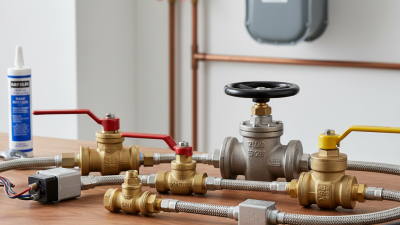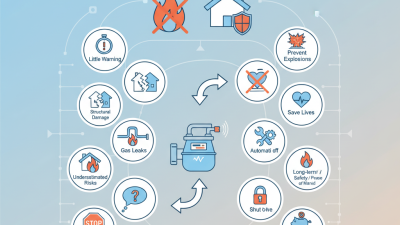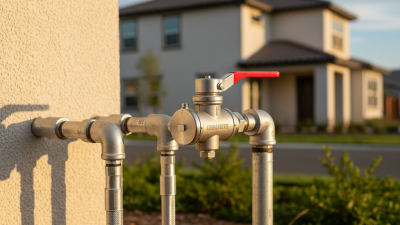
In areas prone to seismic activity, safety is a top concern. One effective measure to mitigate gas-related hazards during earthquakes is the earthquake gas shut off valve. This device automatically stops gas flow when shaking is detected, providing crucial protection for homes and businesses. In addition to preventing potential leaks, these valves significantly reduce the risk of fires triggered by gas line ruptures.
However, many people remain unaware of their numerous benefits. The installation of an earthquake gas shut off valve not only enhances safety but also offers peace of mind. It is essential to recognize that not all systems are equal. Proper installation and maintenance are key factors. While these valves are reliable, they can fail if not adequately checked.
Educating ourselves about the importance of these valves can make a significant difference. Preparation is crucial for disaster scenarios. With appropriate measures in place, communities can minimize damage and save lives. Embracing this innovative safety mechanism is a step toward a safer future for everyone.
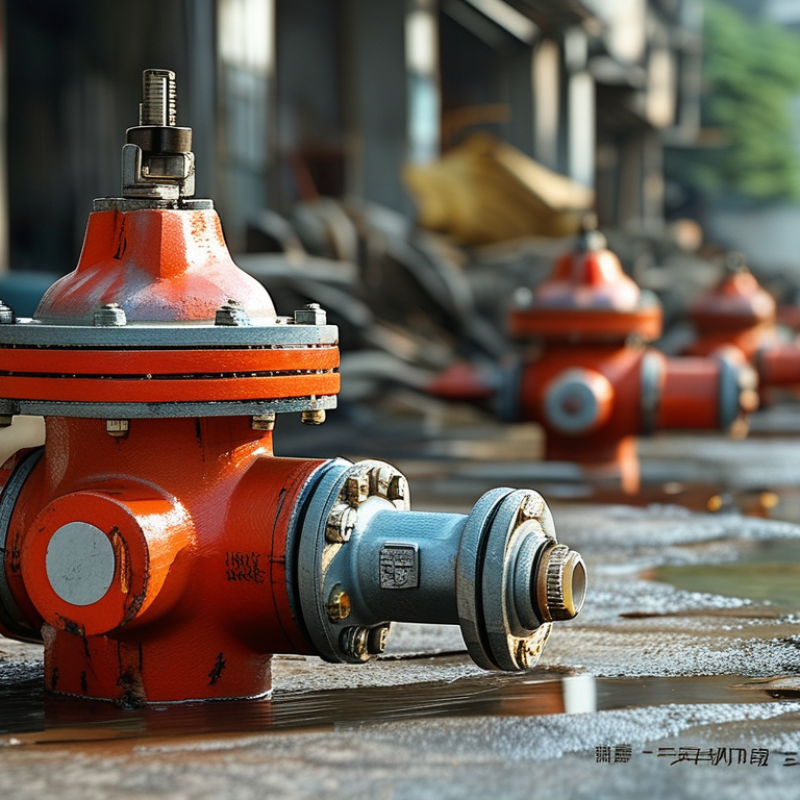
Earthquake gas shut-off valves are critical devices designed to ensure safety during seismic events. These valves automatically close the gas supply when a tremor is detected, preventing potential gas leaks and avoiding disastrous fires or explosions. Knowledge about these valves is essential for homeowners in earthquake-prone areas.
One important tip is to check the location of your gas shut-off valve. Ensuring easy access is crucial during emergencies. You might overlook its importance until a quake happens. Regular maintenance is also necessary, as dust and debris can render the valve ineffective. Familiarize yourself with how it operates.
Another aspect to consider is the installation process. Hiring a qualified professional is vital, as an improperly installed valve may not work during a crisis. Always ask questions and understand the installation steps taken. The effectiveness of these valves relies on correct implementation. Awareness and education about earthquake safety measures should not be underestimated.
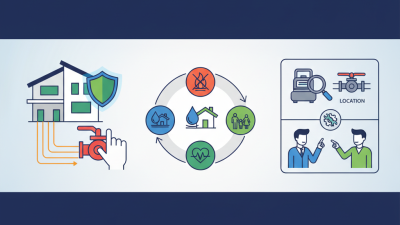
Earthquake gas shut off valves are crucial devices designed for safety during seismic events. Their operation is simple yet effective. When ground shaking exceeds a certain level, these valves automatically close. This prevents gas leaks, minimizing the risk of explosion or fire. Many homes can benefit from installing these valves, adding a layer of protection that is often overlooked.
These valves contain a weighted mechanism that reacts to tremors. If an earthquake occurs, the weight shifts and triggers the valve to shut off the gas supply. This action can occur in seconds, potentially saving lives. However, users must regularly inspect these valves to ensure functionality. Over time, wear and tear could hinder their effectiveness. Understanding the mechanics of gas shut off valves enhances safety awareness.
While they provide important safety measures, reliance on them should not mean neglect of other safety protocols. Homeowners should also consider retrofitting their homes to withstand seismic activity. Being proactive in safety measures is essential. In an unpredictable world, every precaution counts.
Gas shut-off valves are essential for safety during earthquakes. They automatically shut off gas supply when shaking is detected, reducing fire risks. According to the U.S. Geological Survey, a major earthquake can lead to thousands of gas leaks, creating hazards in urban areas. Installing these valves can significantly mitigate such dangers.
In 2019, studies indicated that homes with shut-off valves experienced 30% fewer gas-related incidents post-earthquake. This highlights their effectiveness in protecting lives and property. Furthermore, they provide peace of mind to homeowners. Knowing your gas supply will turn off in an emergency is invaluable.
Tip: Regular maintenance of shut-off valves ensures they function correctly when needed. Check them during annual safety inspections. Remember, a small investment in these safety devices can save lives and prevent costly damages. Consider consulting with local experts for installation and compliance with safety standards.
Earthquake gas shut-off valves play a crucial role in protecting homes and lives during seismic events. These devices automatically stop the flow of gas when an earthquake occurs, reducing the risk of fires and explosions. By acting quickly, they mitigate potential damage to property and ensure the safety of occupants.
If you are considering installing a gas shut-off valve, think about a few important tips. Choose a valve that meets local safety standards. Ensure it is installed by a certified professional to guarantee reliability. Regular maintenance checks are essential to keep the valve in optimal working condition.
While these valves provide significant safety benefits, it's important to recognize their limitations. They do not prevent earthquakes, nor do they guarantee complete protection from all gas leaks. Homeowners should remain proactive by implementing additional safety measures, such as an emergency response plan. Being prepared can enhance overall safety and ensure swift action if an earthquake occurs.
Gas shut off valves are crucial for safety during an earthquake. However, many homeowners overlook their maintenance. Regular inspection can prevent malfunctions that might lead to gas leaks.
Inspecting gas shut off valves should be a routine task. Check for signs of wear or corrosion. Ensure the valve operates smoothly when engaged or disengaged. Even minor rust can lead to serious issues. If you notice anything unusual, it's wise to consult a professional. They can provide insights that laypeople might miss.
Maintenance records are essential. Keeping detailed logs helps track inspections and repairs. This practice boosts reliability and trust in the system. Yet, many people neglect this documentation. A simple checklist can enhance accountability. Ensure you review these records periodically. Regular maintenance can save lives.
| Benefit | Description | Impact |
|---|---|---|
| Automatic Shutdown | Automatically cuts off gas supply during an earthquake. | Prevents gas leaks and fires. |
| Increased Safety | Enhances safety for residents and property. | Reduces the risk of catastrophic incidents. |
| Peace of Mind | Provides reassurance that safety mechanisms are in place. | Boosts confidence in home safety. |
| Cost-Effective | Reduces long-term repair costs from gas explosions. | Saves on insurance and emergency services. |
| Low Maintenance | Requires minimal upkeep after installation. | Long-lasting safety solution. |
| Quick Response | Instantaneous reaction to seismic activity. | Immediate risk mitigation. |
| Compliance with Regulations | Meets local safety and building codes. | Ensures legal safety standards are upheld. |
| Enhanced Property Value | Increases home value with added safety features. | Attracts potential buyers. |
| Environmentally Friendly | Helps to prevent environmental disasters caused by gas leaks. | Protects local ecosystems. |
| User-Friendly | Simple to operate and understand for all homeowners. | Encourages proactive safety measures. |
© Copyright 2025 | LittleFirefighter.com | All Rights Reserved | 1EZ Creative: Orange County Web Design

Fusce ut ipsum tincidunt, porta nisl sollicitudin, vulputate nunc. Cras commodo leo ac nunc convallis ets efficitur.

12345 North Main Street,
New York, NY 555555
1.800.555.6789
sale@vibrotools.com