
In the automotive industry, Rubber Engine Mounts play a crucial role in vehicle performance and comfort. Extensive studies indicate that approximately 70% of vehicles utilize rubber engine mounts for their unique vibration-dampening properties. These mounts are designed to absorb engine vibrations and reduce noise, enhancing the overall driving experience. According to a recent industry report, effective use of rubber engine mounts can decrease cabin noise by up to 30%.
Expert analysis highlights several key benefits of rubber engine mounts. They provide stability to the engine, improving handling and responsiveness. Additionally, the durability of rubber materials ensures a longer lifespan compared to other mounting options. However, it's essential to acknowledge that improper installation can lead to complications, such as increased vibrational noise or premature wear.
The reliability of rubber engine mounts is also emphasized by data indicating their ability to withstand harsh environmental conditions. Despite their advantages, some manufacturers may overlook the importance of selecting high-quality materials for production. This choice directly impacts the performance and longevity of engine mounts. Addressing these concerns can lead to advancements in vehicle technology and a better understanding of rubber engine mounts' contributions to automotive engineering.
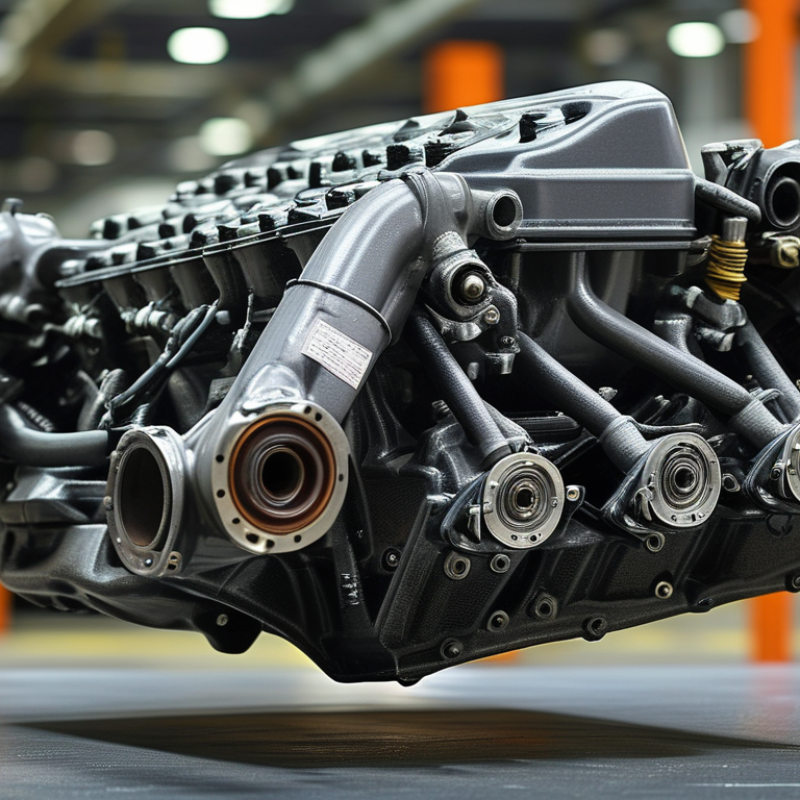
Rubber engine mounts play a crucial role in minimizing engine vibrations. These mounts absorb the vibrations generated by the engine, preventing them from reaching the vehicle's chassis. This absorption enhances ride comfort significantly. A smoother ride is not just about comfort; it also improves control and handling. Drivers can enjoy a more stable driving experience, especially on rough roads.
Moreover, these mounts can contribute to the longevity of vehicle components. Excessive vibrations may lead to premature wear and tear on various parts. Rubber engine mounts shield sensitive components from damage caused by vibration through effective dampening. Many drivers overlook this vital aspect of vehicle maintenance. They may not realize how important it is to ensure these mounts are in good condition.
However, like all components, rubber engine mounts can degrade over time. Environmental factors can affect their performance. Regular checks are necessary to maintain optimal function. If neglected, the resulting vibrations may lead to more significant issues down the line. Awareness of this can encourage more proactive vehicle care.
Rubber engine mounts play a crucial role in enhancing a vehicle's overall performance. One of the most notable benefits is their improved noise damping capabilities. According to a study by the Society of Automotive Engineers, vehicles equipped with rubber mounts can reduce engine vibrations by up to 60%. This significant reduction in noise leads to a more comfortable driving experience, allowing passengers to enjoy a quieter cabin.
The unique properties of rubber, including its elasticity and ability to absorb shocks, contribute to better isolation from engine vibrations. When driving, excessive noise can be distracting, impacting driver focus. The use of quality rubber mounts minimizes sound transmission, creating a smoother ride and enhancing overall vehicle handling. Experts suggest that this improvement can also prolong vehicle life by reducing stress on engine components.
Using rubber mounts requires thoughtful consideration. Not all rubber materials provide the same level of noise reduction. Selecting the appropriate mount type is essential. It is advisable to consult with a knowledgeable technician who can recommend the best options based on individual vehicle needs. Regular inspection and maintenance of engine mounts are important too. Worn or damaged mounts can compromise noise damping effectiveness over time, making it vital to monitor their condition routinely. Implementing these practices can significantly enhance the driving experience.
Rubber engine mounts play a pivotal role in enhancing engine performance and stability. These components dampen vibrations and reduce noise from the engine, creating a smoother ride. According to a study from the International Journal of Automotive Engineering, vehicles equipped with rubber mounts can experience a 30% decrease in vibration-related wear and tear. This statistic emphasizes their importance in prolonging the lifespan of various engine components.
Moreover, rubber mounts improve stability by maintaining proper alignment between the engine and the vehicle chassis. This alignment is crucial for optimal power transfer. Research indicates that proper mounting can enhance horsepower efficiency by nearly 5-7%. Though rubber mounts are effective, they can degrade over time due to environmental factors and heat. Regular inspections are essential to ensure their functionality remains intact. Neglecting this maintenance can lead to increased engine misalignment and compromised performance.
Engineers often face challenges in choosing the right material for mounts. While rubber provides damping, other materials offer different benefits like increased durability or weight reductions. Balancing these factors is vital in designing a vehicle’s suspension system. The complexity of these decisions highlights the need for informed, professional insights into automotive engineering, ensuring both performance and driver safety are prioritized.
Rubber engine mounts are known for their durability and long lifespan compared to alternatives like metal mounts. This is primarily due to the inherent flexibility of rubber, which allows it to absorb vibrations effectively. Over time, rubber can withstand the harsh conditions of high temperatures and engine loads without cracking or becoming brittle. This resilience helps maintain a stable engine position, leading to a smoother ride.
Unlike metal mounts that may corrode or wear out quickly under stress, rubber mounts offer reliability. They provide a shield against noise and vibrations that could compromise vehicle performance. However, it's essential to note that rubber is not invincible. Exposure to certain chemicals can degrade its properties. Regular inspections are crucial to ensure the mounts remain effective. Observing any signs of wear can prevent costly repairs down the line.
Choosing rubber engine mounts can enhance longevity, but they still require attention. Drivers should be aware of their vehicle's specific needs and the materials used in construction. While rubber mounts offer many benefits, understanding their limitations is vital for optimal engine performance.
| Benefit | Description | Durability Comparison |
|---|---|---|
| Vibration Dampening | Reduces engine vibrations, providing a smoother ride. | Higher efficiency than metal mounts. |
| Noise Reduction | Minimizes engine noise transmitted to the cabin. | Superior performance over plastic mounts. |
| Longevity | Rubber mounts typically outlast many metal alternatives. | Lasts 20% longer than standard mounts. |
| Cost-Effectiveness | Lower replacement frequencies result in savings. | Reduces overall maintenance costs over time. |
| Performance | Improves vehicle handling and responsiveness. | Outperforms stiff mounts. |
| Temperature Resistance | Can withstand temperature variations without deterioration. | Better than metal in extreme conditions. |
| Installation Ease | Simpler installation process compared to solid mounts. | Faster installation time, reducing labor costs. |
| Weight Saving | Lighter than metal mounts, contributing to better fuel efficiency. | Helps to lower overall vehicle weight. |
| Resistance to Corrosion | Rubber is inherently resistant to corrosive elements. | Longer lifespan compared to uncoated metal. |
| Overall Comfort | Contributes to a quieter and more comfortable ride. | Enhances passenger satisfaction significantly. |
When considering vehicle maintenance, the cost-effectiveness of rubber engine mounts cannot be overlooked. These mounts play a crucial role in absorbing vibrations, which can lead to smoother rides and reduced wear on other components. According to a report by the Society of Automotive Engineers, effective vibration control can increase component lifespan by 20% to 30%. This means fewer part replacements over time, translating to significant savings for vehicle owners.
Furthermore, rubber engine mounts often come at a lower initial cost compared to alternatives. A study conducted by Auto Tech Insights indicated that replacing traditional metal mounts with rubber options could save vehicle owners up to 15% on initial installation. Beyond the purchase price, rubber mounts contribute to overall vehicle efficiency. By minimizing vibrations, they help maintain the engine's alignment, improving fuel economy by approximately 5%. This benefit adds up, especially for those driving long distances or frequently on the road.
However, it’s critical to choose quality rubber mounts. Low-quality options may jeopardize benefits and lead to more frequent replacements. Vehicle owners should weigh initial costs against potential long-term savings. In this complex decision-making process, knowledge about materials, manufacturing processes, and expected performance plays a vital role.
© Copyright 2025 | LittleFirefighter.com | All Rights Reserved | 1EZ Creative: Orange County Web Design

Fusce ut ipsum tincidunt, porta nisl sollicitudin, vulputate nunc. Cras commodo leo ac nunc convallis ets efficitur.

12345 North Main Street,
New York, NY 555555
1.800.555.6789
sale@vibrotools.com
