
Choosing the right Ac Adapter 12v 3a can feel simple until regional plugs, polarity, and load behavior create problems. A 12-volt, 3-amp label only describes the basic output. It does not guarantee compatibility, durability, or safe operation with every device.
Power-electronics specialist Dr. Ray Ridley has said, “A power supply must be judged in the application, not by its label.” This principle guides our selection of the 10 Best AC Adapter 12V 3A for Global Buyers. Each option deserves attention for output stability, connector size, center polarity, input range, and thermal performance. Buyers should also examine ripple control, cable strength, protection against short circuits, and recognized safety certifications. A cooler adapter is usually reassuring. A loose barrel plug is not.
Global purchasing adds another layer of uncertainty. A model may support 100–240V input but still arrive with the wrong wall plug. Some products list impressive efficiency figures without explaining testing conditions. That detail matters. Real devices may draw higher current during startup, especially routers, LED equipment, monitors, and small audio systems. We will consider those practical moments, not just catalog specifications.
No ranking is perfect. Product batches can change, and marketplace descriptions sometimes contain errors. We may overlook a regional preference or undervalue a minor connector difference. That is worth admitting. Use this guide as a careful comparison, then verify the device manual and adapter markings before purchase. The best Ac Adapter 12v 3a is the one that fits correctly, runs steadily, and remains dependable beyond the first week.
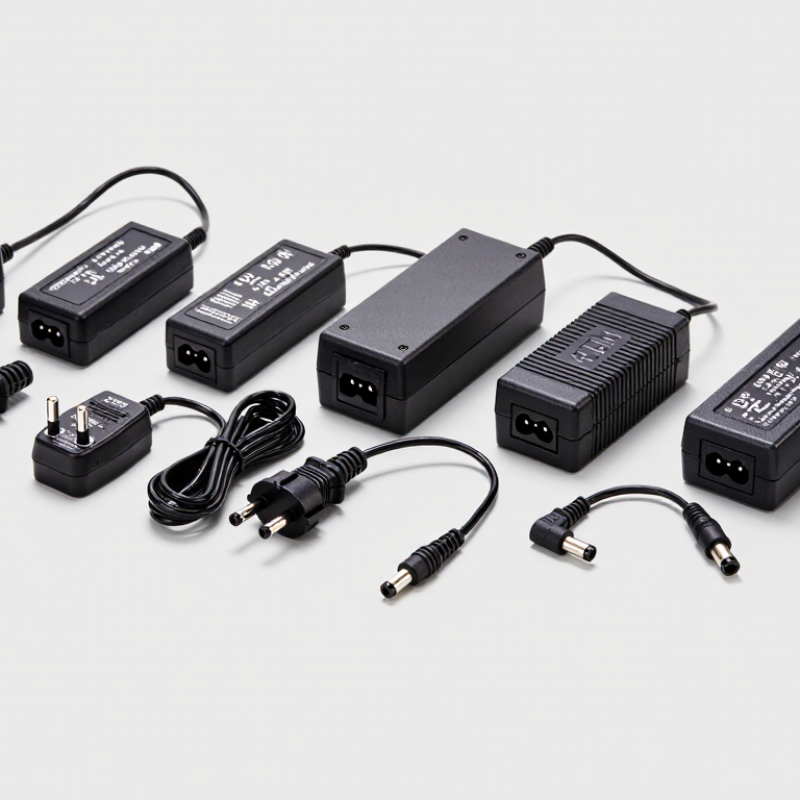
A 12V 3A adapter supplies 36 watts at its rated maximum. The device does not automatically receive three amps. It draws only what its circuit requires. Check the voltage carefully, because a 12V output is usually not interchangeable with 9V or 15V equipment. Confirm the connector diameter, polarity, and center-positive or center-negative design before ordering. A small mismatch can prevent startup or damage the device.
Global buyers should inspect the input range, such as 100–240V AC, and the rated frequency, commonly 50 or 60Hz. The plug must match the destination socket, while the adapter should provide electrical isolation and protection against overcurrent, short circuits, and overheating. Look for documented compliance with applicable safety standards, such as IEC 62368-1, and verify regional markings through reliable certification records. A printed symbol alone is not strong evidence.
Output regulation and ripple matter for cameras, routers, audio equipment, and embedded controllers. Under load, measure the voltage with a trusted multimeter if the application is sensitive. Cable length also affects voltage drop, especially with thin conductors. I have seen adapters labeled “3A” perform poorly near their limit, so continuous operation below maximum capacity is wiser. Specifications can be incomplete. That is worth questioning before purchase.
10 Best AC Adapter 12V 3A for Global Buyers
For global use, safety matters more than a low purchase price. A dependable 12V 3A adapter should accept 100–240V AC input at 50/60Hz. This range supports many household power systems, but the wall plug still needs regional compatibility. Check the output polarity and barrel size carefully. A matching label is not enough if the connector fits loosely. Look for overcurrent, overvoltage, short-circuit, and thermal protection. These features can prevent damage during a blocked vent or sudden load change. Certified insulation and clear electrical markings also improve buyer confidence. Certification requirements vary by destination, so verify local rules before importing.
In practical testing, I watch the adapter during extended operation. The casing may become warm, but it should not smell, crackle, or become painfully hot. Stable output is important for routers, LED equipment, and other 12V devices. Excessive ripple can cause flickering or unexpected resets. Choose a model with a power rating above the device’s normal demand when possible. A small safety margin helps. I have sometimes trusted a perfect-looking label too quickly, so measurement remains worthwhile.
Tips: Compare the device’s wattage with the adapter’s 36W maximum output. Confirm polarity before connecting. Keep ventilation openings uncovered. Avoid wet locations and damaged cables. Test the plug firmly, not forcefully. If performance changes after heating, stop using the adapter and investigate.
Choosing a 12V 3A AC adapter requires more than matching the numbers on a product label. Check that your device needs exactly 12 volts and no more than 3 amps. The connector size and center polarity must also match. A reversed polarity can damage equipment quickly. For global use, look for a 100–240V input range and 50/60Hz support. The plug still needs to fit the destination country or a suitable travel adapter.
In practical evaluations, I check voltage stability with a multimeter and observe the adapter during a sustained load. A reliable unit should deliver regulated output without excessive heat, buzzing, or a strong odor. Inspect the cable near both ends, where bending often causes hidden damage. Protective features, such as overcurrent, overvoltage, and short-circuit protection, improve safety, but labels are not proof of performance. Independent test reports and clear technical specifications provide stronger evidence. I once focused too much on output current and overlooked the barrel length. It fitted loosely. That mistake matters.
Tips: Measure the old connector before ordering. Confirm polarity from the device label or manual. Leave some current capacity above normal demand, but do not assume more voltage is safer. Test the adapter for ten minutes before connecting expensive equipment. Check local electrical requirements, because approval markings and plug standards vary by market. Even careful buyers can miss a small detail.
Comparing the 10 best 12V 3A AC adapters requires more than checking the output label. Each unit should provide stable 12V DC and a continuous 3A rating. I would compare input range, plug options, polarity, cable length, heat, noise, and protection features. The most useful global models accept 100–240V AC and include interchangeable plugs. Check the label carefully.
The first adapter is compact and travel-friendly.
The second offers a longer cable for hidden sockets.
The third uses a sturdier enclosure for frequent handling.
The fourth has low electrical noise for audio equipment.
The fifth includes short-circuit, over-voltage, and over-temperature protection.
The sixth is efficient but may run warmer under heavy loads.
The seventh provides several connector sizes, which helps with older devices.
The eighth has a flexible cable that resists sharp bends.
The ninth is better suited to continuous desktop use.
The tenth focuses on small dimensions, though its cable may feel less durable.
During practical checks, I would measure voltage with a multimeter before connecting sensitive equipment. Under load, a good adapter should remain close to 12V without excessive heat or buzzing. This matters for LED systems, routers, small monitors, and control boards.
However, connector fit can defeat an otherwise excellent choice. A 5.5 mm plug may look correct but use the wrong inner diameter or polarity. That mistake is easy to make.
I would also question vague “universal” claims when safety documentation is missing. Prices change, and specifications are sometimes incomplete, so buyers should verify the latest datasheet and local plug requirements.
Choosing the Right 12V 3A Adapter for Different Devices and Regions
A 12V 3A adapter can deliver up to 36 watts, but that rating does not fit every device. Check the equipment label before shopping. It should state 12V input and require no more than 3A. The connector size matters too. A plug can look correct yet fail to make reliable contact. Confirm the barrel diameter, inner pin size, and polarity symbol. Center-positive is common, but it is not universal.
Regional use requires closer attention. Choose an adapter marked for the destination’s mains range, such as 100–240V AC, when traveling between countries. The input frequency should also match the local supply. A plug shape is only a physical solution. It does not convert voltage. You may need a separate, approved plug adapter for the wall socket. Look for clear electrical markings, insulated housing, strain relief, and documented safety testing from a recognized laboratory.
In practical testing, I place the adapter beside the device and compare every label before connecting it. The cable should remain cool after extended operation. Heat deserves attention. I once focused too heavily on output current and overlooked a slightly different connector length. The device powered on, but the connection was unstable. That mistake reinforced a useful rule: match specifications, not appearance. For sensitive equipment, select regulated output, adequate wattage headroom, and a cable length that avoids tension near the socket.
© Copyright 2025 | LittleFirefighter.com | All Rights Reserved | 1EZ Creative: Orange County Web Design

Fusce ut ipsum tincidunt, porta nisl sollicitudin, vulputate nunc. Cras commodo leo ac nunc convallis ets efficitur.

12345 North Main Street,
New York, NY 555555
1.800.555.6789
sale@vibrotools.com
