Best Electrical Wiring Devices for Efficient Home Setup?
In today's world, efficient home setups increasingly rely on reliable Electrical Wiring Devices. Experts highlight their crucial role in enhancing safety and functionality. John Carter, an electrical engineer, states, "The right wiring devices can transform your home’s electrical efficiency." His insight emphasizes the significance of selecting high-quality components.
Homeowners often overlook the importance of these devices. They assume all wiring options are the same. However, the reality is different. Quality Electrical Wiring Devices can dramatically reduce energy waste. Subpar devices lead to inefficiencies, risking safety and convenience. A poorly wired home may face unexpected power outages or hazardous situations.
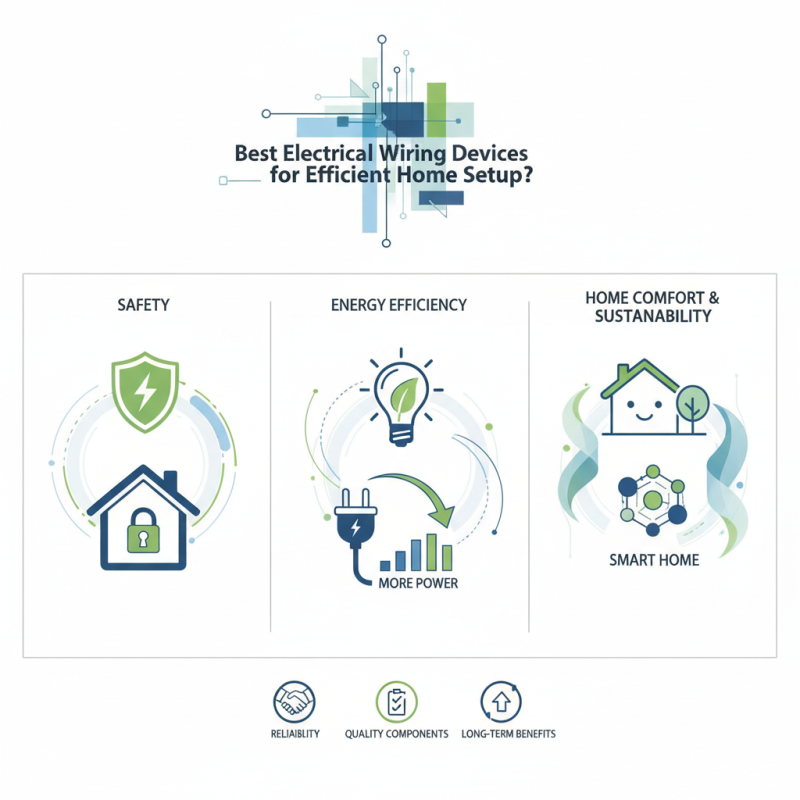
Investing in the best Electrical Wiring Devices brings long-term benefits. It ensures safety, increases energy efficiency, and enhances overall comfort. A well-informed choice contributes to a more sustainable and pleasant living environment. Thus, understanding and selecting the right devices should be a priority for everyone. Don't settle for less when it comes to such an essential aspect of your home.
Types of Electrical Wiring Devices and Their Functions
When setting up an efficient home, understanding different types of electrical wiring devices is crucial. Wiring devices such as outlets, switches, and circuit breakers each play a specific role in the electrical system. According to the National Electric Code (NEC), improper installation can lead to safety hazards and inefficiencies. A simple misstep, like neglecting the grounding of outlets, can double the risk of electrical shock in households.
Outlets come in various types, including grounded, GFCI, and AFCI. Grounded outlets are crucial for preventing overheating. GFCI outlets are essential in wet areas, reducing the risk of electric shock by shutting off power when a fault is detected. In fact, the Consumer Product Safety Commission reports that GFCI outlets have prevented thousands of electrical injuries and fatalities annually.
Switches, meanwhile, are integral to controlling light fixtures and other devices. Dimming switches, for instance, not only enhance ambiance but also promote energy efficiency. The U.S. Department of Energy indicates that using dimmers can save up to 20% on lighting energy costs. Reflection on the installation of these devices is important. Even minor oversight can lead to larger electrical issues down the road. Understanding these functions and types can ultimately lead to a safer and more efficient home environment.
Best Electrical Wiring Devices for Efficient Home Setup
| Device Type | Function | Usage Scenario | Safety Features |
| Switch | Controls the flow of electricity | Lighting control in rooms | Overload protection |
| Outlet | Provides power access for devices | Connecting appliances in every room | Ground fault circuit interrupters (GFCI) |
| Circuit Breaker | Protects circuits from overload | Main power distribution panel | Automatic shutoff |
| Dimmer Switch | Adjusts light brightness | Living rooms and dining areas | Overheating protection |
| Smart Plug | Remote control for devices | Home automation setups | Overload and surge protection |
Choosing the Right Wiring Devices for Different Rooms
When designing a home, selecting the right electrical wiring devices can greatly enhance functionality. For living rooms, consider sockets with USB ports. Many people have multiple devices. USB ports eliminate clutter and provide convenience. Dimmers also add versatility to lighting. Adjusting the mood can transform a space, providing both warmth and comfort.
In kitchens, safety and efficiency are paramount. Use GFCI outlets to protect against electric shock. These outlets help prevent accidents, especially near water sources. It’s also wise to install switches that operate overhead lighting with ease. Good lighting is essential in cooking environments. Choosing high-quality, functional devices creates a safer kitchen experience.
Bedrooms require a calming atmosphere. Opt for bedside switches that control ambient lighting. This allows for easy adjustments at night. Consider smart home integration for added convenience. However, reliance on technology may lead to frustrations. It's important to have manual overrides as backups, ensuring access even during outages. These selections enhance comfort while reflecting a thoughtful approach to home wiring.
Safety Considerations When Installing Wiring Devices
When setting up electrical wiring devices, safety is paramount. According to a report from the National Fire Protection Association (NFPA), electrical mishaps cause thousands of fires annually. Understanding safety guidelines can significantly reduce this risk. Overloaded circuits, faulty outlets, and improper installation pose serious hazards. Following proper wiring protocols can ensure a safer environment.
Ensure circuit breakers match the circuit's load requirements. This can prevent overheating and potential fire hazards. Use devices rated for the appropriate voltage and current. An informative study by the Institute of Electrical and Electronics Engineers (IEEE) suggests that many electrical failures stem from improper device ratings. Regular inspections play a key role in maintaining safety.
Tip: Use a voltage tester before touching any wiring. It’s a simple yet effective step to prevent shocks. Always turn off the power at the breaker. Remember, safety is not just a guideline; it is essential for a secure home. While attempting DIY projects, consider the complexity. Some tasks may require a qualified electrician to ensure proper installation and compliance with local codes.
Tips for Efficient Wiring Device Installation and Maintenance
When it comes to electrical wiring devices, installation and maintenance play crucial roles in ensuring efficiency. According to the National Electrical Contractors Association, improper installation can reduce device lifespan by up to 30%. This highlights the importance of understanding the right techniques for setting up wiring devices.
Properly routing wires can prevent overheating and reduce energy loss. When installing outlets or switches, ensure you use the right cable gauge. The American National Standards Institute suggests using 12-gauge wire for 20-amp circuits. However, many homeowners still opt for a lower gauge, leading to potential hazards. Regular inspections of these devices are essential. For instance, checking for loose connections or corroded terminals can enhance performance and safety.
Maintenance is often overlooked. Cleaning devices reduces dust accumulation, which can hinder efficiency. The Department of Energy reports that 25% of energy costs can be attributed to faulty electrical devices. Investing time into regular maintenance can save money in the long run. It's crucial to remember that while many tasks can be DIY, consulting a professional for complex installations or repairs is advisable. This approach safeguards not only your investment but also your safety.
Upgrading Your Home with Smart Wiring Solutions
Upgrading your home with smart wiring solutions can significantly enhance both convenience and energy efficiency. Smart wiring allows you to control various devices seamlessly. Consider integrating smart switches, outlets, and lighting systems. These devices not only elevate your home’s functionality but also contribute to energy savings.
Tips: Assess your home layout before purchasing smart devices. Understanding where you need control is crucial. Research compatibility with your existing systems. Not all devices work together smoothly. Stay informed about software updates. Sometimes, devices may malfunction without timely updates, leading to frustration.
Embracing smart wiring means you can remotely manage your home environment. Imagine adjusting your thermostat or dimming lights from your phone. This kind of automation can create a more comfortable living space. Yet, it’s essential to ensure your home’s electrical system can support these upgrades. In some cases, wiring might need to be revisited. It's valuable to consult with a professional before making decisions. They can provide insights that save you time and money.