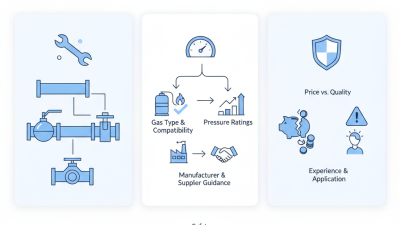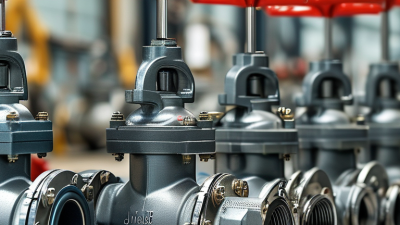
Choosing the best natural gas shut off valve in China requires more than comparing price, material, or factory location. The valve must match the pipeline’s pressure, temperature, gas composition, connection type, and emergency requirements. A polished product photograph proves very little. Field performance matters more.
The International Energy Agency’s Gas 2024 report identifies Asia, particularly China, as a major driver of natural gas demand growth. This expansion increases the need for dependable isolation equipment across city-gas networks, industrial plants, commercial kitchens, and residential supply systems. The IEA’s Global Gas Security Review 2024 also stresses infrastructure resilience and rapid response during supply disruptions. These findings make shutoff reliability a safety priority, not a purchasing detail.
A suitable natural gas shut off valve should provide positive closure, low leakage, corrosion resistance, and clear position indication. Buyers should also verify pressure ratings, tested cycle life, fire-safety performance, and compatibility with applicable Chinese standards. GB, ISO, or other certifications should be checked against the actual model, not merely the supplier’s brochure. That distinction is easy to overlook.
Manufacturing experience matters. A factory with traceable materials, pressure-testing records, batch control, and documented inspection procedures offers stronger evidence than a low quotation alone. However, no single valve suits every installation. A compact brass valve may work well in a household branch line, while a heavy-duty ball valve may be more appropriate for an industrial station. This article compares leading Chinese options through technical specifications, certification evidence, operating conditions, and practical maintenance concerns. The goal is not to declare a perfect winner, but to identify the safest and most defensible choice for each application.
What Is the Best Natural Gas Shut Off Valve in China?
Types of Natural Gas Shut Off Valves Available in China
China offers several natural gas shut off valve types for homes, commercial kitchens, pipelines, and industrial stations. Manual ball valves are common because they close quickly and provide clear handle positioning. Plug valves suit some distribution systems, especially where compact installation matters. Butterfly valves are lighter for larger pipelines, but their sealing performance needs careful inspection. They are not ideal for every low-pressure household connection.
Automatic emergency shut-off valves use solenoids, thermal triggers, or excess-flow protection. They can stop gas after a fire signal, abnormal flow, or power-controlled command. China’s GB 50028 gas engineering code remains an important design reference, while EN 331 offers useful requirements for manually operated gas valves. Selection should also check pressure class, connection method, temperature range, and local conformity documents. Small details matter.
The National Bureau of Statistics reported China’s apparent natural gas consumption at 394.5 billion cubic metres in 2023. That scale increases the need for dependable isolation equipment. The IEA’s Gas 2024 report also identifies China as a major driver of future gas-demand growth. Still, demand data cannot identify the best valve. Site conditions must decide that. A strong-looking valve may have weak threads or unsuitable seals. That is an easy mistake. Inspectors should verify shutoff torque, leakage results, installation direction, and maintenance access before approval. Manufacturers should provide test records, but records alone are not enough. Field verification remains necessary.

What Is the Best Natural Gas Shut Off Valve in China?
The safest valve is not selected by price alone. It must match gas type, pressure, temperature, pipe material, and installation conditions. China’s GB 50028 gas design code provides the basic framework for urban gas systems. GB/T 12224 covers general requirements for industrial steel valves, while GB/T 13927 specifies pressure testing methods. These standards help verify strength, leakage control, and operational reliability.
A strong evaluation begins with material inspection. The body should resist corrosion, and internal sealing parts must remain stable after repeated opening and closing. Pressure tests should include the shell and seat. Engineers should also check shutoff torque, stem alignment, thread quality, and emergency accessibility. A valve that closes smoothly in a workshop may behave differently beside a dusty meter cabinet. Small installation errors matter.
Leakage deserves serious attention. The International Energy Agency reported about 120 million tonnes of methane emissions from fossil fuel operations in 2023. Even a small valve leak contributes to a larger safety and climate problem. ISO 15848 can guide fugitive-emission testing, although it does not replace local approval requirements. In practice, certificates are useful, but they are not the whole answer. I would request batch records, test reports, and sample-based reinspection. One weakness remains: many buyers compare specifications, but overlook maintenance access. A reliable valve must be safe to isolate, inspect, and replace under real site conditions.
| Evaluation Dimension | Recommended Benchmark | Relevant Technical Data | Why It Matters for Natural Gas | Verification Method |
|---|---|---|---|---|
| Valve Configuration | Quarter-turn ball valve for manual isolation; automatic emergency shut-off valve where required by the risk assessment | Manual ball valves generally operate through approximately 90°; automatic valves require a defined closing action and reset method | Fast operation and clear open/closed positioning reduce response time during a gas leak or fire | Inspect the operating angle, position indicator, accessibility, and emergency-reset instructions |
| Nominal Size and Flow Passage | Select the same nominal pipe size unless a calculated pressure-drop assessment justifies a reduction | Common nominal sizes include DN15, DN20, DN25, DN32, DN40, and DN50; full-port designs have a bore close to the connected pipe inside diameter | A suitable flow passage helps limit pressure loss and supports stable appliance operation | Compare the valve data sheet with pipe size, design flow rate, allowable pressure drop, and connection dimensions |
| Pressure Rating | Working pressure rating must be at least equal to the maximum design pressure of the gas system | PN16 indicates a nominal pressure class of 1.6 MPa under the applicable rating conditions; actual allowable pressure depends on temperature, material, and standard | The valve must withstand normal operation, regulator failure scenarios, and applicable pressure-test conditions | Check the permanent marking, pressure-temperature rating chart, design pressure, and test certificate |
| Body and End-Cap Material | Gas-compatible brass, stainless steel, ductile iron, or carbon steel selected according to pressure, environment, and installation location | Material grade, wall thickness, corrosion allowance, and temperature range must be documented by the manufacturer | Material failure or corrosion can cause loss of containment and ignition risk | Review material certificates, corrosion protection, casting or forging records, and compatibility with natural gas |
| Sealing Material | Gas-compatible PTFE, reinforced PTFE, elastomer, or other qualified sealing material | The seal must remain suitable across the specified temperature, pressure, gas composition, and service life | Incompatible seals may swell, harden, creep, or leak after prolonged exposure | Request seal material identification, operating limits, compatibility data, and replacement guidance |
| Internal and External Leakage | No visible leakage during the specified seat and shell tests; external stem leakage must remain within the applicable standard limit | ISO 5208 Rate A is commonly used for a zero-visible-leakage seat-test criterion where applicable | Even a small natural-gas leak can create a combustible atmosphere in an enclosed area | Review pressure-test records and perform approved leak detection after installation |
| Pressure Testing | Shell, seat, and operational tests completed according to the applicable product standard | GB/T 13927 and ISO 5208 are recognized references for valve pressure-testing procedures, subject to product scope and contract requirements | Testing confirms pressure boundary integrity and shut-off performance before service | Confirm test medium, test pressure, holding time, acceptance criteria, date, and traceable inspection records |
| Gas-Installation Compliance | Product and installation should comply with the applicable Chinese gas-engineering, product, and building requirements | GB 50028 provides design requirements for city gas engineering; product requirements may also involve applicable GB/T or CJ/T standards | Compliance depends on the installation type, pressure level, location, connection method, and local authority requirements | Verify the current standard edition, certificate scope, installation instructions, and local project requirements |
| Connection Type | Use a connection that matches the pipe system and approved installation method | Common options include threaded, flanged, welded, and compression connections; dimensions and thread form must match exactly | Incorrect thread form, poor alignment, or unsuitable joining methods can cause leakage and mechanical stress | Check connection dimensions, thread designation, gasket requirements, torque limits, and installation clearances |
| Fire-Safe and Anti-Static Features | Consider fire-safe construction and anti-static design for higher-risk industrial or process applications | Fire-safe performance is typically verified through a dedicated qualification test; anti-static continuity is checked by a specified resistance test | These features can reduce secondary ignition or leakage risks during fire exposure or operation | Request the relevant test report and confirm that the tested design matches the supplied valve |
| Temperature Range | The rated temperature range must cover the minimum and maximum site temperatures | Exact limits depend on body, seat, stem-seal, and actuator materials; do not use a generic temperature value without the rating chart | Low temperatures can embrittle materials, while high temperatures can degrade seals and increase leakage | Compare the product rating chart with indoor, outdoor, buried, and process-area conditions |
| Actuation and Fail-Safe Function | For emergency isolation, define whether the valve must fail closed, fail open, or remain in position | Electric, pneumatic, or spring-return actuators require compatible power, signal, torque, cycle, and hazardous-area specifications | The correct fail position helps limit gas release when power, air supply, or control signals are lost | Test loss-of-power action, manual override, alarm signal, reset procedure, and actuator torque margin |
| Traceability and Marking | Permanent identification and complete manufacturing records | Markings should normally identify size, pressure rating, body material, flow direction where relevant, and manufacturing or batch traceability | Traceability supports inspection, maintenance, recall control, and replacement with an equivalent product | Match valve markings with the purchase order, inspection plan, material certificates, and test reports |
| Maintenance and Service Life | Use a valve with documented operating cycles, spare-seal availability, and inspection intervals | Cycle life varies with pressure, temperature, media cleanliness, actuator load, and operating frequency; a universal service-life number is not valid | Preventive inspection helps detect stiff operation, corrosion, seal deterioration, and external leakage | Review maintenance instructions and establish periodic visual, functional, and leak inspections |
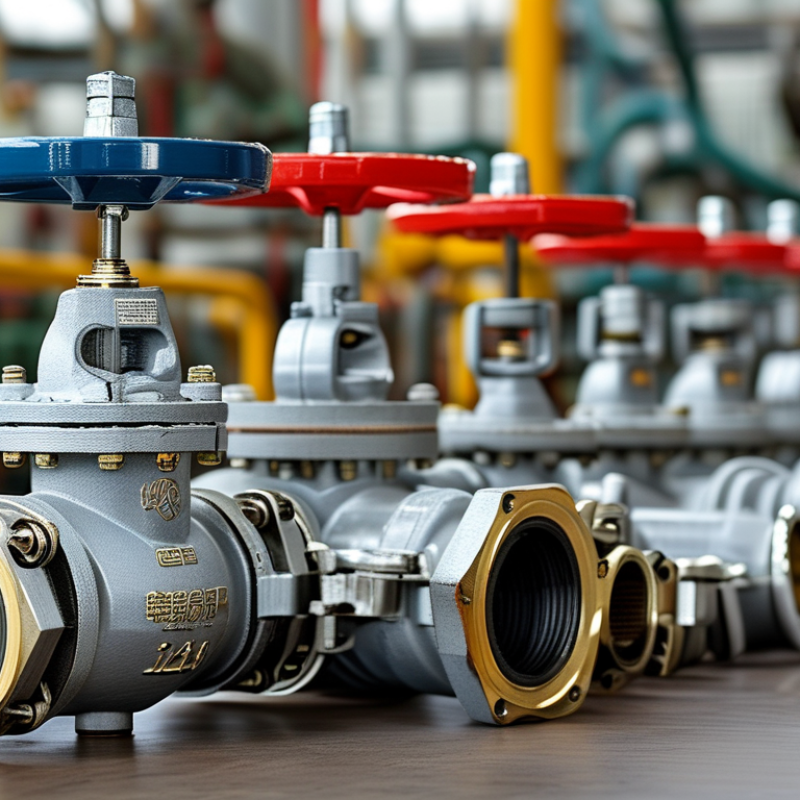
The best natural gas shut off valve combines safe materials, simple operation, and consistent factory control. Brass is common because it resists corrosion and supports reliable threaded connections. Stainless steel suits harsher environments, especially where moisture or chemicals may weaken ordinary metal. The valve body should feel solid, with clean threads and no casting cracks. A quarter-turn handle also gives fast visual confirmation during an emergency.
Design details matter. A full-port passage can reduce pressure loss in properly designed systems. Durable sealing materials must match the gas, temperature, and expected service life. Stem protection helps prevent accidental movement. Quality manufacturers use pressure testing, leak testing, material checks, and batch traceability before shipment. These records are important evidence, not decoration. However, no design is perfect. Poor installation can still cause leakage, even when the valve meets strong production standards.
Tips: Ask for test reports, material certificates, and clear installation instructions. Check whether the valve fits your pipe size and connection standard. Confirm the handle moves smoothly without excessive force. I would also inspect packaging carefully, because damaged threads can create problems later. Independent inspection may be worthwhile for large projects. Always have qualified professionals install and test gas equipment according to applicable local requirements.
Choosing the best natural gas shut-off valve in China starts with the application, not the catalog photo. A household cooker needs compact size, clear flow direction, and an easy-to-turn handle. A boiler room may require higher pressure ratings, heat resistance, and rapid emergency isolation. Outdoor service adds weather, dust, and corrosion concerns. There is no universal best valve.
Check the gas type, operating pressure, temperature, pipe size, and connection method before selecting materials. Brass or stainless steel may suit different environments, but compatibility must be confirmed. Threaded connections can simplify maintenance, while welded or flanged designs may support larger systems. For commercial kitchens, choose a valve that remains accessible after installation. A hidden handle is a practical failure. Request pressure test records, traceable material information, and applicable Chinese compliance documentation.
For industrial gas equipment, consider automatic shutoff, sensor integration, actuator response, and safe failure behavior. Manual valves still matter during inspection and power loss. Qualified personnel should complete installation according to the approved design. Afterward, inspect joints with suitable leak-detection methods, not guesswork. Maintenance schedules should reflect usage, vibration, and exposure. I would review the selection after the first service period. A valve can meet specifications yet prove awkward, slow, or poorly positioned. Field experience sometimes corrects the original design.
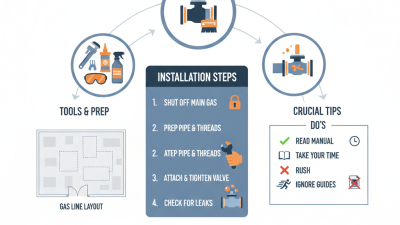
The best natural gas shut-off valve in China is not chosen by price alone. It must match the gas type, pressure, pipe material, temperature, and installation location. China’s GB 55009-2021 requires gas engineering systems to include reliable safety controls and accessible shut-off arrangements. Installers should confirm the valve’s pressure rating and flow direction before connection. Threads must remain clean. Sealant should never enter the valve body.
Inspection must be practical and documented. Check the valve handle, joints, support, and surrounding pipe for corrosion, movement, or odor. A leak test should use approved detection equipment, not an open flame. The IEA’s Global Methane Tracker 2024 estimated about 120 million tonnes of methane emissions from fossil fuel operations in 2023. This figure shows why small leaks deserve serious attention. Local inspection schedules may differ, so qualified technicians should follow current Chinese codes and utility procedures. A weak point remains human error.
Tips: Keep the valve reachable. Label its function clearly. Test operation without forcing the handle. Record inspection dates, pressure readings, and repairs. During maintenance, isolate the gas supply and verify zero pressure with suitable instruments. Replace damaged seals or stiff valves rather than improvising repairs. NFPA 54 also emphasizes accessible shutoff devices and leak testing after installation or alteration. These practices support safer commissioning, but they cannot replace site-specific engineering review.
© Copyright 2025 | LittleFirefighter.com | All Rights Reserved | 1EZ Creative: Orange County Web Design

Fusce ut ipsum tincidunt, porta nisl sollicitudin, vulputate nunc. Cras commodo leo ac nunc convallis ets efficitur.

12345 North Main Street,
New York, NY 555555
1.800.555.6789
sale@vibrotools.com