
Choosing reliable China Petrol Chain Saw suppliers requires more than comparing factory prices. Global buyers must examine engine performance, safety controls, production consistency, spare-parts support, and export experience. A polished website proves little. The real evidence appears in test reports, sample inspections, packaging details, and clear technical communication.
Li Wei, an independent power-equipment sourcing consultant with experience in Chinese manufacturing, says, “A dependable chainsaw is not defined by its price; it is defined by stable performance after repeated work.” This view matters when evaluating suppliers for forestry, landscaping, farm maintenance, and professional cutting applications. Buyers should check displacement, power output, guide-bar options, chain-brake response, vibration control, fuel-system design, and emissions documentation. Small details often decide long-term satisfaction.
Look closely.
A strong supplier should explain its quality-control process without vague promises. Ask how cylinders are tested, how carburetors are adjusted, and whether every unit receives a functional inspection before shipment. Request traceable samples, updated manuals, and realistic warranty terms. A supplier that answers slowly may still produce good equipment, but unclear communication creates avoidable risk.
This guide reviews China Petrol Chain Saw suppliers from a practical buyer’s perspective. It considers manufacturing capability, product reliability, certifications, customization, delivery coordination, and after-sales support. Some conclusions may remain imperfect because factory conditions and export policies change. That uncertainty deserves attention. The lowest quotation can become expensive when chains, ignition parts, or technical support are difficult to obtain. Experienced buyers compare the entire ownership journey, not only the first invoice.
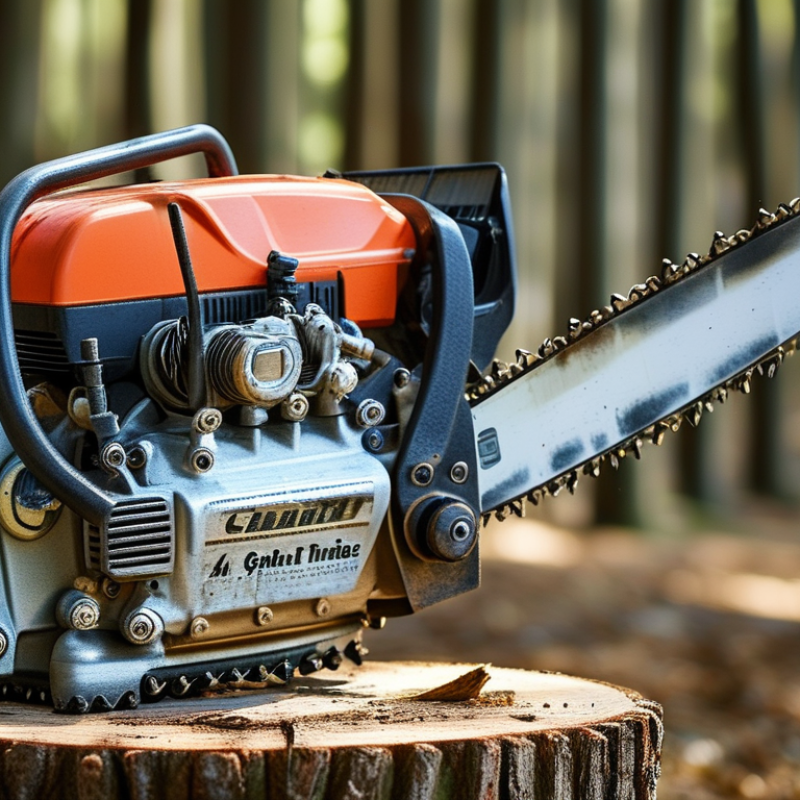
China’s petrol chainsaw manufacturing industry has developed around dense supplier networks, skilled metalworking, and export-oriented production. Many factories combine engine assembly, guide-bar fitting, plastic molding, and final testing onsite. This structure can shorten lead times and simplify quality communication. It does not guarantee consistent performance. Buyers should inspect crankcase machining, carburetor tuning, chain-brake response, and vibration levels. Ask for production records, not only polished samples. A sample can hide weak batch control.
Experienced manufacturers usually explain engine displacement, power output, fuel consumption, and maintenance needs clearly. They should provide traceable inspection data for every production batch. Reliable factories also test cold starts, idle stability, chain lubrication, and load performance. Independent verification remains valuable for first-time orders. Technical files should match the physical product. Sometimes, small details are missed. A loose fastener, uneven throttle response, or poorly packed spare part can create costly field complaints. Buyers should review applicable safety, emissions, labeling, and import requirements before signing contracts.
Tips: Visit the factory when possible, or arrange a live video audit. Compare several samples from one batch. Check manuals, spare-part availability, warranty procedures, and response times. Request a written agreement covering tolerances, testing, packaging, and corrective actions. Do not select suppliers by price alone. A lower quote may reflect thinner materials or limited after-sales support. Ask operators about actual maintenance issues. Their feedback is often more useful than sales claims.
Choosing Chinese petrol chainsaw suppliers requires more than comparing prices and catalog photos. Examine factory experience, production capacity, and export records for similar equipment. A reliable supplier should provide clear engine specifications, noise data, fuel consumption figures, and safety instructions. Vague answers deserve caution.
Request a working sample before discussing large orders. Check cold starting, chain braking, vibration, oil delivery, and cutting performance on real timber. Inspect the air filter housing and starter rope closely. Small weaknesses often appear there. Ask for batch inspection records, material details, and traceable serial numbers. Independent testing can reveal issues that factory videos hide.
Supplier evaluation should also include compliance documents for your destination market. Confirm emissions requirements, packaging rules, warranty terms, and spare-part availability in writing. Ask how quickly they can replace carburetors, chains, guide bars, and ignition components. A factory visit may show organized assembly, but one visit cannot prove long-term consistency. I would compare several production batches, not just one impressive sample. Low prices can be useful, yet unstable quality may cost more through returns, delays, and customer complaints. Reliable communication matters too: technical questions should receive precise answers, not polished promises.
China’s petrol chainsaw supply base includes original equipment factories, contract manufacturers, and export-focused trading companies. Factory suppliers usually offer deeper customization, while trading companies may combine several product ranges. This can help buyers compare quickly. It can also make technical responsibility less clear.
Common product categories include compact pruning saws, homeowner models, and professional forestry saws. Typical choices range from 25 cc to over 60 cc engines. Bar lengths often span 10 to 24 inches. Buyers should match engine power with timber size, working hours, and operator experience.
A dependable supplier should provide test records, parts lists, instruction manuals, and destination-market compliance documents. Ask for production samples before placing a large order. Check fuel leakage, idle stability, chain alignment, and brake response during inspection.
Packaging should protect the bar and starter assembly from impact. Spare chains, filters, plugs, and recoil starters also deserve clear pricing.
A polished catalog can still hide weak quality control. I would not rely on photographs alone.
Factory audits, batch traceability, and written warranty terms create stronger evidence.
Some buyers overlook service training, which later becomes an expensive mistake.
Global buyers comparing China’s top petrol chain saw suppliers should verify evidence, not promises. Ask for the factory’s legal registration, quality management records, and recent production photos. A polished certificate proves little by itself. Check the certificate number with the issuing organization. Confirm the factory name, address, scope, and expiry date.
Request test reports for chain braking, vibration, noise, fuel leakage, and emissions. These reports should identify the exact model and test date. A random sample may also reveal assembly problems. Inspect the chain tensioner, clutch cover, fuel tank, and emergency brake. Small details matter. Ask for a pre-shipment inspection by an independent agency. Record the serial numbers and carton labels.
Market requirements vary by destination. Ask suppliers which safety, emissions, labeling, and documentation rules apply to your country. Confirm whether required conformity documents cover the selected engine and configuration. Manuals should include warnings, maintenance intervals, spare-part diagrams, and clear translations. One mistake is trusting a certificate copied from another model. I learned this late. Check the details.
A serious supplier should provide traceable batch records and explain corrective actions after failures. Speak with the quality manager, not only a sales representative. Request evidence of calibration for torque tools and emission testing equipment. Numbers matter. If answers remain vague, pause the order and compare another factory. Even a careful buyer can miss hidden changes in materials or subcontracted parts. Keep written records of every approval, sample revision, and agreed specification.
Selecting a Chinese petrol chain saw supplier requires more than comparing unit prices. Ask for engine displacement, bar options, fuel ratio, noise data, and intended cutting conditions. Request current specifications and a sample before placing a larger order. In practical procurement, small specification gaps can create major field complaints. Check production capacity, inspection records, export experience, and communication speed. Clear questions reveal more than polished catalogs. Still, a sample may not represent every batch. That risk needs a written inspection plan.
Confirm packaging, carton strength, pallet dimensions, and spare-part quantities before payment. Shipping documents should match the order exactly, including model numbers and quantities. Agree on trade terms, shipment schedules, insurance responsibilities, and port arrangements in writing. Buyers must verify destination requirements for emissions, labeling, noise, and machinery safety. Customs delays can damage seasonal sales. A cheaper freight option may become expensive after storage charges. I have learned that delivery estimates are often too optimistic, especially during busy shipping periods.
After-sales support should be measured before the order is finalized. Ask how quickly technical questions receive answers and whether troubleshooting can use photos or video. A useful agreement lists warranty coverage, excluded damage, replacement procedures, and available wear parts. Suppliers should provide manuals, maintenance schedules, and clear assembly guidance. Training materials matter when the end user is inexperienced. One weakness in many purchasing plans is ignoring local repair capability. A realistic spare-parts list can prevent long equipment downtime. Even a careful supplier cannot solve every field problem remotely.
| Evaluation Dimension | Typical Market Range or Requirement | What Global Buyers Should Confirm | Recommended Purchasing Evidence |
|---|---|---|---|
| Engine Displacement | Common petrol models: 25–72 cc | Match displacement to the intended use: pruning, firewood cutting, farm maintenance, or professional forestry. | Technical datasheetEngine test report |
| Rated Power | Approximately 0.8–4.0 kW, depending on engine size and configuration | Check whether the stated power is measured as maximum output or rated continuous output, and request the applicable test standard. | Power curveTest method |
| Guide Bar and Chain Options | Typical guide-bar lengths: 10–28 in | Confirm chain pitch, gauge, sprocket specification, replacement availability, and compatibility with the target market. | Parts listBar-chain compatibility chart |
| Minimum Order Quantity | Often 50–500 units for standard export orders; custom packaging may require more | Ask whether the quantity applies per model, per color, per packaging design, or per shipment. | Formal quotationMOQ schedule |
| Sample Ordering | Usually 1–3 units for evaluation; sample and freight charges are commonly payable in advance | Confirm whether the sample uses production tooling and whether the sample charge can be credited against a later bulk order. | Sample invoicePre-production checklist |
| Bulk Production Lead Time | Approximately 25–60 days after deposit and specification approval | Separate component procurement time, assembly time, inspection time, and export-document preparation time. | Production scheduleMilestone dates |
| Payment Terms | A 20%–40% deposit with the balance due before shipment is common for new buyers | Negotiate payment timing against inspection approval and clearly define bank charges, currency, and refund conditions. | Proforma invoiceSales contract |
| Trade Terms | FOB, FCA, CIF, and DAP are frequently used, depending on shipment size and buyer capability | Ensure the quotation states the named place, transfer of risk, export clearance responsibility, and included local charges. | Incoterms 2020 quotationCost breakdown |
| Packaging | Individual cartons with protective inserts; palletization depends on destination and carrier requirements | Verify carton dimensions, gross weight, stacking limits, moisture protection, dangerous-goods markings, and barcode requirements. | Packing specificationCarton artwork |
| Container Planning | A 20-foot container commonly carries fewer units than a 40-foot container; actual loading depends on carton size and pallet use | Request a loading plan rather than relying only on estimated container quantities. | Container loading diagramFinal carton list |
| Shipping Documents | Commercial invoice, packing list, transport document, and certificate of origin are commonly required | Check destination-country customs rules, product classification, importer details, and document consistency before dispatch. | Document checklistDraft shipping set |
| Product Compliance | Requirements vary by destination; engine-emission, machinery-safety, noise, labeling, and packaging rules may apply | Confirm the exact regulation for the destination market instead of accepting generic compliance claims. | Declaration of conformityLaboratory reportsUser manual |
| Pre-Shipment Inspection | AQL-based or buyer-defined inspection is commonly arranged before final payment | Inspect starting performance, idle stability, chain-brake operation, oil delivery, fuel leakage, labeling, and accessories. | Inspection reportPhotographic record |
| Warranty Coverage | Common commercial warranty periods range from 6–12 months, subject to usage and maintenance conditions | Define covered parts, exclusions, labor responsibility, claim deadlines, and whether shipping costs are reimbursed. | Written warranty policyClaim form |
| Spare Parts Support | Frequently requested parts include chains, guide bars, sprockets, air filters, fuel filters, starter assemblies, and carburetor components | Purchase a recommended spare-parts package and obtain exploded diagrams with part numbers. | Parts catalogueRecommended stock list |
| After-Sales Response | A practical service target is an initial response within 1–2 business days | Confirm the communication channel, technical contact, escalation process, and expected resolution time for urgent failures. | Service-level agreementSupport contact list |
| Replacement Parts Availability | Buyers should seek a documented availability period of at least 3–5 years for core service parts | Ask which parts are stocked, standard replenishment lead time, minimum parts order, and shipping method. | Parts availability statementReplenishment schedule |
| Technical Documentation | English user manual, maintenance schedule, safety instructions, parts diagram, and troubleshooting guide should be available | Require destination-market language, accurate torque and fuel-mixture information, and clear safety warnings. | Manual sampleMaintenance chart |
| Supplier Verification | Review business registration, export history, factory capability, quality system, and independent inspection results | Verify that the contracting entity, manufacturing location, bank account, and product documentation are consistent. | Factory auditBusiness documentsReference checks |
| Total Landed Cost | Purchase price is only one component; add inland freight, ocean or air freight, insurance, duties, taxes, inspection, and local delivery | Compare suppliers using the same specification, Incoterm, destination, quantity, and customs assumptions. | Landed-cost modelFreight quotation |
© Copyright 2025 | LittleFirefighter.com | All Rights Reserved | 1EZ Creative: Orange County Web Design

Fusce ut ipsum tincidunt, porta nisl sollicitudin, vulputate nunc. Cras commodo leo ac nunc convallis ets efficitur.

12345 North Main Street,
New York, NY 555555
1.800.555.6789
sale@vibrotools.com
