
Choosing a steel casting supplier is rarely a simple price comparison. A pump housing, valve body, or mining-machine component must withstand real loads, temperature changes, and long service cycles. Small differences in alloy selection, mold design, or inspection can affect performance after installation. Steel Castings buyers therefore need evidence, not just polished catalog images.
This guide introduces ten Chinese manufacturers for global buyers to investigate. It outlines the capabilities that matter, including casting processes, material options, machining support, quality controls, and experience with export orders. A supplier may offer sand casting, investment casting, or other methods; the right fit depends on part geometry, production volume, and required tolerances. Ask for relevant drawings, inspection records, and examples of comparable components. Details matter.
Company profiles can help narrow the field, but they cannot replace direct technical review. Confirm current certifications and production capacity with each manufacturer, since these can change. Discuss sample approval, dimensional inspection, packaging, and delivery expectations before placing an order. A clear quotation should specify material grades, testing scope, and what is included in the price. Even then, questions may remain. Buyers should compare documented capabilities against their own specifications, rather than treating a top-ten list as a guaranteed ranking. This practical approach can make supplier evaluation more reliable and help prevent costly misunderstandings.
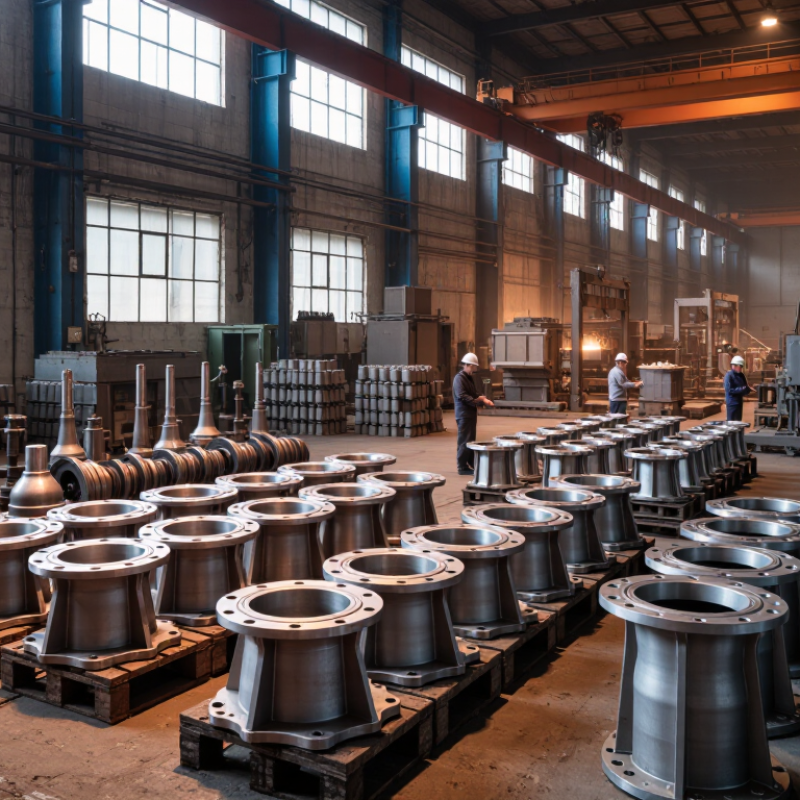
China’s steel casting industry sits at the center of global manufacturing supply chains. The World Steel Association reported 1.019 billion tonnes of crude steel production in China in 2023. That represented about 54% of global output. This scale supports reliable access to steel grades, foundry materials, machining services, and heat-treatment capacity.
For global buyers, the advantage is not only price. Many Chinese foundries coordinate pattern making, melting, pouring, heat treatment, machining, and nondestructive testing in one production network. A casting may begin with a digital drawing, then move through wax or sand tooling, controlled pouring, and ultrasonic inspection. These linked steps can shorten procurement cycles for mining, energy, transport, and heavy equipment projects. UN Comtrade data also places China among the leading exporters in HS 7325, covering other cast articles of iron or steel.
Quality still requires active buyer involvement. A polished inspection report is not enough. Buyers should review melt chemistry, furnace records, radiographic standards, dimensional reports, and traceability numbers. The International Organization for Standardization identifies ISO 9001 and ISO 3834 as useful quality references for production control and welding-related processes. Yet certificates cannot replace process audits. Some suppliers remain strong in large structural castings but weaker in thin sections or complex internal passages. This is where assumptions fail. Clear drawings, realistic tolerances, staged inspections, and sample approval reduce that risk. The supply chain is capable, but it is not automatic.
Industry and sourcing reference. This table presents verifiable standards and buyer evaluation points, not a company ranking; no company names or brands are included.
| No. | Data Dimension | Factual Reference | Relevance to Global Buyers |
|---|---|---|---|
| 1 | Carbon steel pressure castings | ASTM A216/A216M covers carbon steel castings for pressure-containing parts suitable for fusion welding; specified grades include WCA, WCB, and WCC. | Useful when sourcing cast components for pressure service. Confirm the required grade and product specification with the supplier and design authority. |
| 2 | Alloy steel pressure castings | ASTM A217/A217M covers martensitic stainless and alloy steel castings for pressure-containing parts, including service at elevated temperatures. | Buyers should specify the grade, heat-treatment condition, and applicable inspection requirements for the intended operating conditions. |
| 3 | Low-temperature steel castings | ASTM A352/A352M covers ferritic and martensitic steel castings intended for pressure-containing parts at low temperatures. | Check that the specified grade and impact-test requirements match the minimum design temperature and relevant project code. |
| 4 | Castings for pressure service | ASTM A487/A487M covers steel castings suitable for pressure service and specifies multiple classes with different requirements. | The purchase order should state the required class and any supplementary tests or acceptance criteria. |
| 5 | European pressure-equipment supply | EN 10213 specifies technical delivery conditions for steel castings for pressure purposes. | For projects using European specifications, confirm the applicable edition, material designation, and inspection documentation before ordering. |
| 6 | Ultrasonic examination | ASTM A609/A609M provides procedures for ultrasonic examination of carbon, low-alloy, and martensitic stainless steel castings. | Specify examination extent, acceptance criteria, reporting format, and any required approval of the inspection procedure. |
| 7 | Quality management system | ISO 9001 sets requirements for a quality management system; it is not a steel-casting product specification. | Verify certificate scope, validity, and issuing body, and separately define product-specific inspection and acceptance requirements. |
| 8 | Environmental management | ISO 14001 specifies requirements for an environmental management system; it does not certify the environmental performance of an individual casting. | Useful in supplier qualification and sustainability programs, but should be assessed alongside project-specific environmental and reporting requirements. |
| 9 | Casting process selection | Sand casting and investment casting are established processes for steel castings. Process suitability depends on part geometry, dimensions, material, tolerances, and production requirements. | Request a manufacturability review and confirm tooling, sample approval, dimensional inspection, and change-control arrangements. |
| 10 | Traceability and export documentation | Typical buyer documentation requirements may include material test reports, heat or lot identification, dimensional inspection results, and non-destructive examination records when specified by the contract. | Agree documentation, marking, packaging, shipping terms, and destination-market requirements before production to support cross-border delivery and receiving inspection. |
Standards and requirements can be revised. Confirm the current edition and the governing contract, jurisdiction, and project code before procurement.


© Copyright 2025 | LittleFirefighter.com | All Rights Reserved | 1EZ Creative: Orange County Web Design