
When selecting a ceramic mixer machine, careful consideration is crucial. The right mixer can enhance your workflow and improve product quality. However, many factors influence your decision-making process.
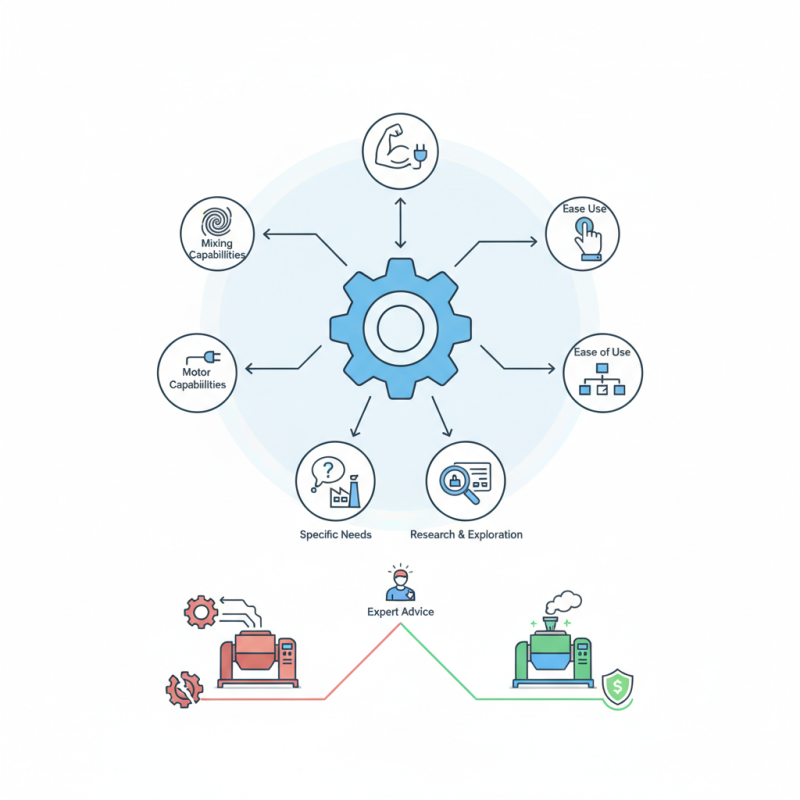
Different models offer various features. Mixing capabilities, motor power, and ease of use are essential. It's easy to get overwhelmed by options. Sometimes, focusing on your specific needs helps in making the right choice.
Choosing poorly can lead to inefficiencies. Reflect on your primary goals. Explore different machines, and consider seeking expert advice. A thoughtful approach is essential to ensure you invest wisely in your Ceramic Mixer Machine.
Ceramic mixer machines are essential in pottery and tile production. These machines blend raw materials thoroughly. Understanding their operation is crucial for effective use.
The composition of the mix varies greatly. For instance, clay, water, and additives should be properly combined. A good machine handles different volumes. Yet, not all mixers are created equal. Some struggle with dense materials, leading to inconsistent mixes. It’s important to choose a machine that matches your needs.
Pay attention to the motor's power. A robust motor accommodates dense mixtures better. However, higher power may lead to increased energy consumption. Always consider the trade-offs. The size of the mixer also matters. A compact device is great for small studios, but it may limit production. Larger mixers are more efficient but occupy significant space. Remember, the right choice reflects your specific requirements and workflow.
When selecting a ceramic mixer machine, a few key features can significantly impact your experience. The capacity of the mixer is crucial. Machines typically range from 5 to 50 liters. For small studios, a 10-liter mixer might suffice. Larger operations may need 30 liters or more. However, consider your workspace and budget. A machine too big can waste resources.
Mixer speed and efficiency matter as well. Higher RPMs can offer better mixing results. However, overly fast mixing can lead to air incorporation, which may weaken the final product. A balance is vital. Look for a model that allows speed adjustments for versatility.
Tips: Ensure the machine's construction is durable. Stainless steel offers longevity. Also, consider a mixer with removable attachments for easy cleaning. Maintenance is often overlooked. Regular checking can prevent costly breakdowns. Industry reports indicate that nearly 15% of mixer failures are due to neglect.
Remember to review noise levels, especially in shared spaces. Some mixers can be loud. A quieter option might be beneficial, despite potentially higher prices. Ultimately, matching the machine’s features with your specific needs will lead to greater satisfaction.
When selecting a ceramic mixer machine, understanding mixer capacity is crucial. The right size impacts efficiency and the quality of results. Smaller projects may require less capacity, while larger tasks need a more robust machine. Selecting the wrong size can lead to frustration and wasted materials.
Consider your project's scale. A smaller mixer might be easier to use, but it may struggle with volume. On the other hand, a larger machine is more powerful but can be cumbersome. Balance and practicality are key. You should observe how much material you'll need to mix at once, and how often you'll be using the machine.
Reflect on your workspace as well. A big mixer requires significant space, which might not be feasible for everyone. Power requirements also come into play. Ensure your setup can handle the machine's demands. If these details aren't aligned, you may face challenges in your mixing process.
| Mixer Model | Mixer Capacity (Liters) | Size (cm) | Weight (kg) | Power (W) |
|---|---|---|---|---|
| Model A | 20 | 60 x 40 x 30 | 25 | 1500 |
| Model B | 30 | 75 x 50 x 35 | 30 | 2000 |
| Model C | 15 | 50 x 35 x 25 | 20 | 1200 |
| Model D | 25 | 65 x 40 x 30 | 28 | 1800 |
| Model E | 40 | 80 x 55 x 40 | 35 | 2500 |
When choosing a ceramic mixer machine, it’s essential to understand the differences between types. Many mixing technologies exist, each suited for specific applications. For instance, paddle mixers offer efficient blending, making them suitable for clay mixtures. According to industry reports, paddle mixers can improve uniformity by up to 30% compared to other types.
On the other hand, planetary mixers provide more thorough mixing. They rotate in multiple directions, ensuring materials blend evenly. Industry data indicates that these mixers can reduce mixing time by 25%. However, they may not be as energy-efficient as paddle mixers. This is important to consider for cost management.
Another choice is the ribbon mixer, ideal for dry mixtures. They have a simple design but can sometimes result in uneven mixtures. Industry analysts note that the performance may degrade if the material is too wet. Proper assessment of each type's strengths and weaknesses will help align the right mixer with your ceramic processing needs.
When budgeting for a ceramic mixer machine, start by assessing your specific needs. Consider the volume of materials you will be mixing. A smaller mixer costs less but may not meet your demands if you have larger projects. Conversely, a high-capacity machine is an investment, and it’s crucial to evaluate if it aligns with your production plans.
Additionally, account for additional costs like maintenance and repairs. A cheaper machine may result in higher long-term expenses due to frequent breakdowns. Think about the accessories and attachments you might need. While they may seem like minor expenses, they can add up quickly. Reflect on whether a high-end machine is truly necessary. Sometimes, opting for mid-range equipment can fulfill your needs without breaking the bank. Balancing quality and cost is essential for getting the best value.
© Copyright 2025 | LittleFirefighter.com | All Rights Reserved | 1EZ Creative: Orange County Web Design

Fusce ut ipsum tincidunt, porta nisl sollicitudin, vulputate nunc. Cras commodo leo ac nunc convallis ets efficitur.

12345 North Main Street,
New York, NY 555555
1.800.555.6789
sale@vibrotools.com
