
Choosing the right CNG piston compressor is crucial for optimal performance. It affects efficiency and cost-effectiveness in various applications. Understanding your specific needs will help narrow down your options.
Different CNG piston compressors offer varying features. Some may focus on higher pressure, while others excel in energy efficiency. It's essential to evaluate the compressor's capacity and durability. Consider your setup and how the compressor fits into your operations.
Finding a reliable manufacturer is vital. Seek out brands with a proven track record in the industry. User reviews and expert recommendations can provide valuable insights. Remember, investing in quality will save you trouble in the long run. Make your choice wisely to ensure success.
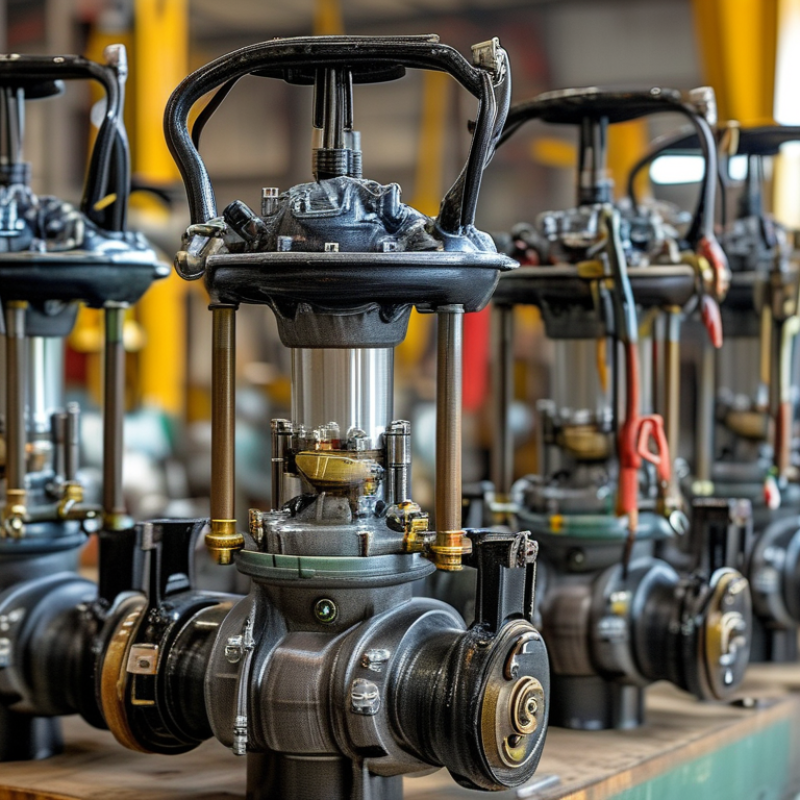
Understanding CNG piston compressors is critical for various applications, especially in natural gas transportation and industrial sectors. These compressors convert natural gas into a liquid state, making it easier to transport. According to a recent report by the Gas Technology Institute, the demand for CNG in transportation is expected to grow by 12% annually over the next five years. This trend highlights the relevance of efficient compressors in meeting energy needs sustainably.
When choosing a CNG piston compressor, consider the specific application. Factors include flow rate, pressure, and operational environment. Some compressors work better in high-pressure applications, while others may excel in efficiency at lower pressures. For example, industrial settings often require units that can handle continuous operation and varying loads. Make sure to assess operational needs carefully. A mismatch can lead to inefficiency and increased costs.
Monitoring maintenance practices is essential. Regular checks can prevent downtime and costly repairs. Listen for unusual sounds. They can indicate issues. Sometimes, data about performance can inform necessary adjustments. Engage with industry reports to remain updated. Knowing trends can guide future purchases or upgrades, ensuring your system stays competitive and reliable.
This chart illustrates the performance of various CNG piston compressor models, comparing their maximum pressure in psi and flow rate in CFM. Choosing the right compressor depends on the specific operational needs and pressure requirements.
Selecting the correct size for a CNG piston compressor is crucial for efficiency and performance. Compressors are often rated by their capacity to compress gas, typically measured in cubic feet per minute (CFM). Industry reports suggest that sizing a compressor too small can lead to operational bottlenecks. Conversely, an oversized unit may waste energy, increasing operational costs significantly. Find the balance based on your specific compressed natural gas (CNG) needs.
Consider your maximum flow requirements first. A detailed understanding of how much gas you need at peak demand is vital. For example, if your operation requires 300 CFM at peak, selecting a compressor rated for at least 350 CFM ensures you won’t experience shortages. Data from various industry studies indicate that 20% of organizations choose improperly sized compressors, leading to inefficiencies. Addressing this issue can enhance your system's reliability.
Another factor is the pressure rating of the compressor. Standard CNG applications often operate between 2,000 and 3,600 psi. It is recommended to evaluate your system's pressure requirements and consult technical specifications to ensure compatibility. Sizing mistakes can lead to increased wear on components, resulting in higher maintenance costs. Ultimately, careful consideration of these factors can lead to improved performance and longevity of your compressor system.
When selecting a CNG piston compressor, efficiency ratings play a crucial role. Recognizing how performance metrics are evaluated can guide your decision. Look for specifications such as volumetric efficiency, which indicates how effectively the compressor converts energy into usable compressed gas. A high volumetric efficiency means less energy wasted, leading to cost savings and improved performance.
Another vital metric is the compressor's reliability. Consider its maintenance requirements and operational longevity. Some compressors may show outstanding performance initially but require frequent repairs, ultimately leading to higher costs. Efficiency isn’t just about output; it’s also about minimizing downtime. Evaluating real-world performance data from trusted sources can provide insights.
Noise levels should not be overlooked either. Compressors that operate quietly enhance workplace safety and comfort. Understanding the decibel levels associated with your options is essential. Manufacturers often provide performance ratings, but those numbers can vary under different operating conditions. Thus, real user experiences and reviews can supplement your understanding. Balancing these factors will help you make an informed choice that aligns with your specific needs.
When considering the long-term operation of a CNG piston compressor, maintenance plays a crucial role. Regularly monitoring the compressor's performance can prevent costly failures. The U.S. Energy Information Administration reports that proper maintenance can extend equipment life by up to 30%. This statistic highlights the importance of a consistent maintenance schedule.
Routine checks should include inspecting seals, valves, and lubrication systems. These components are vital for optimal performance. Neglecting them can lead to inefficiencies. Unaddressed wear can escalate repairs. Clean air filters and proper cooling mechanisms also contribute to longevity. Dust and debris can diminish compressor efficiency. A clean environment can significantly enhance operation.
Consider implementing a maintenance log. Documenting repairs and inspections fosters accountability. It helps track any recurring issues. Additionally, train personnel on the specific needs of your equipment. Well-informed operators can spot potential problems early. Regular training sessions can lead to a more adept team.
Maintaining a sense of urgency in scheduling maintenance will help prevent breakdowns. An overlooked issue today may become a significant problem tomorrow. Prioritizing maintenance can keep your operation running smoothly. Balancing routine checks with hands-on training reinforces reliability and performance over time.
| Dimension | Recommended Value | Importance |
|---|---|---|
| Compression Ratio | 4:1 to 10:1 | High impact on efficiency |
| Capacity (Nm³/h) | 100 - 500 | Determines output flow rate |
| Power Requirement (kW) | 15 - 150 | Essential for operation |
| Cooling Type | Air or Water | Affects maintenance and efficiency |
| Lubrication Type | Oil-lubricated or Non-lubricated | Influences longevity and cost |
| Operating Temperature (°C) | -10 to 45 | Critical for performance |
| Maintenance Schedule | Monthly or Quarterly | Ensures reliability |
When considering a CNG piston compressor, cost analysis plays a vital role. Start by evaluating the initial purchase price. While cheaper models may save money upfront, they often lead to higher operational costs. This is due to inefficiencies in energy consumption and maintenance. Investing in a higher-quality compressor could reduce long-term expenses, providing a better return on investment (ROI).
Operational costs include energy, maintenance, and repairs. Research specifics like energy efficiency ratings. Some models consume less electricity, which can lead to significant savings. Maintenance frequency is another factor. Compressors that require less upkeep can offset their higher purchase price over time.
Reflect on your specific needs. Is the compressor for a small fleet or a large station? Capacity requirements affect pricing significantly. Also, consider potential future expansions in your analysis. Be cautious of low-cost options that may lack reliability or durability. It’s essential to strike a balance between upfront costs and long-term value.
© Copyright 2025 | LittleFirefighter.com | All Rights Reserved | 1EZ Creative: Orange County Web Design

Fusce ut ipsum tincidunt, porta nisl sollicitudin, vulputate nunc. Cras commodo leo ac nunc convallis ets efficitur.

12345 North Main Street,
New York, NY 555555
1.800.555.6789
sale@vibrotools.com
