Why Choose Small Neodymium Cylinder Magnets for Your Projects?
When embarking on various engineering and DIY projects, the choice of materials plays a crucial role. Among these, small neodymium cylinder magnets stand out for their unique properties. These magnets are not just tiny—they pack a significant magnetic punch. Their impressive strength allows for broader applications, from crafting to industrial uses.
Choosing small neodymium cylinder magnets can enhance efficiency and effectiveness in projects. However, their potency can also lead to challenges. For instance, handling these small but mighty magnets requires care. If not managed properly, they can snap together unexpectedly, causing harm or damage.
Many users find their size to be both an asset and a limitation. They fit well in compact spaces but may be difficult to manipulate. Despite these complexities, their reliability in various applications remains unquestioned. Ultimately, understanding the advantages and potential drawbacks of small neodymium cylinder magnets is essential for optimal project outcomes.
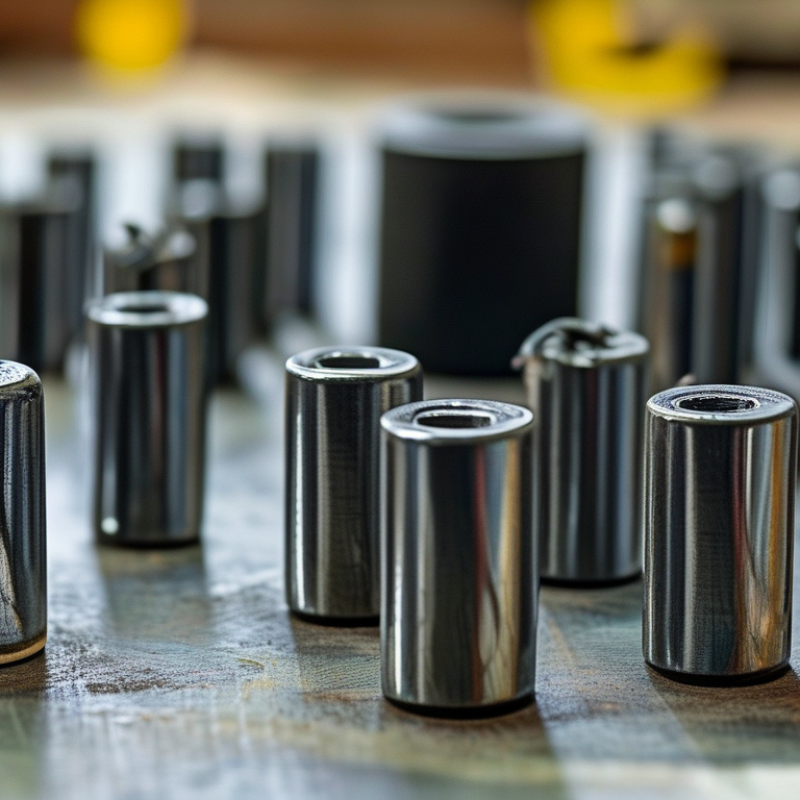
Advantages of Small Neodymium Cylinder Magnets in Projects
When considering small neodymium cylinder magnets, various advantages stand out for project applications. These magnets pack a remarkable amount of power into a compact size. Their high magnetic strength allows for effective use in limited spaces. This characteristic can significantly improve the efficiency of designs, whether in electronics, crafts, or mechanical assemblies.
Furthermore, the versatility of small neodymium cylinder magnets enables a wide range of uses. They can be easily integrated into various projects, from DIY crafts to industrial applications. Their durability against demagnetization adds to their reliability in long-term use. However, it is essential to handle them with care due to their powerful nature. Missteps in handling might lead to unexpected injuries or challenges in assembly.
The innovative potential of these magnets encourages creativity. They inspire new solutions in design and functionality. Nevertheless, it's important to assess every project’s requirements carefully. Over-reliance on the strength of these magnets can sometimes lead to complicated designs. Striking a balance between strength and practicality is key to achieving the best results.
Applications of Neodymium Magnets in Various Industries
Neodymium magnets, particularly small cylinder types, are highly effective in various industries. Their strong magnetic properties allow for compact solutions in applications like motor design and electronic devices. According to market reports, the global neodymium magnet market was valued at around $12 billion in 2022, highlighting their significance in manufacturing.
In the automotive industry, these magnets are vital for electric motors and sensors. They enhance motor efficiency, contributing to energy savings, crucial for sustainable practices. Additionally, the medical sector utilizes neodymium magnets for MRI machines and other diagnostic tools. This application requires precision and reliability in performance.
Some challenges exist. Supply chain disruptions can affect availability. Additionally, improper handling can lead to safety issues. Despite these concerns, the benefits of small neodymium cylinder magnets often outweigh the drawbacks, driving innovation across multiple sectors. Their potential is immense, but the industry must navigate these risks carefully for continued progress.
Factors to Consider When Selecting Neodymium Cylinder Magnets
When selecting small neodymium cylinder magnets for projects, several factors come into play. First, consider the magnet's size and strength. Smaller magnets can fit into tight spaces but may not provide the required force for certain applications. It's essential to balance size with the magnetic pull needed for your task.
Next, check the grade of the magnet. Higher grades indicate stronger magnets, while lower grades may be insufficient for demanding requirements. The coating or plating of the magnets can also influence their durability. A good coating prevents corrosion and extends the lifespan of the magnet, especially in challenging environments.
Additionally, think about the application context. Magnets used indoors might have different needs compared to those in outdoor environments. Temperature variations can affect magnet performance, making it crucial to evaluate the operating conditions. Mistakes in size or grade can lead to project failures, so careful consideration is vital. Each project may reveal unique challenges, demanding a thoughtful selection process for the best results.
Comparative Strength of Neodymium vs. Other Magnet Types
Choosing the right magnet for your project can profoundly impact its success. Neodymium magnets are often the preferred choice due to their impressive strength. When compared to other types, like ceramic or alnico, neodymium stands out. They possess a remarkable magnetic power relative to their size. For example, a small neodymium cylinder magnet can lift many times its weight. This feature is crucial for applications where space is limited.
However, it’s essential to acknowledge that not all magnets are created equal. Each type has a specific use case. While neodymium magnets are powerful, they can be brittle. This fragility may lead to breakage if mishandled. Ceramic magnets, on the other hand, are less powerful, yet they offer better durability. In low-stress applications, they might be a wiser choice. The balance between strength and durability is worth considering during the selection process.
Additionally, the environmental factors need attention. Neodymium magnets can lose their magnetism if exposed to heat. This occurrence is crucial for projects in varying temperatures. Understanding these differences makes for more informed choices. It’s beneficial to experiment with different types of magnets to find the best fit for your specific needs.
Why Choose Small Neodymium Cylinder Magnets for Your Projects? - Comparative Strength of Neodymium vs. Other Magnet Types
| Magnet Type | Magnetic Strength (N) | Weight (g) | Max Operating Temperature (°C) | Corrosion Resistance |
| Small Neodymium Cylinder | 50 | 5 | 80 | Yes |
| Ferrite Magnet | 15 | 10 | 250 | No |
| Alnico Magnet | 30 | 8 | 550 | Yes |
| Samarium Cobalt | 35 | 6 | 300 | Yes |
Best Practices for Using Small Neodymium Cylinder Magnets
When using small neodymium cylinder magnets, consider the environment in which they will be employed. These magnets can provide a strong hold, but they may also attract unwanted metal debris. It is essential to ensure the surrounding area is clear of metallic objects to prevent accidental adherence. Moreover, keep in mind that high temperatures can affect magnetic strength. Always check the guidelines for the specific temperature range of the magnets you are using.
Proper handling is crucial when working with small neodymium cylinder magnets. Their strength can be surprising, leading to pinch hazards when they snap together unexpectedly. It’s wise to wear protective gloves when manipulating them, especially in tight spaces. Additionally, these magnets can chip or break. Storing them properly in a padded container can prevent damage and ensure they remain effective.
Experimenting with the placement and orientation of the magnets can lead to better results in your projects. Sometimes, the simplest setup may not yield the best outcome. Don’t hesitate to adjust and test different configurations. Remember, trial and error is part of the creative process. Reflecting on your approach can lead to innovative uses for magnets in your work.