
Why Choose Aluminium Casement Doors and Windows?

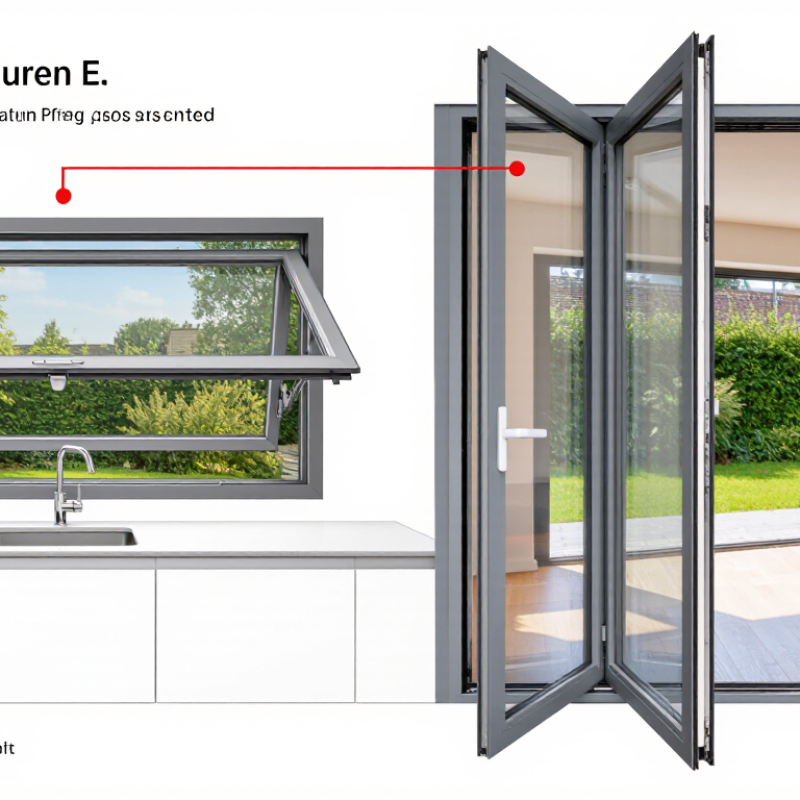
Aluminium casement door & windows can create a clean, open feel while making practical use of wall space. Their hinged sashes swing outward, allowing fresh air to move through a room and giving homeowners a clear view outside. Picture a kitchen window opened above the sink, or a patio door that connects the living area with the garden. Small details matter.

Aluminium is valued for its strength and slim frame profiles, which can support larger glass panes without bulky borders. It also resists rust and generally needs less upkeep than many traditional materials. A quick clean and occasional inspection of hinges, handles, and seals can help keep a unit working smoothly. But the frame alone does not determine comfort. Glazing, thermal breaks, weather seals, installation quality, and local climate all affect insulation and everyday performance.

That distinction is easy to overlook. A well-made frame may still feel disappointing if it is poorly fitted or paired with unsuitable glass. Aluminium can also transfer heat more readily than some alternatives when it lacks an effective thermal break. So, it is not automatically the right choice for every home or budget. This guide explores the design benefits, durability, energy considerations, and practical trade-offs of aluminium casement doors and windows. The aim is to help readers compare specifications carefully, ask installers useful questions, and choose features that suit their rooms—not simply follow a trend.
Why Choose Aluminium Casement Doors and Windows?

What Defines Aluminium Casement Doors and Windows

Aluminium casement doors and windows are defined by their side-hinged sashes, which swing open like a door. Most open outward, though the direction depends on the design and available space. A handle turns locking points along the frame, drawing the sash against weather seals. This creates a firm closure when the unit is correctly made and installed. Small details matter.

Aluminium allows relatively slim frame profiles, leaving more room for glass and daylight. For comfort, look for a thermal break: an insulating section that separates the inner and outer parts of the frame. Glazing, seals, drainage channels, and hardware also affect performance, so the frame material alone tells only part of the story. On a rainy site, poorly cleared drainage paths can contribute to water problems. A well-fitted unit should open smoothly, close evenly, and show no obvious gaps around its edges.

Before choosing a configuration, consider nearby walls, paths, and furniture; an outward-opening sash needs clearance. Check that hinges and locking points suit the sash size and weight. Aluminium is durable, but scratches can expose the finish and deserve prompt attention. Specifications are useful, yet installation quality can vary. That part is easy to overlook.

How Their Frames and Opening Mechanisms Work

An aluminium casement window or door opens on side-mounted hinges, like a small gate. A handle turns a locking system that draws the sash against the frame. On many units, several locking points compress the weather seals along the edges.

That tight contact helps limit drafts and rattling. The action should feel smooth, not forced.

The frame matters just as much. Aluminium is strong, so manufacturers can use relatively slim profiles while supporting broad glass panels. But metal also conducts heat readily. A thermal break—a non-metal section between the inner and outer frame—reduces that transfer.

The U.S. Department of Energy’s Energy Saver guidance estimates that heat gain and loss through windows account for about 25–30% of residential heating and cooling energy use. Actual results depend on glazing, frame design, installation, and climate.

Look closely at the corners, seals, and drainage slots. Water should drain outward, not collect in the frame. Check that the hinges carry the sash without sagging, especially on wide openings.

A slim frame is not automatically an efficient one. That distinction is easy to miss. I would also test the handle in person: a stiff mechanism can make an otherwise well-built unit frustrating to use.

Key Benefits of Aluminium Casement Designs

Aluminium casement designs pair slim, rigid frames with side-hinged sashes that open wide. That gives kitchens and living rooms useful ventilation, while narrow sightlines preserve daylight and views. When closed, the sash presses against perimeter seals, helping limit drafts if the window is correctly fitted. Thermal breaks matter: untreated aluminium conducts heat readily. Compare thermally broken frames using tested whole-window U-factor and solar heat gain coefficient, rather than judging by frame material alone. Small detail, big difference.

The U.S. Department of Energy links window heat gain and loss to 25–30% of home heating and cooling energy use. This figure covers windows broadly; it is not a guaranteed saving from casement designs. ENERGY STAR reports average energy-bill savings of 7–15% when households replace single-pane windows with certified models. Savings vary by home and climate. Treat that figure as a benchmark, not a promise. Check independent ratings, glass configuration, weatherstripping, and installation quality. A slim frame can still disappoint if hinges sag or seals are poorly adjusted. Maintenance is easy to overlook: clean tracks and inspect seals each season.

Energy Efficiency, Security, and Weather Resistance

Aluminium casement doors and windows can help reduce heat loss when their frames include thermal breaks and the glazing is chosen for the local climate. A tight seal around the sash limits draughts on windy days. Double glazing with low-emissivity coatings can also reduce heat transfer while admitting daylight. Details matter. Even a high-performance window may feel cold if it is poorly fitted or its seals have worn.

Security depends on more than the frame material. Look for sturdy hinges, reinforced locking points, and handles that operate smoothly without leaving gaps. Casement windows close firmly against their frames, which can make a secure fit easier to achieve. A lock is only useful when it is engaged, though. Regular checks can catch loose screws or stiff mechanisms before they become a problem.

For weather resistance, well-designed aluminium frames resist corrosion and do not swell like some materials when exposed to moisture. Gaskets, drainage channels, and careful installation help keep rain from entering around the opening. After heavy weather, inspect the seals and clear leaves from the drainage paths. Aluminium is not maintenance-free. That is easy to forget, especially when the surface still looks clean.

Why Choose Aluminium Casement Doors and Windows?

Thermal conductivity of common frame and glazing materials

Lower thermal conductivity means less heat is conducted through the material itself. Aluminium is strong and durable, but conducts heat readily; thermally broken frames help reduce heat transfer. Actual window energy performance also depends on glazing, frame design, seals, and installation. Values shown are approximate material-level figures, not whole-window ratings.

Choosing the Right Style for Different Buildings

Why Choose Aluminium Casement Doors and Windows?
Choosing the Right Style for Different Buildings

The right casement design should suit a building’s proportions, use, and surroundings. On a modern home, broad glazed panels can bring daylight into open living areas and connect them with a patio. Slim aluminium frames help keep the view clear. For a traditional façade, narrower sections or divided panes may feel more balanced. The details matter. Check the frame colour against brick, stone, or painted timber, preferably in changing daylight.

Commercial buildings often need durable, easy-to-operate openings in busy spaces. Consider how doors swing, where people walk, and whether furniture could block them. In exposed locations, ask a qualified installer about drainage, weather seals, and suitable hardware. These details affect comfort as much as appearance. There is no perfect style for every building. I’d still compare samples on site; photographs can make colours look surprisingly different.

Tips: Match opening size to the room, not just the elevation. Test handle reach and swing clearance before ordering. For older buildings, keep the original façade rhythm in view, even when choosing a cleaner frame. A small mismatch can stand out.

Article Source:

AVADA IT

Fusce ut ipsum tincidunt, porta nisl sollicitudin, vulputate nunc. Cras commodo leo ac nunc convallis ets efficitur.

RECENT TWEETS

CONTACT US

  • 12345 North Main Street,
    New York, NY 555555

  • 1.800.555.6789

  • sale@vibrotools.com

Go to Top