
Choosing the right Gas Push Mower for your lawn can be a daunting task. With so many options available, it’s essential to understand what features matter most. A Gas Push Mower is popular for its power and efficiency. Many homeowners prefer them for their ability to tackle tough grass and uneven terrain.
When selecting the best mower, consider engine size and cutting width. Larger engines often provide better performance. A wider cutting deck can save you time. However, heavier mowers may be harder to push, especially on hills. Balancing power with ease of use is crucial.
Look for reputable brands that offer warranties. Reliability is key for a tool that you’ll use frequently. Always read reviews from other users to gauge performance. Overall, investing time in research will pay off. A suitable Gas Push Mower can make your lawn care routine more manageable and enjoyable.
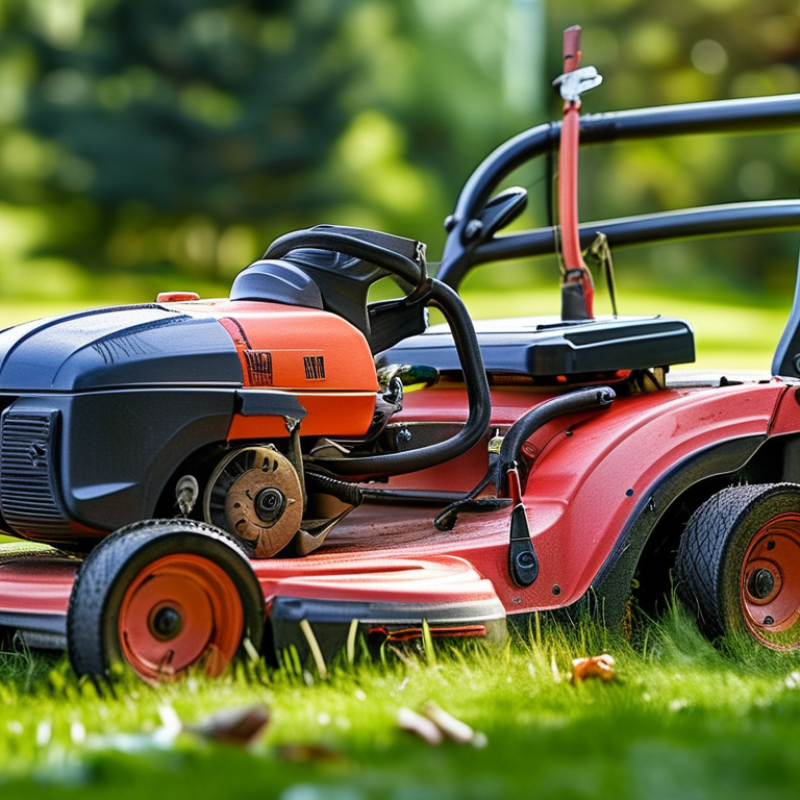
Choosing the right gas push mower for your lawn largely depends on understanding your lawn size and type. Research from the Lawn Institute indicates that lawns under 1,500 square feet can be efficiently managed with mowers featuring a cutting width of 20 inches or less. In contrast, larger lawns require more robust models, often with cutting widths exceeding 22 inches to improve efficiency.
When evaluating mower types, consider the grass species. For instance, cool-season grasses like Kentucky bluegrass require different care compared to warm-season varieties. Mowing height also varies; cool-season grasses thrive when cut to 2.5 to 4 inches, while warm-season grasses fare better at 1 to 3 inches. Misalignment in mowing height can lead to an unhealthy lawn, so it’s essential to match your mower settings accordingly.
Tips: Always assess your lawn's specific needs. Take note of varying terrains; uneven ground may require a more maneuverable mower. Regular maintenance will extend your mower's lifespan. Finally, consider the time you want to invest in mowing. Some mowers are better suited for quick jobs, while others take time but offer more precise cutting.
Choosing the right gas push mower involves understanding its key features. One of the most important aspects to consider is the engine type. A reliable engine can make mowing smooth and easy. Look for a mower with a powerful engine to handle thick grass.
Blade quality is another crucial feature. A sharp, durable blade provides an even cut. Consider mowers that allow for easy blade height adjustments, so you can customize your lawn care. This flexibility is vital for tackling varying grass lengths.
Tip: Always read reviews before purchasing a mower. This helps you understand the experiences of other users.
Weight affects maneuverability. A lightweight mower is easier to push, especially on slopes. However, a too-light mower might lack stability. Balance is essential for effective mowing.
Tip: Test the mower in-store if possible. This gives you a feel for its weight and grip.
Lastly, consider maintenance requirements. Some models may require frequent upkeep. A mower that’s easy to maintain will save you time. Always check the availability of replacement parts. This small step can prevent future headaches.
When selecting a gas push mower, engine power and fuel efficiency play crucial roles. A mower with higher engine power can effectively handle tough grass and uneven terrain. Reports indicate that a mower's power is typically measured in cc (cubic centimeters). Many optimal models range from 140 cc to 190 cc. Mowers within this power range maintain performance across various lawn types, delivering a clean cut while reducing the time spent on mowing.
On the flip side, fuel efficiency is essential for cost savings and environmental impact. A study by the Environmental Protection Agency (EPA) highlights that gas mowers average around 1.2 to 1.5 gallons of fuel per hour. With the rising fuel prices, the efficiency of your mower can dictate overall maintenance costs. Many efficient models achieve over 20% better fuel economy than their less efficient counterparts. However, low-quality gas can compromise performance, negating the benefits of a supposedly fuel-efficient mower.
Choosing a mower blends performance and responsibility. Consumers must balance horsepower with fuel consumption. Understanding these details can help prevent overspending and enhance lawn care practices. However, there is no one-size-fits-all solution. Individual needs and lawn conditions ultimately dictate the right balance. Making an informed choice is key but requires ongoing reflection on how well the chosen mower meets those lawn care goals.
When selecting a gas push mower, comfort and maneuverability are critical factors. According to a 2022 study by the American Lawn Care Association, 80% of users prioritize ease of handling above other features. A poorly designed mower can lead to fatigue, especially during longer sessions. Choosing a model that fits your height and strength will enhance your mowing experience significantly.
The weight distribution of a mower plays a crucial role in its maneuverability. A well-balanced mower can prevent strain on your back and arms. Reports indicate that mowers weighing between 40 to 70 pounds offer an ideal balance of stability and ease of movement. Features like adjustable handles or premium grip materials can further improve comfort. However, many users overlook these details, which can lead to discomfort during operation.
Additionally, you should consider the turning radius. A mower with a smaller turning radius allows for easier navigation around obstacles, such as trees and flower beds. The ability to make tight turns can save time and reduce the frustration of having to backtrack. Many mowers fall short in this area. Testing the mower in-store can provide insight into how it feels to maneuver, ensuring your choice supports ease of use.
When choosing a gas push mower, maintenance and durability play crucial roles in long-term satisfaction. It's essential to understand how often the mower requires upkeep. Routine tasks include cleaning the air filter and changing the spark plug. These steps can extend the mower's life significantly. Consider how accessible parts are for repairs. Some models have tightly packed components. This design makes maintenance more challenging. If you’re not comfortable with repairs, look for mowers that are known for user-friendly access.
Durability is another key factor. A sturdy chassis often indicates a longer lifespan. Look for mowers constructed with high-quality materials. Steel frames are more durable than plastic ones. Pay attention to the mower's deck. A well-designed deck reduces wear and helps prevent rust. Read reviews from other users about how their mowers have performed over time. Some mowers might work great initially but could fail after a few seasons.
In assessing durability, consider warranty options. A robust warranty can reflect the manufacturer's confidence in their product. Check if the warranty covers major components like the engine and transmission. If you have to replace major parts, it could strain your budget. Don't overlook the importance of regular maintenance for overall mower longevity. Even the best machine needs care. Therefore, prioritize models that offer a balance of excellent build quality and straightforward maintenance.
| Feature | Importance | Rating (1-5) | Maintenance Frequency | Durability Expectation (Years) |
|---|---|---|---|---|
| Engine Power | High | 4 | Annual check | 5-7 |
| Blade Quality | High | 5 | Semi-annual sharpening | 10+ |
| Chassis Material | Medium | 4 | Annual inspection | 7-10 |
| Wheel Size | Medium | 3 | Annual check | 5-7 |
| Ease of Maintenance | High | 4 | Regular visual checks | 5-10 |
© Copyright 2025 | LittleFirefighter.com | All Rights Reserved | 1EZ Creative: Orange County Web Design

Fusce ut ipsum tincidunt, porta nisl sollicitudin, vulputate nunc. Cras commodo leo ac nunc convallis ets efficitur.

12345 North Main Street,
New York, NY 555555
1.800.555.6789
sale@vibrotools.com
