How to Choose the Best Hydraulic Truck Crane for Your Needs?
Choosing the right Hydraulic Truck Crane is essential for any construction project. According to a recent industry report, the global crane market is projected to reach $45 billion by 2026. This growth highlights the importance of finding the right equipment to meet specific operational needs.
Hydraulic Truck Cranes are versatile and powerful. They can lift heavy loads on-site with efficiency. However, selecting the best model can be challenging. Factors such as lift capacity, mobility, and cost play critical roles in the decision-making process. Industry experts often emphasize the need for proper evaluation to avoid costly mistakes.
Performance and adaptability are vital attributes for Hydraulic Truck Cranes. Each project may require different specifications. Thus, understanding your unique requirements and considering available options is crucial. While there are many models available, not every crane will suit your needs perfectly. Take your time to assess the best fit for optimal productivity.
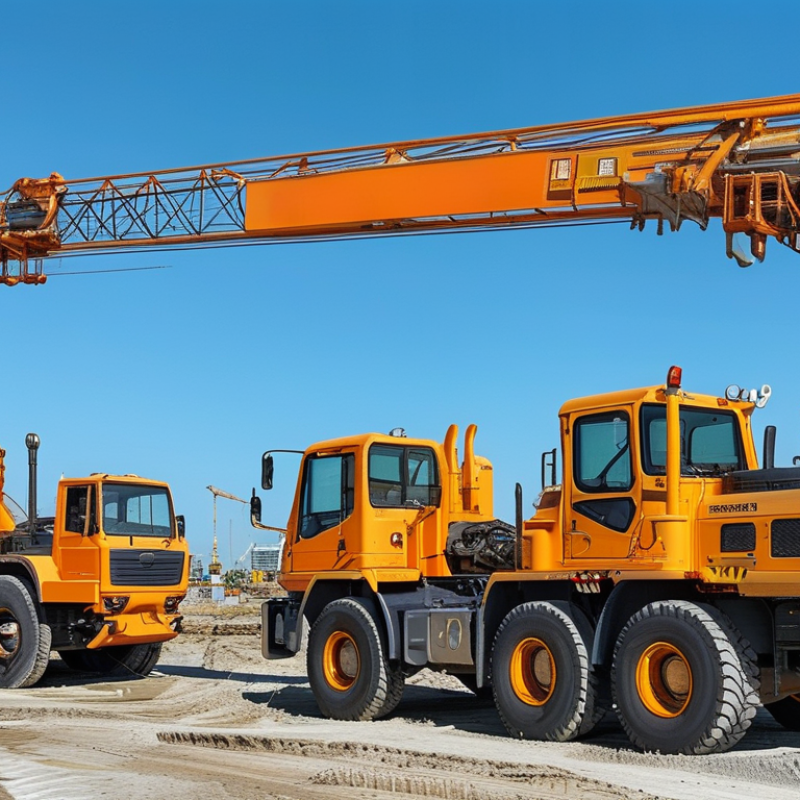
Understanding Hydraulic Truck Cranes: Types and Their Applications
Hydraulic truck cranes are versatile machines used in construction, lifting, and telecommunication projects. Understanding their types is essential for effective operation. There are four main categories: all-terrain, rough terrain, truck-mounted, and crawler cranes. Each type serves different environments and applications, impacting your choice significantly.
All-terrain cranes, for instance, excel on various surfaces and offer high mobility. A recent industry report shows they dominate the market, making up about 40% of total crane sales. Rough terrain cranes, with their robust wheels, are tailored for uneven job sites. They combine stability with lifting capacity, which is critical for construction projects in remote locations. Truck-mounted cranes are integrated with a truck chassis, providing more road mobility, yet they are limited in lifting capacity compared to their counterparts. Meanwhile, crawler cranes are best for heavy lifting on soft ground, providing unmatched stability.
When selecting the right crane, consider specific project needs. Each crane type has unique strengths and weaknesses. The choice might seem straightforward, but overlooking project requirements can lead to inefficiencies. Understanding these distinctions ensures you invest wisely in equipment that meets your demands, ultimately influencing project success.
How to Choose the Best Hydraulic Truck Crane for Your Needs?
| Type | Max Load Capacity | Boom Length | Best Used For |
| All-Terrain Crane | 50-120 tons | 40-80 meters | Construction sites, rough terrains |
| Truck-Mounted Crane | 10-45 tons | 20-35 meters | Quick transport, urban lifting |
| Rough Terrain Crane | 20-50 tons | 30-50 meters | Off-road applications, construction |
| Crawler Crane | 30-150 tons | 30-100 meters | Heavy lifting in constrained spaces |
| Loader Crane | 5-20 tons | 10-20 meters | Material handling, light lifting |
Key Specifications to Consider When Choosing a Hydraulic Truck Crane
Choosing the right hydraulic truck crane is crucial for various lifting tasks. When selecting a crane, start with understanding its load capacity. This will determine how much weight you can lift safely. Consider the maximum height the crane can reach. If you need to lift materials to great heights, this feature is essential. Additionally, think about the crane's mobility. Some cranes are designed for rough terrain while others work best on smooth surfaces.
Don’t overlook the boom configuration. A telescopic boom offers flexibility, while a lattice boom provides stability. Examine the control options too. Having intuitive controls improves operation and reduces the chance of accidents. Another aspect is the stabilizing system. Hydraulic outriggers enhance stability during lifting, ensuring safety on site.
Warranties and after-sales service matter greatly. A reliable service will support you when issues arise. Reflect on the total cost of ownership. It’s not just about the purchase price; maintenance and operational costs add up. This consideration is often ignored but should be evaluated carefully.
Evaluating Load Capacity: Finding the Right Crane for Your Project
When selecting a hydraulic truck crane, load capacity is a critical factor. Knowing the maximum load your crane must lift is essential for ensuring safety and efficiency. Industry reports suggest that cranes with a load capacity between 10 to 300 tons are the most common for construction projects. However, precise needs will depend on specific tasks, such as handling materials or equipment.
Evaluating load capacity involves comparing the crane's specifications to your project's requirements. For instance, consider the weight of the loads you often handle. A crane with too low a capacity can lead to dangerous overload situations. A report from the American Crane and Transport indicates that 43% of crane accidents are due to exceeding load limits. Therefore, correct calculations on load weight and working radius are needed. Always refer to the manufacturer's guidelines for load charts as well.
Don't overlook the performance in various conditions. Environmental factors can impact crane efficiency. Wind speed and ground stability are vital to consider. An experienced operator is crucial for adjusting to these changing conditions. Remember, a crane's load capacity is only one aspect of its overall performance. Balancing capacity with other factors like stability and maneuverability is often a challenge.
Assessing Reach and Lift Height: Essential Measurements for Cranes
When choosing a hydraulic truck crane, reach and lift height are critical factors. Understanding these measurements will help ensure that the crane meets your specific needs. Reach refers to the distance a crane can extend horizontally. This is vital for jobs that require lifting heavy loads over obstacles. The lift height, on the other hand, determines how high the crane can raise its load. It is essential for construction tasks that demand significant vertical clearance.
To accurately assess these measurements, consider the nature of your projects. For example, urban construction sites often have height restrictions. A crane with a limited reach may struggle to maneuver around buildings. Conversely, in open spaces, a longer reach may provide advantages. Be aware that the effective reach can decrease when lifting heavier loads. It's important to balance between load weight and crane specifications.
Furthermore, consulting with industry experts can provide valuable insights. They can help navigate the complexities of crane specifications. Some cranes may promise exceptional reach but fall short in real-world applications. Always evaluate how previous users experienced these machines. Reliability should not only stem from numbers but also from proven performance. Understanding these nuances can help make a more informed decision.
Maintenance and Safety Features: Ensuring Longevity and Compliance
When choosing a hydraulic truck crane, maintenance and safety features are critical. Regular maintenance ensures the crane operates smoothly. A well-maintained crane reduces breakdown risks. Inspect all components routinely to identify early signs of wear. Use a checklist for regular inspections to enhance reliability.
Safety features are non-negotiable. Look for cranes equipped with overload protection systems. These systems prevent accidents by stopping operations when the load exceeds safe limits. Emergency stop buttons should be easily accessible. Consider cranes with visual and audible alarms for added security.
Tips: Regularly train operators on safety protocols. This can minimize risks during operation. Create a maintenance log to track service history. A proactive approach to maintenance can lead to a longer lifespan for your crane. Periodically review safety features to ensure compliance with standards. Don't overlook the importance of proper operator training to maintain operational safety.