
Choosing Power Supply Connectors for global sourcing is not a simple catalog exercise. A connector may fit perfectly in a drawing and still fail in production. Engineers must examine current rating, voltage clearance, contact resistance, temperature rise, locking strength, and mating cycles. Small details matter. A loose crimp can create heat. Poor plating can accelerate oxidation. An attractive unit price can hide expensive field failures.
Dr. Paul G. Slade, a respected authority on electrical contacts, states, “The contact interface is the heart of connector reliability.” This principle should guide every sourcing decision. Buyers need more than a supplier datasheet. They need verified test reports, material declarations, traceable lots, and evidence of process control. Factory audits can reveal inconsistent crimp heights, mixed terminals, or inadequate inspection equipment. Those observations are practical. They are also easy to overlook.
Global sourcing adds another layer of risk. Regional certifications, packaging conditions, lead times, tooling ownership, and replacement availability can change the real cost. A connector approved for one market may require additional evaluation elsewhere. Never assume interchangeability. Confirm the mating half, wire gauge, insulation diameter, and derating curve under actual operating conditions. That assumption is convenient. It is also incomplete.
This guide explains how to compare Power Supply Connectors with greater confidence. It focuses on documented performance, supplier experience, and realistic application needs. Some decisions will remain imperfect. That is normal. The goal is not to find a universally “best” connector, but to select a dependable one for the intended environment, volume, and service life.
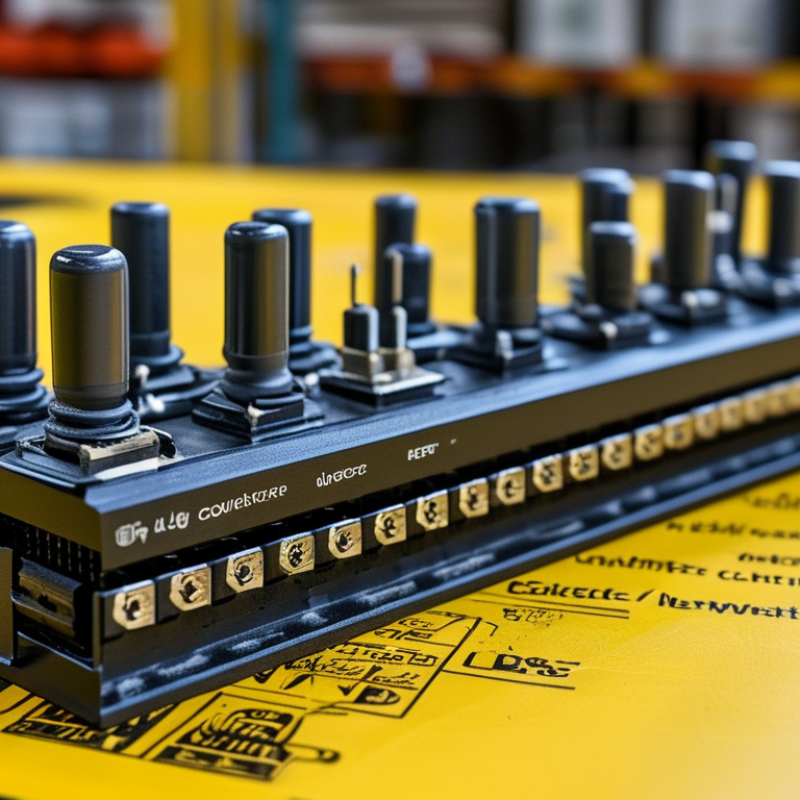
Define the voltage before comparing connector shapes. A device designed for 120 V may fail on a 230 V supply without proper conversion. Global markets also vary in frequency, grounding, and plug configuration. Confirm the destination country, installation environment, and expected input range. Do not treat a travel adapter as a voltage converter. It usually changes the fit, not the electrical supply.
Current requirements need equal attention. Calculate normal operating current, startup surge, and possible overload conditions. Select a connector with a current rating above the measured requirement. Leave practical headroom. Heat can build inside a compact enclosure, especially when contacts are small or cables are undersized. Check the connector’s voltage rating, contact resistance, insulation quality, and temperature range. I have seen otherwise suitable designs fail because engineers checked only the average current.
Regional sourcing adds more variables. A connector may fit mechanically but lack the required grounding or polarization. Confirm cable gauge, protective earth continuity, and strain relief before approving samples. Request test data from the supplier, then verify it with incoming inspection. Samples can hide production variation. That deserves skepticism. Compare the connector with local electrical requirements and independent safety testing expectations. Keep pin assignments identical across regional versions whenever possible, but document every change clearly. A small labeling mistake can create expensive rework.
Choosing a power supply connector starts with the device, not the catalog. Confirm voltage, current, polarity, mating cycles, and available space. A 12 V device drawing 3 A needs a connector rated above 36 W, with safety margin for startup surges. Small mistakes matter.
For board-mounted products, compare pin pitch, mounting direction, retention strength, and solder-temperature limits. Cable assemblies require conductor size, insulation rating, bend radius, and strain relief. IEC 60512 testing covers electrical, mechanical, and environmental performance, so request test evidence rather than relying on a product photograph. For outdoor equipment, check sealing performance, corrosion resistance, and the required IP rating under IEC 60529. It looks obvious. It is often missed.
Global demand also rewards disciplined specification. Grand View Research valued the global electrical connectors market at about USD 84.8 billion in 2023 and expects continued growth through 2030. That expansion increases sourcing choices, but not necessarily compatibility. Compare the connector’s continuous current rating, temperature rise, and derating curve at the real operating temperature. A connector rated at 10 A in ideal conditions may perform differently inside a warm enclosure. I have seen procurement teams approve a match based only on voltage and shape. That approach needs reconsideration. Ask for samples, perform insertion-force checks, and validate the complete device-power-supply combination before volume purchasing.
Choosing a power supply connector for global sourcing starts with safety evidence, not price. In practice, I check the connector’s voltage, current, temperature, and insulation ratings against the complete power system. A connector marked for 250 volts may fail when heat, vibration, or repeated mating are added. Ask for test reports, material declarations, and traceable production records. Shortcuts become expensive later.
Safety standards differ by market. International requirements may guide the design, while national rules can demand additional testing or recognized certification. Confirm whether certification covers the connector, cable assembly, or finished equipment. They are not interchangeable. Check creepage, clearance, flame resistance, touch protection, and abnormal-temperature results. Medical, industrial, and outdoor applications may require extra controls. An accredited laboratory should issue current reports, with model numbers matching the samples.
Country-specific regulations can affect plugs, wiring colors, import documents, and recycling obligations. Before ordering, compare the destination country’s approved plug format and marking rules with the factory drawing. Request label and packaging photos. Keep revision-controlled files. I have seen small label changes delay customs clearance. That experience changed my checklist. Still, paperwork is not proof of safe design. Independent sample testing remains necessary after changes to resin, terminals, or tooling. Leave room for review.
Check safety standards, certifications, and country-specific regulations before selecting a power supply connector. The chart compares representative nominal low-voltage supply requirements used in major sourcing markets.
Representative nominal values: the United States uses 120 V / 60 Hz; the European Union, United Kingdom, China, India, and Australia commonly use 230 V / 50 Hz; Japan uses 100 V with 50 Hz in eastern regions and 60 Hz in western regions. Confirm the destination country's current requirements and applicable certification rules before production.
Choosing power supply connectors for global sourcing requires more than matching voltage and current. Material selection controls heat, corrosion, and contact stability. Copper alloys offer strong conductivity, while plated contact surfaces reduce oxidation. However, thicker plating is not automatically better. It can increase cost without solving poor assembly control.
Durability should be verified through mating-cycle, vibration, and temperature-rise tests. IEC 60512 provides relevant test methods for electrical connectors. Use its procedures when comparing suppliers, not only supplier brochures. The IEA Global EV Outlook 2024 reported nearly 14 million electric car sales in 2023. This growth increases demand for connectors that survive frequent charging and thermal cycling. A connector rated for 10,000 cycles may still fail early when terminals are misaligned. Small details matter.
Compatibility includes wire size, locking geometry, creepage distance, and installation tools. Environmental conditions need equal attention. ISO 16750 testing can guide exposure to vibration, humidity, dust, and temperature changes. Coastal equipment may require corrosion-resistant materials. Outdoor units may face condensation from cold nights. In dusty facilities, unused openings should have suitable seals. IP ratings help, but they do not replace application testing. Not always. A common sourcing mistake is approving samples indoors, then discovering field failures after rain, salt exposure, or repeated heating. Test the complete connector, cable, housing, and assembly process together. Temperature data should come from loaded circuits, not empty samples.
Choosing power supply connectors for global sourcing requires more than comparing unit prices. In supplier reviews, check contact resistance, temperature ratings, mating cycles, and insulation performance. Ask for test records aligned with IEC 60320 or the applicable regional standard. A low quotation may exclude tooling, molds, plating, packaging, or compliance testing. Request a complete landed-cost breakdown. Include minimum order quantities and replacement-part pricing.
Customization can improve fit, but it adds schedule risk. Confirm drawings, resin grades, terminal materials, tolerances, and approval samples before production. A useful comparison table should show prototype time, tooling ownership, annual capacity, and defect-response procedures. The World Bank’s 2023 Logistics Performance Index scored global logistics performance at about 2.5 out of 5, showing why delivery assumptions need evidence. Ask suppliers for shipment history, buffer-stock options, and alternate production sites. Delivery dates are not guarantees.
The WTO reported that world merchandise trade volume declined 1.2% in 2023. Demand changes can affect factory allocation and component availability. Keep a second qualified source, even if its price is higher. It may protect continuity. However, dual sourcing is not automatically safer. Different suppliers may use incompatible terminals or unapproved materials. I have seen comparison sheets overlook connector mating force, then discover assembly problems during pilot production. A small sample can expose a large mistake. Recheck every claim against physical testing, current certificates, and a signed specification.
| Supplier Profile | Typical Connector Portfolio | Common Contact Materials and Plating | Customization Capability | Typical MOQ | Indicative Unit Cost* | Sample Lead Time | Production Lead Time | Compliance Documentation | Delivery Risk | Best Fit for Global Sourcing |
|---|---|---|---|---|---|---|---|---|---|---|
| High-volume standardized manufacturer | DC barrel plugs, wire-to-board connectors, PCB terminal blocks, standard AC power connectors | Brass or phosphor bronze contacts; tin plating is common, with nickel or gold plating available for selected applications | Low to medium; may support cable length, wire gauge, keying, color, and packaging changes using existing tooling | 5,000–20,000 pieces | US$0.05–US$0.40 | 7–14 days | 25–45 days | RoHS and REACH declarations; UL, IEC, or test reports may be available for applicable product families | Low to medium | Large recurring orders where low price, repeatability, and stable specifications are the main priorities |
| Mid-volume custom cable assembly supplier | Molded DC cables, locking power connectors, battery leads, appliance harnesses, and custom overmolded assemblies | Tinned copper wire with brass or copper-alloy contacts; PVC, TPE, or silicone insulation and jackets | High; supports wire length, conductor size, insulation material, connector color, strain relief, labels, and overmold geometry | 500–5,000 pieces | US$0.30–US$3.50 | 10–20 days | 30–60 days | Material declarations, wire specifications, continuity tests, hipot tests, and batch inspection records are commonly available | Medium | Products requiring application-specific cable lengths, molded strain relief, or mixed connector configurations |
| Regional distributor or authorized channel supplier | Standard IEC appliance connectors, terminal blocks, board headers, power entry modules, and stocked cable assemblies | Usually specified by the original component manufacturer; common options include tin-plated copper alloys and flame-retardant thermoplastics | Very low; custom modifications usually require a separate manufacturer engineering process | 1–100 pieces for stocked items; higher for non-stock products | US$0.40–US$8.00 | 1–10 business days when in stock | 4–12 weeks for factory replenishment or non-stock items | Product datasheets, certificates of conformity, safety approvals, and traceability records are typically easier to obtain | Low for stocked items; medium for replenishment | Prototype builds, urgent replacements, low-volume purchasing, and projects requiring strong documentation |
| Industrial connector specialist | High-current circular connectors, screw-lock connectors, waterproof connectors, rectangular heavy-duty connectors, and power distribution interfaces | Copper alloy contacts with tin, silver, or gold plating; IP-rated housings commonly use PA, PBT, or other engineering plastics | Medium to high; supports contact count, current rating, sealing, mounting style, keying, and environmental protection changes | 100–2,000 pieces | US$2.00–US$25.00 | 2–5 weeks | 8–16 weeks | IP testing, temperature ratings, current derating curves, insulation data, and applicable IEC or UL documentation | Medium | Industrial equipment, outdoor power systems, robotics, battery systems, and high-vibration environments |
| Low-volume engineering and prototype supplier | Prototype harnesses, 3D-printed or machined housings, test connectors, custom adapter cables, and small-batch assemblies | Materials selected according to prototype requirements; common choices include copper contacts, PVC or silicone cable, and nylon housings | Very high; rapid changes to pinout, cable length, connector selection, labeling, and enclosure interfaces are usually possible | 5–100 pieces | US$3.00–US$40.00 | 3–15 business days | 15–35 business days | Basic material and inspection records; full third-party certification may not be included unless specifically requested | Medium to high | Engineering validation, pilot production, pre-compliance testing, and designs that are still undergoing revision |
| Safety-certified power connector manufacturer | AC inlets, fused power entry modules, appliance couplers, locking mains connectors, and certified power distribution components | Brass or copper-alloy contacts with tin or silver plating; flame-retardant thermoplastics and certified insulation systems | Medium; configuration changes are possible, but safety-critical geometry and materials may require formal review | 1,000–10,000 pieces | US$0.60–US$6.00 | 2–4 weeks | 6–12 weeks | Applicable safety approval files, dielectric-strength data, flammability ratings, factory inspection records, and traceability documents | Low to medium | Commercial equipment and appliances where electrical safety certification and regulatory acceptance are essential |
| Low-cost export-oriented supplier | Standard DC plugs, USB power connectors, terminal blocks, simple wire harnesses, and general-purpose power leads | Often copper-alloy contacts with tin plating; jacket materials commonly include PVC, with higher-temperature materials available at extra cost | Medium; basic cable, color, label, and packaging changes are common, while new tooling may require a separate charge | 1,000–10,000 pieces | US$0.08–US$1.20 | 7–21 days | 30–70 days | RoHS and REACH statements may be available; independent test reports and lot-level traceability should be verified before ordering | Medium to high | Cost-sensitive products with flexible schedules and buyers able to perform supplier audits and incoming inspection |
© Copyright 2025 | LittleFirefighter.com | All Rights Reserved | 1EZ Creative: Orange County Web Design

Fusce ut ipsum tincidunt, porta nisl sollicitudin, vulputate nunc. Cras commodo leo ac nunc convallis ets efficitur.

12345 North Main Street,
New York, NY 555555
1.800.555.6789
sale@vibrotools.com
