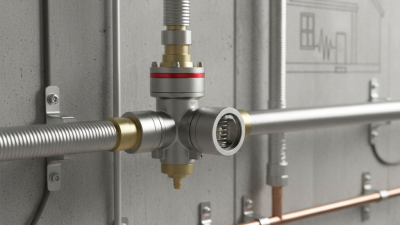
A gas earthquake valve can look like a small fitting beside a meter, yet its job is consequential: it senses strong shaking and shuts off gas flow. The USGS’s 2023 National Seismic Hazard Model warns that nearly 75% of the United States could experience damaging earthquake shaking. That figure describes hazard, not the likelihood that any one home will be damaged. Still, it explains why homeowners compare valve types, activation thresholds, certifications, and installation requirements.
Seismologist Lucy Jones is often quoted as saying, “Earthquakes don’t kill people; buildings do.” Her words concern the broader consequences of earthquakes, not a specific valve or product. The distinction matters. A shutoff device may reduce one source of post-quake danger, but it cannot prevent structural damage or replace a household safety plan. FEMA guidance also stresses understanding utility shutoffs and seeking qualified help when gas service needs attention.
This guide examines ten leading gas earthquake valve options through practical criteria: compatibility, recognized testing, installation needs, and clear product documentation. Rankings can simplify a complicated choice, but they are not universal recommendations. A valve suitable for one gas line may not fit another. Check the manufacturer’s specifications and consult a licensed professional before buying or installing one. Details matter. And no product earns trust from a dramatic claim alone.
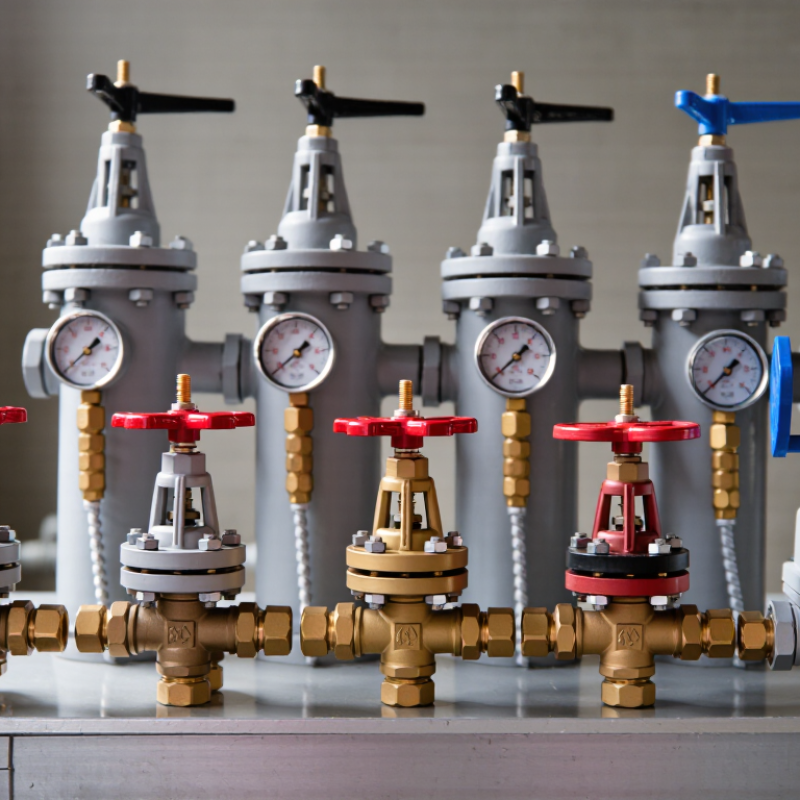
A gas earthquake valve is a safety device installed on a building’s gas supply line. When strong shaking moves its sensing mechanism, the valve closes and interrupts incoming gas. Many models use a small metal ball that shifts from its seat during motion. Some use electronic sensors instead. It is not magic. The valve responds to movement, not to every possible cause of a gas leak, and its trigger threshold varies by design.
After an activation, gas appliances may stop working, but gas can remain in pipes beyond the closed valve. Do not assume the system is safe just because the flow has stopped. If you smell gas, leave the area and contact the gas utility or emergency services from a safe location. A qualified professional should select and install a valve suited to the property’s pipe size and gas demand. Placement matters: a blocked or poorly supported sensor may not operate as intended. After an earthquake, have the line and appliances checked before the valve is reset according to its instructions. This step can feel inconvenient, but skipping it leaves an important question unanswered: did the shaking damage something else?
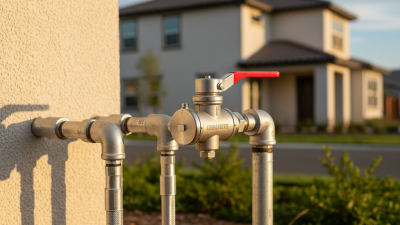
Earthquake-activated gas valves are designed to stop gas flow when strong shaking could damage piping. Mechanical models often use a suspended weight or internal ball. When movement passes a preset threshold, the mechanism closes the valve. These designs need no external power. Some systems use an electronic seismic sensor connected to a shutoff valve, allowing the sensor and valve to sit in different locations. Not every valve does the same job. An excess-flow valve reacts to unusually high gas flow, not shaking itself, though it may provide another layer of protection.
Useful features include a clear closed-position indicator, a manual reset, and compatibility with the home’s gas pipe size and appliance demand. A valve that trips too easily may interrupt service during ordinary vibration; one set poorly may not respond as intended. That distinction matters. Placement and installation affect performance, so a qualified gas professional should assess the piping and follow the device instructions. After a major earthquake, do not force a reset if you smell gas or suspect damage. Leave the area and contact emergency services or the gas utility. One point can be confusing: a closed valve does not confirm that every downstream pipe is undamaged.
Comparing ten gas earthquake valves starts with the job each must do. Check pipe size, fuel type, flow capacity, and pressure drop against the home’s actual gas demand. A valve that fits the pipe may still restrict several appliances running together. Fit matters too. Compare approved installation positions, trigger thresholds, and reset methods. These details affect performance after shaking, not just the product sheet.
Use recognized testing as a baseline. Check whether each device is evaluated under the applicable ASCE/SEI 25 standard for earthquake-actuated gas shutoff devices. Then verify certification, installation instructions, and maintenance requirements with a qualified gas professional. The USGS and California Geological Survey’s 2015 UCERF3 report estimated a 99.7% chance of a magnitude 6.7 or larger earthquake in California over 30 years. That forecast is statewide, not a prediction for every property, but it shows why local seismic conditions matter.
For a fair comparison, build a scorecard for all ten: documented test basis, compatible pipe sizes, rated flow, installation limits, and reset procedure. Ask whether the valve has clear status indicators and whether routine inspection is practical. A complicated reset can delay restoring service. No scorecard is perfect; published specifications may not show how a device behaves in a specific plumbing layout. Have a licensed installer confirm fit before choosing by price alone.
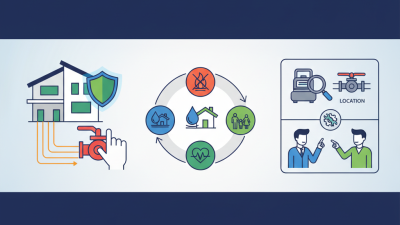
This chart compares general valve types, not individual products. A seismic-actuated valve responds to ground motion; an excess-flow valve responds to unusually high gas flow; a manual valve requires a person to operate it. A standalone remote-operated valve requires a person to send the shutoff command. Before choosing a valve, check local requirements, certification, pipe sizing, installation instructions, and reset procedures with a qualified professional.
Installation, Testing, and Resetting Requirements
A dependable gas earthquake valve is only useful when correctly installed and maintained. Compare listed models by pipe size, flow capacity, orientation, and compatibility with local requirements—not price alone. The USGS records the 1994 Northridge earthquake as magnitude 6.7, with 57 deaths and extensive infrastructure damage. That event is a practical reminder: a small valve installation detail can matter during a major shake. Have a qualified gas professional install the valve near the meter, following its instructions and local codes. The body must be mounted in its approved orientation, with secure pipe support and clear access for inspection.
Testing should follow the valve maker’s procedure and local utility guidance. Do not strike or shake the valve to test it; that can damage equipment or interrupt service. Ask the installer to document the model, installation date, test method, and reset steps. After an earthquake, check for a gas odor from a safe distance. If you smell gas, leave the area and contact emergency services or the gas utility; do not attempt a reset. Once the area is confirmed safe, have a qualified professional restore service and relight appliances as needed. Procedures vary by valve.
“Best” depends on the property, local rules, and gas system—not a national top-ten list. The USGS 2023 National Seismic Hazard Model indicates that damaging earthquake shaking is possible across more than 75% of the United States. That broad figure is not a property-level risk estimate; check local seismic maps and code requirements before comparing valves.
Match the valve to the gas type, pipe size, pressure, and expected flow. Confirm its certification is accepted by your local code official and gas utility. Ask whether it must be installed in a particular orientation and whether the shutoff can be safely reset after activation. Fit matters. So does access. A cramped meter enclosure can make inspection or servicing harder.
I would not choose by online ratings alone; they rarely show whether a model suits a specific installation. Check the locally adopted fuel-gas code, amendments, permit rules, and utility requirements, which can differ between neighboring jurisdictions. Have a licensed gas professional assess the meter, appliance demand, and placement. A valve is one safety measure, not a guarantee against gas leaks or earthquake damage. Don’t guess on sizing.
There is no single best seismic gas shutoff valve for every property. Use these ten selection profiles to compare suitable valve features and installation considerations. They are categories, not product rankings or endorsements.
| Selection profile | Valve approach to consider | Why it may fit | Key checks before purchase | Installation and code considerations |
|---|---|---|---|---|
| Detached home with natural gas | Seismically actuated mechanical shutoff valve listed for natural-gas service | A mechanical design can operate without household electrical power. | Confirm gas type, required flow capacity, pipe size, connection type, and permitted orientation. | Check local requirements for valve location, listing, permits, and inspection. Have installation completed by a qualified professional. |
| Home supplied by propane (LP gas) | Valve specifically approved or listed for the propane service and installation location | Gas type and operating conditions must match the valve’s approved application. | Do not assume a natural-gas valve is suitable for propane. Verify the appliance and piping system’s pressure and flow requirements. | Confirm requirements with the local authority having jurisdiction and the propane supplier or installer. |
| Property where backup power is a concern | Mechanical seismic shutoff design | Mechanical actuation does not rely on a powered sensor or powered actuator to close. | Check the manufacturer’s instructions for activation, reset, inspection, and any restrictions on installation. | Confirm that the specific model is accepted locally and installed in the orientation and location specified in its instructions. |
| Property needing an electrical alarm or monitoring connection | Electronic seismic sensor paired with a compatible gas shutoff actuator | Some systems can provide electrical signals or integrate with other equipment, depending on their design. | Check power requirements, backup-power behavior, compatibility, alarm functions, and the prescribed reset procedure. | Use only a system approved for the intended gas service and location. Arrange electrical and gas work according to local rules. |
| Multi-unit residential building | Building-level or appropriately designed zone-level seismic shutoff arrangement | System design can account for the building’s gas demand and how its piping serves multiple units. | Have a qualified designer verify total demand, pressure loss, pipe layout, and the effect of shutting off a shared supply. | Check applicable building, fire, gas, and utility requirements; a single-family installation approach may not suit a shared system. |
| Restaurant or other commercial property | Commercial-duty valve with documented capacity for the connected equipment load | Commercial appliances may require substantially different flow capacity from a typical dwelling. | Verify the valve’s rated capacity at the system’s operating conditions, connection size, and compatibility with the gas type. | Confirm approval for the occupancy and installation, and coordinate with the gas contractor and local inspector. |
| Existing threaded steel gas piping | Valve with end connections compatible with the existing piping, where permitted | Matching connection types can simplify a properly designed retrofit. | Confirm nominal pipe size, thread compatibility, flow capacity, clearances, and whether adapters are allowed. | Do not select by pipe diameter alone; the installer must assess the existing piping and code-compliant location. |
| Large-diameter or engineered piping system | Potentially a flanged-end or other engineered connection, subject to system design | Connection style and capacity can be specified for larger or purpose-designed piping systems. | Verify pressure rating, flow capacity, flange standard and rating, materials, and compatibility with the piping design. | Use a qualified gas-system designer or contractor; local approval and inspection requirements apply. |
| Outdoor installation exposed to weather | Valve specifically rated for the intended outdoor environment | An appropriate environmental rating helps establish whether the device is suitable for its installation conditions. | Check the manufacturer’s stated temperature range, weather protection, corrosion resistance, and permitted exposure. | Follow required clearances and placement rules, and protect the assembly without obstructing access or operation. |
| Replacement or retrofit at an existing meter or gas line | Locally accepted valve installed at the location required or approved for the property | The correct retrofit depends on the existing meter, piping, appliances, and local requirements. | Check whether the utility, local authority, or property insurer specifies an approved valve type, listing, or placement. | Obtain required permits and inspections. Do not alter a utility-owned meter or piping without utility authorization. |
Important: Requirements vary by jurisdiction, building type, gas utility, and installation. Verify current local codes and accepted product listings with the authority having jurisdiction before buying or installing a valve. A seismic shutoff valve is not a substitute for leak checks, proper appliance installation, or emergency procedures.
© Copyright 2025 | LittleFirefighter.com | All Rights Reserved | 1EZ Creative: Orange County Web Design

Fusce ut ipsum tincidunt, porta nisl sollicitudin, vulputate nunc. Cras commodo leo ac nunc convallis ets efficitur.

12345 North Main Street,
New York, NY 555555
1.800.555.6789
sale@vibrotools.com