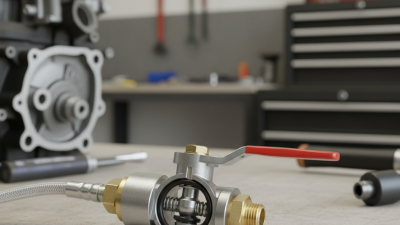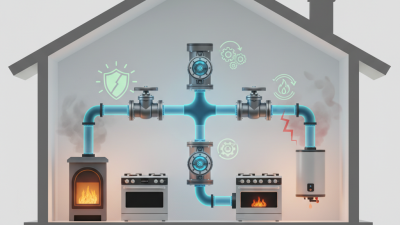
Choosing the best earthquake shut off valve is crucial for homeowners in earthquake-prone areas. An earthquake shut off valve automatically stops gas flow when it detects significant seismic activity. This can prevent fires and hazards after a quake. With various types available, it’s vital to understand your specific needs.
Not all earthquake shut off valves are created equal. Factors such as installation requirements, pricing, and reliability vary greatly among brands. Some valves are more suited for residential use, while others are better for commercial properties. You may encounter choices that seem overwhelming; consulting with professionals can help clarify these options.
Investing in an earthquake shut off valve is a proactive measure that can save lives. However, it is important to remember that no system is foolproof. Regular maintenance and inspections are essential to ensure functionality. Being aware of these details allows you to make an informed decision that best protects your home and loved ones.
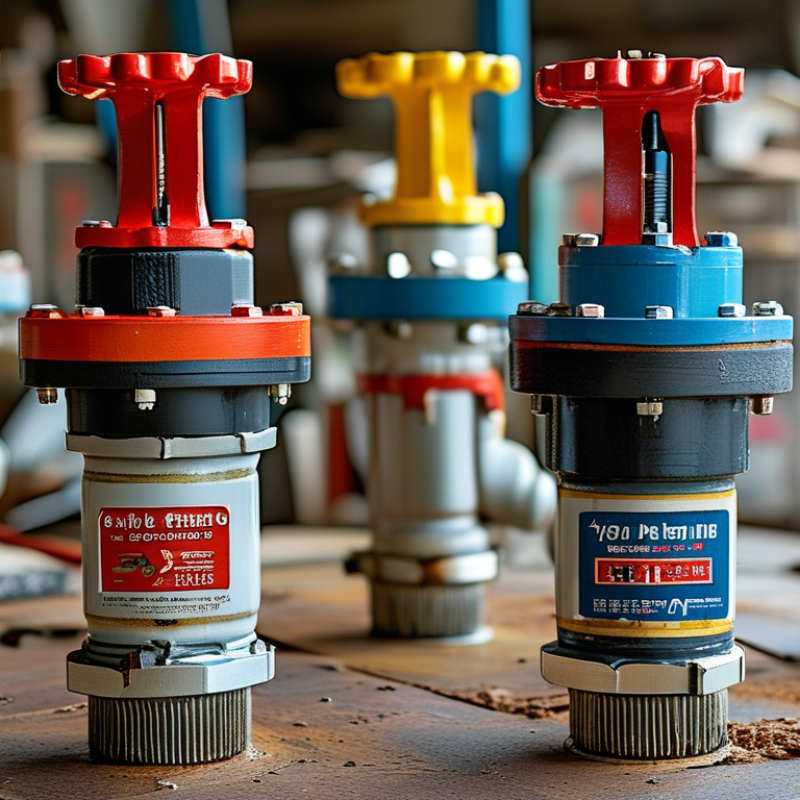
Earthquake shut-off valves play a critical role in protecting properties during seismic events. These devices automatically halt gas flow when they detect ground motion. They work by sensing vibrations and using a weighted mechanism to close, preventing potential gas leaks. This function is vital in minimizing the risk of fires and explosions, which are common hazards following earthquakes.
Choosing the right valve requires understanding your specific needs. Consider factors like installation location and your home's seismic risk. Some valves may require manual resetting after an earthquake, while others reset automatically. It's important to research the features that best suit your circumstances. Think about how often you feel earthquakes in your area. Are you prepared for aftershocks?
Not every valve is perfect for every situation. Some may malfunction or fail to close properly, especially in extreme conditions. Regular maintenance can help to mitigate this risk. Reflect on your choices and gather insight from local experts. This knowledge can lead to better decision-making in preparing your home for the unexpected.

When selecting an earthquake shut-off valve, understanding the types available is crucial. There are primarily two types: manual and automatic valves. Manual valves require human intervention to function. They are often installed in smaller homes where homeowners can regularly check the system. These valves can be cost-effective but demand diligence.
On the other hand, automatic valves activate on their own during significant seismic activity. They ensure gas lines are secured without any action needed from the homeowner. These valves often integrate advanced technology to detect vibrations. However, they can be more expensive and may require professional installation for optimal performance.
Additionally, consider the size of your home and its specific needs. Some valves are designed for residential use, while others can accommodate larger buildings. It’s important to select a valve with the right specifications. Oversizing can lead to inefficiency, while undersizing might not provide adequate protection. Balancing these factors will guide you toward the best choice for your unique situation.
| Valve Type | Mechanism | Actuation Method | Recommended Usage | Price Range |
|---|---|---|---|---|
| Automatic Valve | Seismic Sensor | Automatic | Residential and Commercial | $100 - $300 |
| Manual Valve | Mechanical | Manual | Small Businesses | $50 - $150 |
| Hydraulic Valve | Hydraulic Pressure | Automatic | Industrial Use | $200 - $500 |
| Electronic Valve | Electronic Control | Automatic | Smart Homes | $150 - $400 |
| Ball Valve | Rotating Ball | Manual | Low Pressure Systems | $30 - $100 |
When selecting an earthquake shut off valve, key features become crucial. Focus on the valve's materials and construction. They should withstand seismic activity. Look for heavy-duty brass or stainless steel components. These materials resist rust and wear over time. It’s essential to choose a valve that is certified for seismic safety. Certification guarantees reliable performance during emergencies.
Another important aspect is the ease of installation. Some models offer user-friendly designs, allowing for quicker setup, saving time and labor costs. Check if the valve is compatible with your existing gas lines. Proper compatibility ensures that the valve functions correctly when needed. A clear installation manual is also beneficial.
Consider the valve's accessibility for maintenance. Some valves may require frequent checks. A design that allows easy access can save you headaches down the line. Monitoring the valve’s condition is vital for its effectiveness. Sometimes, people overlook regular inspections. This can lead to failures when it matters most. Thoughtful considerations about these features will guide your choice effectively.
Choosing the right earthquake shut-off valve can be challenging. Several factors come into play based on your specific requirements. Your local seismic activity is a critical consideration. Areas with frequent quakes often necessitate more robust valves. Home design, pipe material, and valve type can also significantly impact performance.
Consider the size of your home. Larger homes may require multiple valves for adequate protection. Additionally, the location of your main gas line matters. Accessibility for maintenance is essential. You want a valve that is easy to reach and inspect. Installation complexity is another factor. Some valves need professional installation, while others allow for DIY setups.
Cost is always an element to reflect on. A more expensive valve may offer better durability and features. However, it’s vital to balance cost with functionality. Evaluate warranties and customer support as well. A warranty from a reliable source can provide peace of mind. Ultimately, discussing your options with a plumbing expert may clarify your needs.
When installing an earthquake shut off valve, consider the location carefully. It should be easily accessible for maintenance but away from high-traffic areas. The installation site should be stable, minimizing the risk of damage during seismic activity. Follow local building codes to ensure compliance with regulations. This can prevent future complications.
Regular maintenance is essential. Inspect the valve every six months to ensure it moves freely. Check for any leaks or signs of corrosion. Address these issues immediately. While some homeowners opt for professional help, many tasks can be tackled independently. Keep the valve clean, removing any debris around it. Regular upkeep will enhance reliability during an earthquake.
Training can also be useful. Familiarize yourself with the valve's operation. This knowledge will empower you during an emergency. Always double-check that your shut-off mechanism functions properly. Reflect on your home’s specific needs when performing maintenance. An informed approach ensures the valve serves its purpose effectively.
© Copyright 2025 | LittleFirefighter.com | All Rights Reserved | 1EZ Creative: Orange County Web Design

Fusce ut ipsum tincidunt, porta nisl sollicitudin, vulputate nunc. Cras commodo leo ac nunc convallis ets efficitur.

12345 North Main Street,
New York, NY 555555
1.800.555.6789
sale@vibrotools.com