
How to Choose the Right Battery Stacking Machine for Your Needs?

In the fast-evolving battery manufacturing sector, choosing the right Battery Stacking Machine is crucial. Industry reports indicate that the global battery market is projected to reach $1.2 trillion by 2025, underscoring the need for efficiency and precision in production. The right stacking machine can significantly impact productivity, affecting both output and quality.

Many manufacturers overlook essential features when selecting a Battery Stacking Machine. Factors such as automation levels and stack size capabilities are vital for optimal performance. According to the latest market analysis, a mismatch in machine specifications can lead to increased downtime and production costs. Therefore, identifying the right balance between your production needs and machine capabilities is essential.

Moreover, the technology behind these machines is rapidly advancing. Machines today offer improved safety features and energy efficiency. However, not every machine in the market provides the same level of reliability. Conducting thorough research and looking at user reviews can reveal a machine's long-term performance potential. Investing time in understanding the right choice can save considerable resources in the long run.
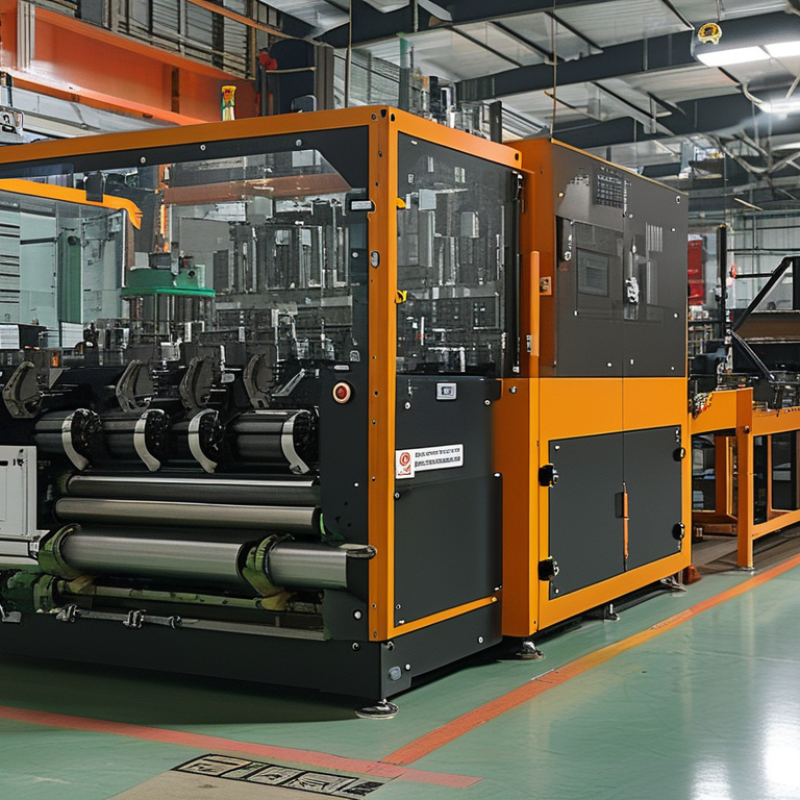
How to Choose the Right Battery Stacking Machine for Your Needs?

Understanding the Different Types of Battery Stacking Machines

When selecting a battery stacking machine, understanding the various types available is crucial. There are mainly three categories: manual, semi-automatic, and fully automatic machines. Manual machines are great for small-scale operations. They require more labor, increasing the risk of human error. Semi-automatic machines bridge efficiency and cost. However, they still need human intervention, which can slow down the process. Fully automatic machines are ideal for high-volume production, capable of handling thousands of batteries daily.

Industry reports suggest that fully automatic systems can enhance productivity by up to 30%. This increase often justifies the higher upfront costs. Consider factors like production volume, battery size, and specific application needs when choosing. Facilities should also account for maintenance and potential downtime.

Tips: Evaluate your production goals before purchase. A thorough assessment can prevent overspending on unnecessary features. Additionally, reflect on how operator training can enhance machine efficiency. It’s important to regularly review the stacking process for possible improvements. Continuous feedback can lead to better performance and reliability, ensuring that the chosen machine meets ongoing demands.

Key Features to Consider When Selecting a Battery Stacking Machine

Selecting the right battery stacking machine is crucial for efficiency and productivity. Consider the capacity of the machine. It should match your production needs, whether you're handling small or large stacks of batteries. High capacity machines can save time, but they may not fit all operational spaces. Evaluate the size and footprint of the machine in your facility.

Another essential feature is the compatibility with various battery types. Machines designed for specific battery sizes and shapes may limit flexibility. Ensure that the machine can adapt to different battery configurations to avoid future constraints. This adaptability can lead to smoother operations and less downtime.

**Tips:** Always check the machine's loading and unloading mechanisms. Smooth operation reduces manual intervention and speeds up the process. Additionally, consider the automation level. Fully automated machines can enhance precision but may be expensive upfront.

Durability and reliability are paramount. Invest in a machine that can withstand daily wear and tear. Look for user reviews and performance reports to gauge reliability. Don't overlook maintenance requirements, as easier maintenance leads to longer operational life. Think about how comfortable your team is with technical repairs; some machines may require specialized skills.

Assessing Your Production Needs for Optimal Machine Selection

When selecting a battery stacking machine, assessing your production needs is crucial. Start by evaluating your current and future demands. How many batteries do you stack each day? Consider both high and low production periods. This analysis helps identify the machine's capacity and speed requirements. A machine that can keep pace with your production schedule will enhance efficiency.

Think about the types of batteries you handle. Different battery sizes and weights may require specific stacking mechanisms. A one-size-fits-all approach may not work. Investing time in understanding your unique needs will ensure you select a machine that fits perfectly.

Consider the machine’s space requirements too. The layout of your production area plays a significant role. Ensure that there is enough room for movement and maintenance. Reflecting on these factors leads to a more informed decision. It's easy to overlook these details, but they can significantly impact your operations. Choosing the right machine is not just about specifications; it's about aligning it with your production ethos.

Battery Stacking Machine Selection Criteria

Evaluating Budget Constraints and Cost-Effectiveness of Options

When selecting a battery stacking machine, budget is a crucial factor. Evaluate your options based on both upfront costs and long-term savings. A cheaper initial price may come with hidden expenses. Maintenance and energy consumption are often overlooked when assessing total cost. Machines with lower purchase prices may require more frequent repairs.

Consider the longevity and efficiency of the machines. Investing in a higher-quality machine may save money over time. Analyze your production scale and needs. Can the machine handle your requirements without unnecessary features? This is where critical thinking is essential. A complicated machine may sound appealing but add complexity and cost.

Not all machines deliver equal performance. Research user experiences and feedback. A machine that works well for one business might not suit another. It is vital to gather data carefully and make informed decisions. Weigh your options with a keen eye on your budget constraints. Balancing cost-effectiveness with functionality is the key to choosing wisely.

Maintenance and Support Considerations for Long-Term Use

When investing in a battery stacking machine, maintenance is crucial for long-term functionality. Regular inspection can prevent minor issues from becoming significant problems. Check connections and wiring frequently. Dust and dirt build-up can lead to overheating, so keep the machine clean. Set up a routine that includes cleaning, lubrication, and part replacement based on the manufacturer's guidelines.

Support options are essential when choosing your equipment. Ensure the manufacturer provides reliable customer service. Ask about the response time for repairs and support during troubleshooting. Access to expert advice can save time and enhance functionality. An inadequate support system can lead to long downtimes. Be wary of choosing a machine without a solid maintenance plan in place. Investing in trained technicians can also yield better performance.

Every machine has its weaknesses, and battery stackers are no exception. Sometimes, users overlook minor operational issues, which can escalate. Keep an eye on performance metrics, like efficiency and cycle time. This attention can guide necessary adjustments. Consider that not all support resources are equally effective. Review feedback from other users to make informed decisions. Holding manufacturers accountable for their products often leads to improved service and equipment reliability.

AVADA IT

Fusce ut ipsum tincidunt, porta nisl sollicitudin, vulputate nunc. Cras commodo leo ac nunc convallis ets efficitur.

RECENT TWEETS

CONTACT US

  • 12345 North Main Street,
    New York, NY 555555

  • 1.800.555.6789

  • sale@vibrotools.com

Go to Top