
How to Choose the Right E-bike Connector for Your Needs?

Choosing the right E-bike connector is crucial for optimal performance and safety. With a plethora of options available, understanding your specific needs can be overwhelming. Each E-bike connector serves different functions, and a poor choice can lead to compatibility issues or even electrical failures.

Many factors influence connector selection. For instance, the type of E-bike system you have, battery specifications, and environmental conditions should all be considered. Additionally, the quality and reliability of connectors can greatly impact your riding experience. Not all connectors are created equal. Some might seem appealing due to a low price, but they may not ensure longevity or safety.

It's important to reflect on the purpose of your E-bike. Are you commuting daily or embarking on off-road adventures? Your lifestyle will dictate the level of durability and performance required from your E-bike connector. Take the time to research and consult experts, as making an informed decision can significantly enhance your E-bike experience.
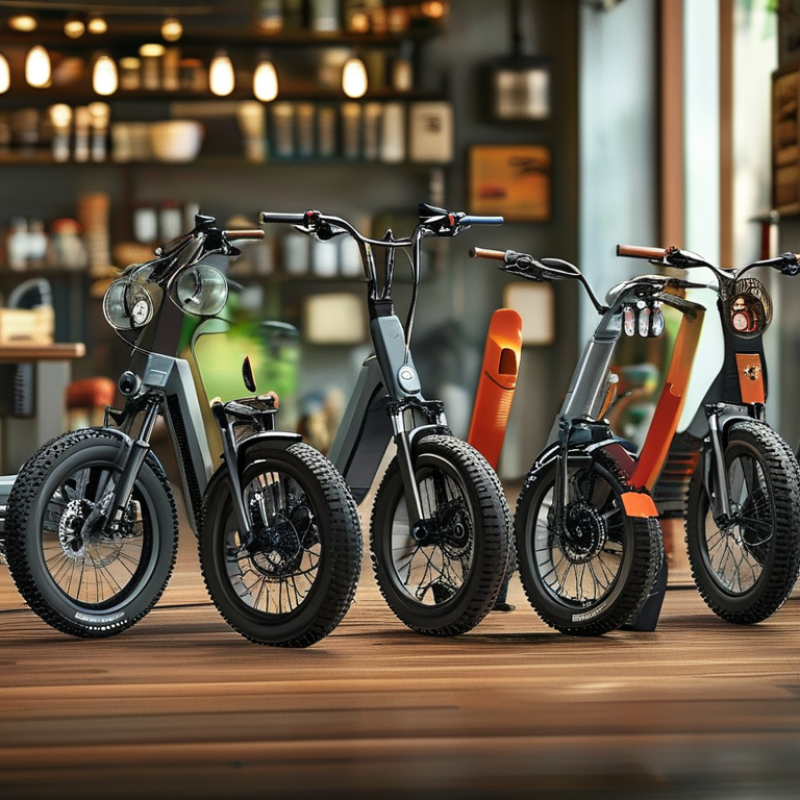
How to Choose the Right E-bike Connector for Your Needs?

Understanding E-bike Connectors: Types and Functions

E-bike connectors play a crucial role in ensuring a seamless power supply between components. Understanding the different types of connectors can greatly impact your e-bike's performance. Common types include Anderson connectors, XT60, and Molex. Each type has unique characteristics that affect current capacity, durability, and ease of use. According to a 2023 market report by the Electric Bike Association, connectors designed for high currents can handle up to 120A, making them ideal for performance-driven e-bikes.

Connectors also serve different functions. Some are designed for quick connect and disconnect, while others provide waterproof capabilities. For instance, an IP67-rated connector can resist water and dust ingress. This is essential for riders who frequently encounter wet conditions. Choosing the right connector enhances reliability. Research indicates that proper connector selection can reduce electrical resistance by up to 30%, leading to improved battery efficiency.

When selecting an e-bike connector, consider compatibility with your system. Ensure it matches the voltage and current requirements of your battery and motor. Pay attention to build quality as well. Not all connectors are made equal; subpar options can lead to overheating or failure. A good practice is to opt for connectors with robust materials like nylon or PVC, which offer durability and longevity.

How to Choose the Right E-bike Connector for Your Needs?

Connector Type Function Compatibility Advantages Drawbacks
XT60 Battery connection Compatible with most LiPo batteries High current capacity, secure connection
Anderson Powerpole Power distribution Versatile with various e-bike setups Modular design, good for high-power applications Can be larger than other connectors
JST Signal transmission Used for sensors and controllers Compact size, easy to work with Lower current capacity
Molex Power and signal connections Common in various electronics Reliable and widely used Assembly can be complex
DIN Audio and data connections Used in more advanced e-bike systems Sturdy and well-protected Bulky size

Key Factors to Consider When Choosing E-bike Connectors

When selecting an e-bike connector, several key factors demand your attention. First, consider the connector type. There are various options, such as bullet connectors and XX-type connectors. Each has a specific purpose and strength. You need to determine which type best fits your e-bike's needs. Compatibility is also crucial; using the wrong connector can lead to poor performance.

Next, think about the gauge of the wire. Thicker wires can handle more current, which might be vital for high-power e-bikes. If you opt for a thinner wire, you'll need to be cautious about the bike's power usage. Temperature rating is another point; connectors exposed to harsh environments should withstand temperature fluctuations.

Lastly, don’t overlook build quality. A connector that appears sturdy may still fail under pressure. Look for materials that resist corrosion and wear. Reflect on past experiences, and remember that a more expensive connector does not always mean better performance. Your choice can influence the bike's efficiency and longevity, so make your selection carefully.

Key Factors to Consider When Choosing E-bike Connectors

Compatibility: Ensuring Your Connector Matches Your E-bike System

When selecting an e-bike connector, compatibility is crucial. Many e-bike systems come with different connectors, and mismatching can cause serious issues. For instance, voltage differences can lead to equipment damage, while incompatible connectors may prevent proper charging. It’s essential to thoroughly check specifications before making a decision.

Understanding your e-bike's connector type is vital. Some common styles include Anderson, XT60, and others tailored to specific systems. Each connector possesses distinct features, such as size and pin arrangement. Neglecting these differences could result in frustrating experiences. Examine your current setup to ensure the new connector aligns perfectly.

Compatibility is not just about the physical connection. It’s also about performance and reliability. If you've previously used a connector that worked but later faced issues, reflecting on those experiences is wise. Relying on user reviews can provide insights, yet experiences vary significantly depending on individual setups. Assessing your unique needs is the best path to finding reliable solutions.

Durability and Weather Resistance in E-bike Connectors

When selecting an e-bike connector, durability and weather resistance are crucial factors. Connectors are exposed to various conditions, from rain to dirt. Choosing a robust connector can prevent potential failures down the road. Look for materials that resist corrosion and wear. Nylon and polycarbonate housings often perform well under harsh environmental conditions.
A well-engineered gasket can enhance weather resistance significantly. This small component ensures a tight seal, protecting against moisture and dust. However, not all connectors come with high-quality gaskets. It is essential to verify this detail to avoid problems later. Even minor design flaws can lead to significant issues, such as electrical failures.
While many connectors may appear similar, performance can vary widely. Some may withstand extreme conditions better than others. Pay attention to user reviews and industry standards when making a choice. Knowing that a connector has passed rigorous testing adds credibility to its claimed durability. This information can help you make a more informed decision, ensuring your e-bike remains reliable in any weather.

Installation and Maintenance Tips for E-bike Connectors

When selecting the right e-bike connector, proper installation and maintenance are crucial for optimal performance. A reliable connector helps ensure the battery delivers power efficiently. Take time to understand the different types available. Research how they function and their compatibility with your e-bike.

Proper care can extend the life of your connectors. Regularly inspect them for dirt or damage. Clean them gently using a microfiber cloth to avoid scratches. A dirty connector can lead to connectivity issues, affecting your ride. Ensure that all connections are secure each time you use your e-bike. Loose connections can cause intermittent power loss.

Don't overlook the importance of weather protection. If you ride in wet conditions, consider waterproof options. Even a little moisture can cause corrosion. Evaluate your riding conditions and choose connectors accordingly. A well-chosen connector, maintained properly, can enhance your e-bike experience significantly.

AVADA IT

Fusce ut ipsum tincidunt, porta nisl sollicitudin, vulputate nunc. Cras commodo leo ac nunc convallis ets efficitur.

RECENT TWEETS

CONTACT US

  • 12345 North Main Street,
    New York, NY 555555

  • 1.800.555.6789

  • sale@vibrotools.com

Go to Top