
How to Choose the Right Power Strip for Your Needs?

Choosing the right Power Strip is crucial for your electronic devices. A quality power strip can protect against surges and ensure your gadgets are safe. However, not all power strips are created equal. Factors such as the number of outlets, surge protection, and USB ports can greatly impact your experience.

Many people overlook the details when selecting a power strip. It’s essential to consider how many devices you will connect. A power strip with too few outlets can be frustrating. On the other hand, one with excessive features might be overkill for basic needs.

Understanding your specific requirements can prevent regrets later. Do you need a compact design for travel? Or, will a larger model fit better at home? Reflect on how you will use the power strip to make the best choice. This decision can enhance your charging experience while keeping your devices safe.
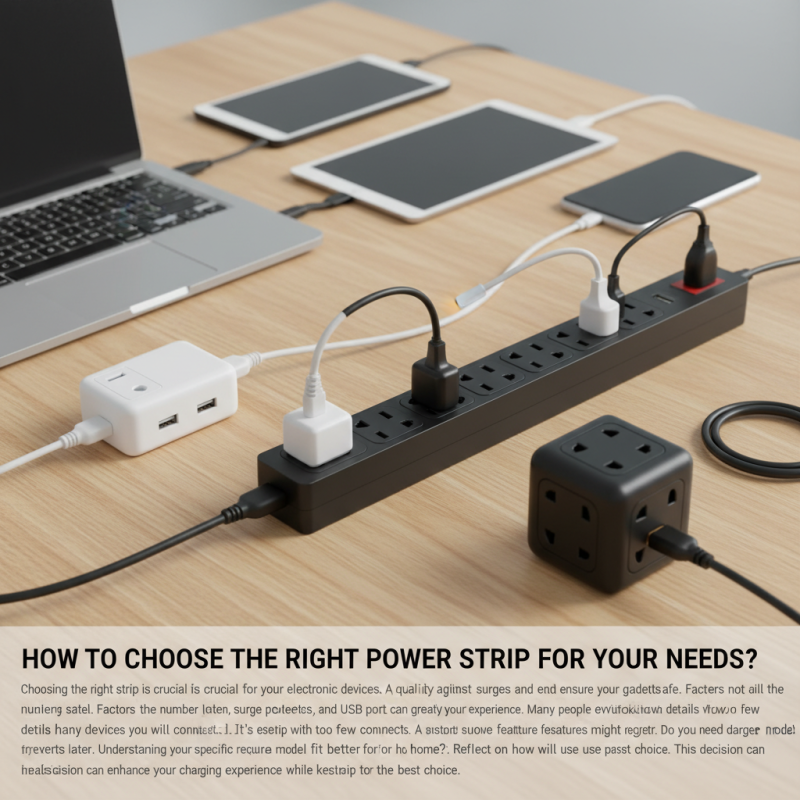
How to Choose the Right Power Strip for Your Needs?

Understanding the Basics of Power Strips and Their Functionality

Power strips are essential tools for managing multiple devices effectively. Understanding their functionality is vital for making the right choice. A power strip typically has several outlets, allowing multiple devices to connect simultaneously. This prevents the need for numerous wall sockets, which can be limited in many homes and offices. Additionally, some power strips come with built-in surge protection, safeguarding your devices against voltage spikes.

When choosing a power strip, consider the power rating and safety features. Look for strips that can handle the combined wattage of all connected devices. It's crucial to be cautious; overloading a strip can lead to overheating. Always check the quality of the materials used; cheaper options can be less reliable. Pay attention to features like USB ports for convenience. Aesthetic elements may also influence your choice, as you might prefer a corded design over a bulky model. Adjust your selection process based on specific needs, and evaluate products critically before purchasing.

Power Strip Features Comparison

This bar chart illustrates various features of power strips and their scores out of 10 based on usability and functionality. The comparison includes the number of outlets, surge protection, USB ports availability, overload protection, and cord length.

Identifying Your Power Needs: Voltage, Amperage, and Device Compatibility

When selecting a power strip, understanding voltage and amperage is crucial. Voltage refers to the electric potential difference in a circuit, while amperage measures the current flowing. Most household devices operate on standard voltages, commonly 120V in North America. However, some appliances may require specialized ratings. Checking your device’s specifications ensures compatibility and prevents overloading.

Moving beyond voltage, pay attention to amperage ratings. Each power strip has its maximum amperage limit, often marked clearly. If exceeded, it can lead to overheating or, worse, fires. For instance, casual use of multiple devices can inadvertently overload a strip. It’s essential to calculate the combined amperage of all devices plugged into one strip.

Device compatibility matters too. Some power strips offer features like surge protection or USB ports. Knowing what your devices need helps you avoid underperformance or damage. However, it's easy to overlook individual power requirements and assume a standard strip suffices. Awareness is key to making an informed choice.

Evaluating Safety Features: Surge Protection and Overload Prevention

When choosing a power strip, safety is paramount. Two essential features to look for are surge protection and overload prevention. Surge protection guards your devices against voltage spikes. These spikes can occur due to lightning or power grid issues. Without protection, your electronics may face irreversible damage.

Overload prevention is crucial too. A power strip can handle a specific load. If too many devices draw power, it can overheat or catch fire. This feature shuts off the power automatically. It ensures safety, keeping your home secure.

Tips: When assessing a power strip, check its rating. A higher joule rating means better surge protection. Look for LED indicators showing power status. Regularly inspect your strip for wear, as frayed cords can lead to hazards. Trust your instincts; if it feels hot or smells strange, unplug it immediately.

Considering the Design: Number of Outlets, Cord Length, and Portability

When choosing a power strip, pay attention to its design. The number of outlets directly impacts your versatility. A strip with multiple outlets allows you to power various devices simultaneously. Consider how many gadgets you own. If you have a home office, you might need more outlets for laptops, printers, or chargers.

Cord length is another critical factor. A shorter cord may limit placement options. However, a longer cord gives you flexibility. Make sure it reaches your wall socket comfortably. Have you experienced the frustration of a too-short cord? It's a common issue that can affect your workflow.

Portability is essential for those always on the go. Lightweight and compact designs make it easy to take along. Whether traveling for work or leisure, a portable power strip can save the day. Think about your lifestyle. You might need a power strip that fits in your bag effortlessly.

> Tip: Always check the power rating of the strip. Ensure it supports the total wattage of your devices.
> Tip: Look for strips with surge protection. This feature can safeguard your electronics from power spikes.
> Tip: Consider USB ports. They can provide added convenience for charging mobile devices without additional adapters.

How to Choose the Right Power Strip for Your Needs?

Feature Description Considerations
Number of Outlets Available outlets to accommodate multiple devices. Choose based on the number of devices you need to plug in simultaneously.
Cord Length Length of the power cord to reach outlets. Consider the distance from your outlet to your devices.
Portability Ease of carrying the power strip for travel. If you travel often, a lightweight design is preferred.
Surge Protection Protection against power surges or spikes. Essential for protecting sensitive electronics.
USB Ports Additional ports for charging devices directly. Ideal for smartphones and tablets.

Comparing Prices and Brands: Finding the Best Value for Your Budget

When selecting a power strip, understanding prices and brands is crucial. Industry reports indicate that power strip prices can vary significantly based on features. Basic models might cost as little as $10, while advanced options can reach $50 or more. Features like USB ports and surge protection increase the price, but they also add value.

It's essential to balance cost with functionality. According to a study by the National Electrical Manufacturers Association, nearly 70% of consumers select power strips based solely on price. However, investing in higher-quality strips can prevent costly damages from power surges. Many users overlook the long-term savings associated with better quality products.

Research also shows that brand reputation affects consumer choices. Reliable brands often provide warranties or guarantees, which add peace of mind. Nonetheless, some lesser-known brands offer comparable quality at lower prices. It’s worth comparing specifications rather than relying solely on brand prestige. This approach ensures you find the best fit for your budget while meeting your specific needs. Always read reviews and consult safety ratings, as these can guide better choices in power strips.

AVADA IT

Fusce ut ipsum tincidunt, porta nisl sollicitudin, vulputate nunc. Cras commodo leo ac nunc convallis ets efficitur.

RECENT TWEETS

CONTACT US

  • 12345 North Main Street,
    New York, NY 555555

  • 1.800.555.6789

  • sale@vibrotools.com

Go to Top