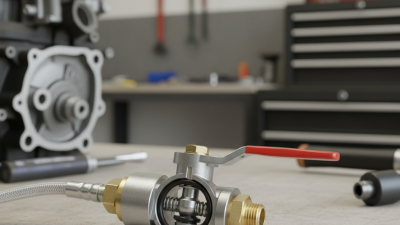
Choosing the right 4 shut off valve is crucial for both safety and efficiency. With various types available, the selection process can be overwhelming. Each valve serves a specific purpose, and understanding these distinctions can enhance functionality in your plumbing or irrigation systems.
Consider the materials, as they can impact durability and performance. Think about the pressure ratings; they determine how well the valve will function under different conditions. It is also vital to assess the size and compatibility. A mismatch could lead to leaks or other issues.
Many users overlook these details, leading to costly mistakes. Each valve has its strengths and limitations. Understanding them is key. Taking the time to research can save you from frustration later. Your choice of a 4 shut off valve can make a significant difference in your project’s success.
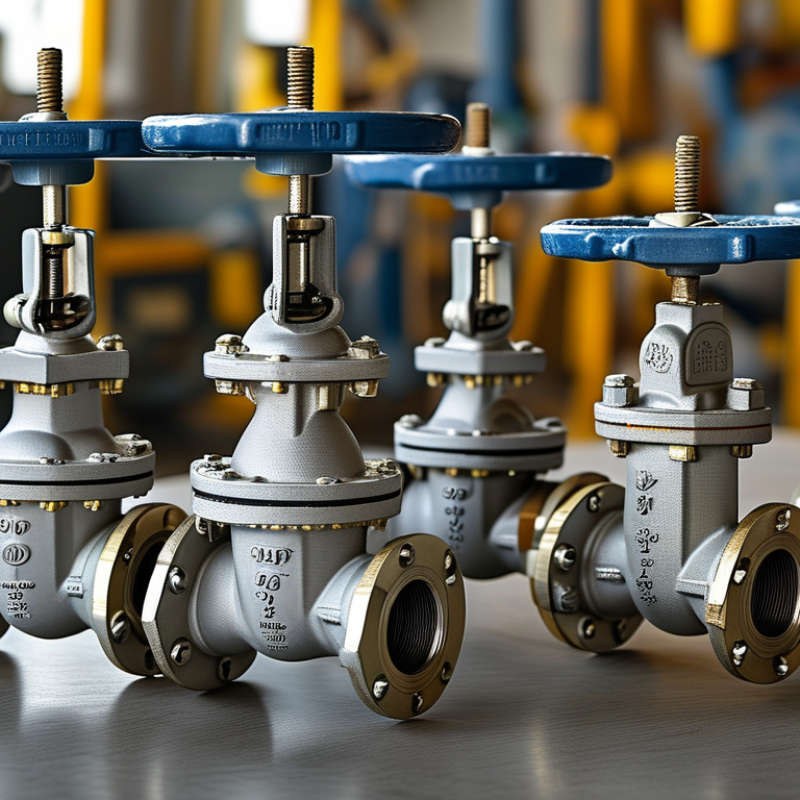
When choosing a shut-off valve, it's essential to understand the different types available. Each type serves a distinct purpose. Common options include ball valves, gate valves, and globe valves. Ball valves provide quick shut-off, making them ideal for emergency situations. Their design allows for rapid flow control but may wear out over time and fail to seal properly.
Gate valves are known for their ability to handle high flow volumes. They can control water flow effectively but are not as fast in shutting off as ball valves. If precision control is needed, globe valves are the better option. However, they can be more complicated and require more effort to operate. Decision-making hinges on the specific needs of your system.
Many users overlook pressure requirements and material compatibility. Not every valve fits all applications. Materials like PVC, brass, and stainless steel each have strengths and weaknesses. Understanding these can prevent costly mistakes. Reflecting on past experiences can guide future choices and help you avoid common pitfalls. Always think ahead before making a purchase.
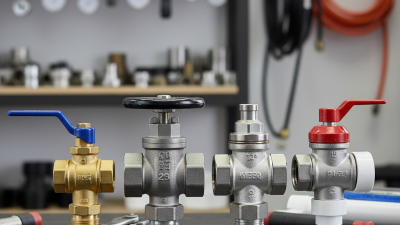
Choosing the right shut off valve can significantly impact your plumbing or industrial systems. Various factors come into play, including the valve's material. For areas prone to corrosion, stainless steel or PVC options may be ideal. These materials help ensure durability and longevity in different environments.
Another important consideration is the valve's size. Ensure it matches the pipe diameter for optimal functionality. A poorly sized valve can lead to leaks or flow issues. Always check pressure ratings as well. Overlooking this can cause safety risks or operational failures.
It’s also smart to think about the valve's ease of operation. Manual versus automated valves can affect how you manage your system. A complicated manual valve might cause inconvenience or even errors during operation. Reflecting on your specific requirements ensures you make an informed decision that meets your needs effectively.
Choosing the right size for your shut off valve is crucial. An improperly sized valve can lead to inefficiency. It may cause pressure drops or leaks. Understanding your system is key to making an informed choice.
Start by considering the pipe size. Measure the diameter carefully. A valve that is too small restricts flow. Conversely, a valve too large can waste space and money. Check the maximum flow rate for your application. For instance, residential plumbing often requires standard sizes, while industrial uses may demand custom solutions.
Don't overlook the material. Different applications require different materials. A valve made of brass or stainless steel may be ideal for water. A plastic valve may suit gas applications better. Evaluate the pressure rating too. High-pressure systems need robust valves. Taking these factors into account can prevent costly mistakes. Balancing size and type is essential for optimal performance.
When selecting a shut-off valve, choosing the right material is critical. The valve's environment greatly influences material selection. Common options include brass, stainless steel, and PVC. Each material has unique properties and uses. For instance, brass is durable and resistant to corrosion. Studies indicate that brass valves account for nearly 40% of market share due to these qualities. However, they may have limitations with certain chemicals.
Stainless steel valves also offer excellent corrosion resistance. They perform well in high-pressure conditions. According to a report by a leading industry analyst, stainless steel valves are projected to grow at a rate of 5.4% annually. Yet, their higher cost might not be suitable for every budget. PVC is lightweight and easy to install but has lower temperature resistance. It’s ideal for home applications but limited in commercial use.
Choosing the wrong material can lead to failures. Consider environmental conditions like temperature, pressure, and potential chemical exposure. For example, a valve made of PVC in a high-temperature setting may fail prematurely. This not only results in costly replacements but can also create safety hazards. Evaluating specific application requirements is essential for optimal performance.
Choosing the right shut off valve is crucial for various applications. Whether you’re dealing with water systems, gas lines, or any other fluid transfer, different valves suit different needs. The most common use cases for shut off valves include residential plumbing, industrial systems, and HVAC setups. Each environment has unique requirements, making it vital to understand the specific function you aim to achieve.
For residential plumbing, shut off valves typically control the water supply to fixtures. These valves can prevent water damage during repairs. In industrial settings, valves often manage the flow of hazardous materials. Incorrect selection can lead to leaks or pressure failure. Careful assessment of the environment and materials in use is necessary.
Tips: Always consider the medium being controlled. Ensure compatibility to avoid damage. Regular maintenance checks can prevent unexpected failures. Sometimes, the best choice might not be the most obvious one. Don’t overlook the importance of consulting industry standards. This can provide insights into the best practices and help avoid costly mistakes.
© Copyright 2025 | LittleFirefighter.com | All Rights Reserved | 1EZ Creative: Orange County Web Design

Fusce ut ipsum tincidunt, porta nisl sollicitudin, vulputate nunc. Cras commodo leo ac nunc convallis ets efficitur.

12345 North Main Street,
New York, NY 555555
1.800.555.6789
sale@vibrotools.com