Choosing the right shutoff valve is crucial for efficient plumbing systems. According to the American Society of Plumbing Engineers, improper valve selection can lead to leaks, pressure loss, and even system failures. More than 30% of household water wastage can be traced back to faulty valves. This statistic underlines the importance of making informed choices.
When faced with various types of shutoff valves, understanding their functions is key. Sourcing from reliable manufacturers ensures durability and performance. The right valve can significantly enhance the longevity of your plumbing infrastructure. However, many people overlook details like compatibility and pressure ratings. This oversight can lead to costly repairs down the line.
In reflecting upon your specific plumbing needs, consider the environment and usage requirements. Each residential or commercial setting has unique factors influencing valve selection. A tailored approach not only promotes efficiency but also enhances your plumbing system’s reliability and performance over time.
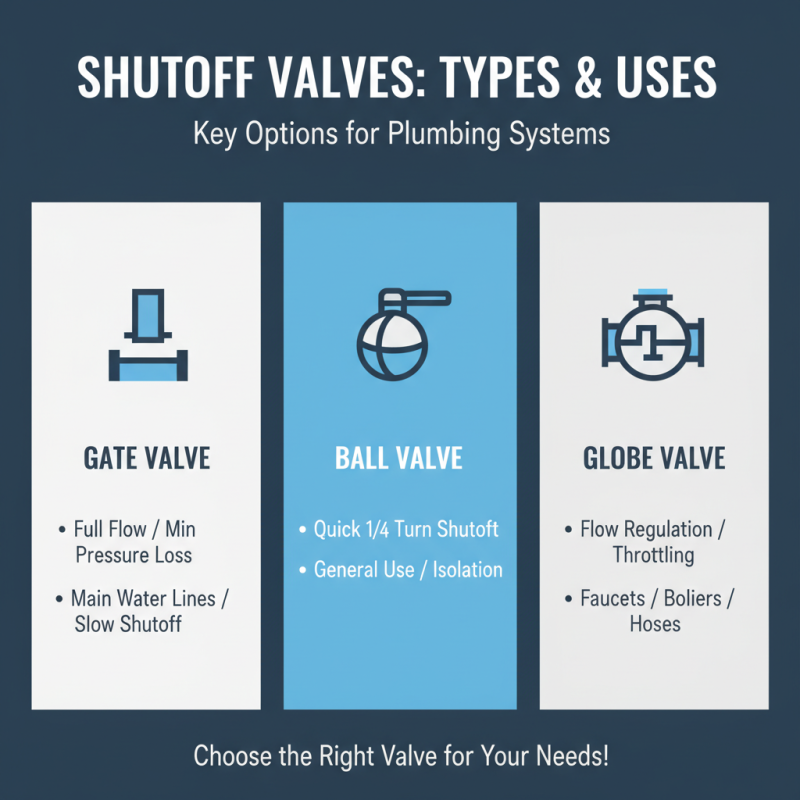
When selecting a shutoff valve, it's essential to understand the variety of options available. Common types include gate valves, ball valves, and globe valves. Each type has a specific function and usability in plumbing systems. For example, gate valves are ideal for full flow and minimal pressure loss. They are often used in main water lines but can be less effective in quick shutoff situations.
Ball valves are popular for their quick operation. They provide an excellent seal with minimal flow resistance. When you need to stop water flow quickly, they are often the go-to choice. Globe valves, while versatile, can create more resistance due to their design. They regulate flow well but are not optimal for applications requiring swift shutoff.
Consider the material of the valve too. Brass, PVC, and stainless steel are common choices, each with its own durability and application context. Assess your environment carefully. Will the valve be exposed to high temperatures or corrosive materials? It can be tricky to make a choice when balancing cost, durability, and functionality. Take your time. The right valve can enhance your plumbing system's reliability and performance.
Evaluating your plumbing system requirements is crucial when selecting the right shutoff valve. Begin by understanding the layout of your plumbing. Identify where you need control points. Isolate the specific areas, like bathrooms, kitchens, or outdoor connections. Knowing these zones will guide your choice effectively.
Consider the type of fluid in your system. Water is the standard, but it may vary in pressure and temperature. Are there instances of high pressure? Assessing this can affect the valve selection. Take some time to review past leaks or performance issues in your plumbing. Past experiences can highlight which valves may be more reliable for your needs.
Material is another important aspect. Brass, PVC, or stainless steel are common options. Each material has its strengths and weaknesses. Environmental conditions can impact durability too. Don’t overlook the fitting sizes; incorrect sizes can lead to leaks or inefficiencies. Adjusting to these details can lead to a more suitable choice. Aim to have a clear understanding before making a final decision.
Choosing the right shutoff valve for plumbing may seem simple. However, material compatibility plays a crucial role. Different materials interact uniquely with water and other substances. Selecting the wrong valve might lead to leaks or faulty connections.
Brass, PVC, and stainless steel are common materials. Brass valves resist corrosion and offer durability. They work well with both hot and cold water. PVC is lightweight but best for cold water systems. Stainless steel is strong and suitable for various applications.
Tips: Always consider the environment of use. Extreme temperatures can impact valve performance. Look for valves rated for your specific needs. Regular maintenance checks can prevent unexpected failures. Don’t overlook small details; even minor mismatches can lead to significant issues.
When selecting a shutoff valve, understanding the valve size and pressure rating is crucial. The valve size must match the pipe diameter. A mismatch can lead to leaks or reduced flow. According to industry reports, valves sized incorrectly can reduce efficiency by up to 30%. It is essential to measure the existing pipe size for a proper fit.
Pressure ratings are equally important. Each valve comes with a specific pressure rating, indicating the maximum pressure it can handle. Many homes operate at water pressures between 40 to 60 PSI. Using a valve with a lower pressure rating can result in failure or leaks. Always check the valve specifications against the system's requirements.
While making your choice, consider installation location and usage frequency. A valve that is located in hard-to-reach areas may require more durable materials. Many professionals recommend brass or stainless steel for longevity. Remember that even small factors can affect performance. Proper evaluation of size and pressure ensures long-term reliability for your plumbing system.
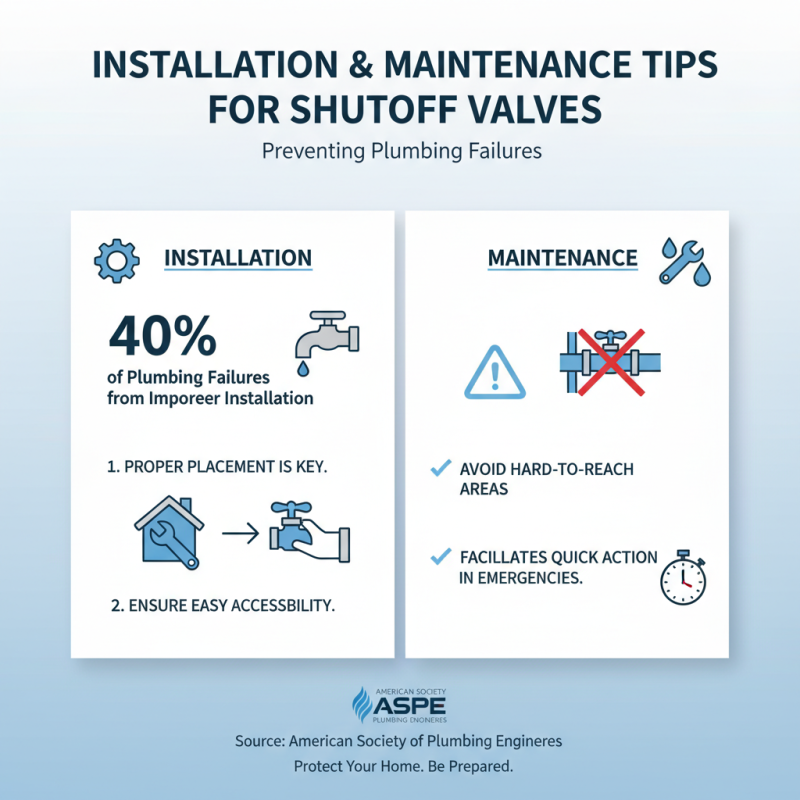
When installing shutoff valves, proper placement is key. According to the American Society of Plumbing Engineers, about 40% of plumbing failures stem from improper valve installation. Ensure valves are easily accessible. This facilitates quick action during emergencies. Avoid placing valves in hard-to-reach areas, as they can lead to further water damage.
Regular maintenance is essential for valve longevity. A study by the Plumbing Manufacturers International indicates that 30% of homeowners neglect routine inspections. Regularly check for leaks, rust, or corrosion. Tightening connections can prevent leaks. Additionally, it’s wise to operate the valve periodically. This helps prevent the valve from seizing and ensures smooth operation.
Consider the material of the valves, as it affects durability and performance. Brass and stainless steel are commonly recommended for their longevity. However, they can corrode under certain conditions. It’s important to check your water quality. High mineral content can lead to quicker deterioration of metal valves. Pay attention to any signs of wear. Timely replacements can save costly repairs down the line.
© Copyright 2025 | LittleFirefighter.com | All Rights Reserved | 1EZ Creative: Orange County Web Design

Fusce ut ipsum tincidunt, porta nisl sollicitudin, vulputate nunc. Cras commodo leo ac nunc convallis ets efficitur.

12345 North Main Street,
New York, NY 555555
1.800.555.6789
sale@vibrotools.com