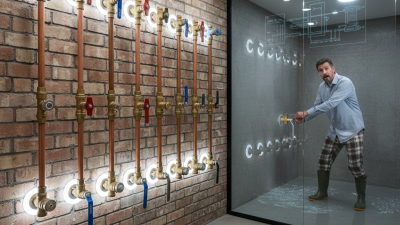
Choosing the right water heater can significantly affect your home’s energy efficiency and comfort. According to a report by the Department of Energy, water heating accounts for approximately 18% of your household energy use. This highlights the importance of making an informed choice.
Expert John Smith, a prominent figure in the water heater industry, emphasizes, “Selecting the correct water heater can lead to substantial savings in both energy bills and maintenance costs.” Homeowners often overlook the long-term benefits of their choice. It’s not just about initial cost; efficiency ratings and fuel types can influence overall performance.
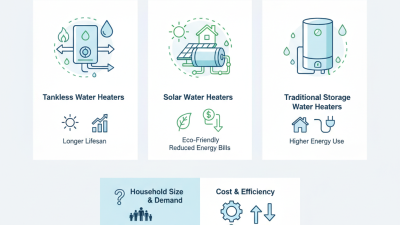
Furthermore, with various types of water heaters available, such as tankless and traditional models, it's crucial to consider factors like household size and hot water demand. Many homeowners may rush their decision, leading to potential dissatisfaction later. Investing time in research could prevent future complications.
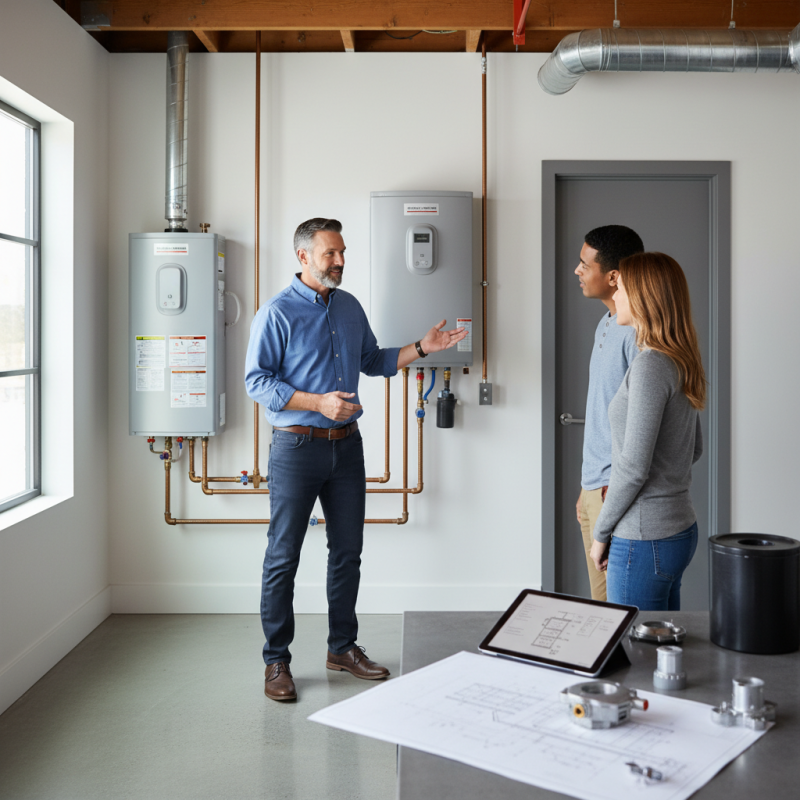
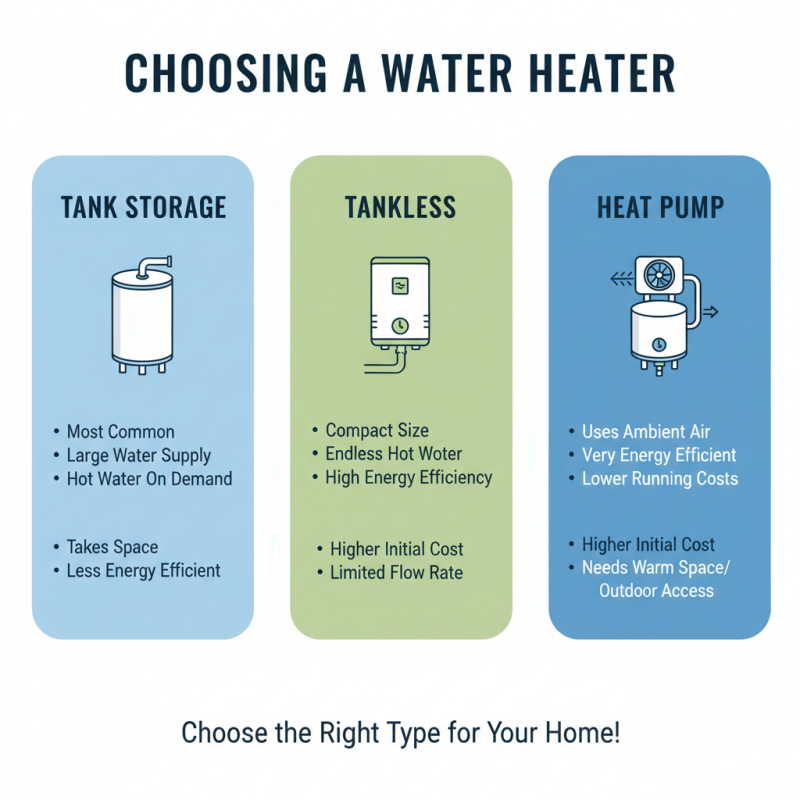
When choosing a water heater, it’s essential to understand the different types available. There are three main categories: tank storage, tankless, and heat pump water heaters. Tank storage heaters are the most common. They store a large amount of water and can provide hot water on demand. However, they take up significant space and can be less energy efficient.
Tankless water heaters are becoming increasingly popular. They heat water directly without using a storage tank. This means you can enjoy hot water on demand without waiting. Yet, they might struggle to meet the simultaneous demand of multiple outlets. Heat pump water heaters use electricity to move heat from the air or ground to heat water. These systems are energy-efficient but can be less effective in colder climates.
Each type has advantages and drawbacks. It’s vital to assess your household's hot water needs and space availability. A poorly chosen heater can lead to higher utility bills or insufficient hot water supply. Reflect on your lifestyle and how much hot water you truly need daily. Consider these factors carefully before making a decision.
When evaluating your household hot water demand, consider your daily routines. Do you have a large family? If so, the demand for hot water can be significant. Morning showers, laundry, and dishwashing can overlap, leading to a shortage. Take notes on your peak usage times. This can help you understand your needs better.
Usage patterns play a crucial role too. Do you enjoy long baths? Or perhaps you prefer quick showers? Each activity has different hot water requirements. If you frequently entertain guests, factor in their needs as well. This may reveal gaps in your hot water supply. You'll need to think about comfort and convenience.
Remember, the balance between supply and demand is not always perfect. You may buy a water heater only to find it doesn’t meet your needs. This could lead to frustration during high-demand times. Therefore, take the time to reflect on your consumption habits before making a final choice. It’s better to be a bit over-prepared than to regret your decision later.
When selecting a water heater, size and capacity are critical. A smaller household may need only a 30-gallon tank, while larger families may require a 50-gallon or more. Consider your daily hot water usage. Showers, dishwashing, and laundry can drain your supply quickly.
Think about peak usage times. If everyone showers in the morning, a larger capacity will help. On the other hand, oversizing can lead to energy waste. Assess your needs honestly. If you rarely heat water, a tankless model could be beneficial, providing hot water on demand.
Don’t forget about energy efficiency. It’s often tempting to choose the cheapest model. However, neglecting energy ratings can lead to higher bills. Balance initial costs with long-term savings. Reflect on your choices. Each home is unique; one size doesn’t fit all.
| Factor | Description | Recommended Size | Capacity (Gallons) |
|---|---|---|---|
| Household Size | Number of people using hot water | 2-3 People | 30-40 |
| Hot Water Demand | Peak usage times and types of appliances | 4-5 People | 40-50 |
| Energy Efficiency | Energy Factor rating of the heater | 5+ People | 50-80 |
| Space Availability | Location for installation | Compact Size | 20-30 |
| Fuel Type | Natural gas, electric, propane, etc. | Electric and Gas | Varied |
| Budget | Initial cost versus long-term utility costs | Mid Range | Varied |
Choosing the right water heater is crucial for your home. Energy efficiency ratings matter. They indicate how well a water heater converts fuel into hot water. A higher rating means better efficiency. This can save money on utility bills over time.
Consider the energy source: electric, gas, or solar. Each type has different efficiency ratings. For example, electric heaters might have higher efficiency numbers but can be more expensive to operate depending on local rates. Research the costs and benefits of each option.
Tips: Look for models with ENERGY STAR labels. These meet strict efficiency criteria. Also, assess your household's hot water needs. A unit too large may waste energy, while one too small can leave you in cold water unexpectedly. Balancing these factors is key for a sustainable choice.
When budgeting for a water heater, start with understanding the overall costs. Prices can vary widely based on type and capacity. Consider your water usage daily. A larger family may need a bigger unit, which can increase installation costs. Research installation fees in your area. Sometimes, hiring professionals can push your budget higher than expected.
Tips: Look for discounts or rebates from local utilities. These programs can ease the financial burden. Plan for additional expenses, like permits. They might surprise you. Always leave room in your budget for unexpected repairs after installation.
Don’t forget long-term costs. Energy efficiency plays a big role in your monthly bills. Assess the estimated running costs for different models. Sometimes, cheaper upfront options cost more over time. Make thoughtful comparisons. Finding the right balance between initial costs and long-term savings is key.
© Copyright 2025 | LittleFirefighter.com | All Rights Reserved | 1EZ Creative: Orange County Web Design

Fusce ut ipsum tincidunt, porta nisl sollicitudin, vulputate nunc. Cras commodo leo ac nunc convallis ets efficitur.

12345 North Main Street,
New York, NY 555555
1.800.555.6789
sale@vibrotools.com