In today's industrial landscape, commercial gas plays a pivotal role, powering a variety of sectors from manufacturing to hospitality. As businesses increasingly seek sustainable and efficient energy solutions, understanding the dynamics of commercial gas is essential. This energy source, primarily derived from natural gas, is favored for its cost-effectiveness and lower carbon footprint compared to other fossil fuels.
The functionality of commercial gas extends beyond mere energy supply; it supports processes such as heating, cooking, and even electricity generation for various commercial applications. As industries continue to adapt to a rapidly changing market, the integration of commercial gas solutions not only enhances operational efficiency but also aligns with wider environmental goals. This exploration will delve into the workings of commercial gas, its significance in today's industry, and the advancements that are shaping its future.

Commercial gas refers to natural gas used primarily for commercial purposes, including heating, cooking, and powering various industrial processes. Unlike residential gas, which is typically used in homes, commercial gas is supplied to larger facilities such as restaurants, hotels, and manufacturing plants. This gas is delivered via an extensive network of pipelines, allowing businesses to access a reliable and efficient energy source for their operations.
One of the key features of commercial gas is its efficiency compared to other energy sources. It burns cleaner than coal or oil, producing fewer greenhouse gas emissions, which is increasingly important as businesses strive to meet sustainability goals. Additionally, commercial gas is generally more cost-effective, providing companies with the ability to manage their energy expenses effectively. As industries evolve, the role of commercial gas becomes even more significant, supporting innovations and advancements in various sectors while fulfilling the energy needs of a growing economy.

Commercial gas plays a pivotal role in various industries, powering everything from manufacturing plants to large commercial kitchens. It is primarily sourced from natural gas reserves, which are extracted and processed to meet the energy demands of businesses. According to industry reports, the global natural gas market was valued at approximately $1.5 trillion in 2021 and is projected to grow significantly due to increasing energy demands. The primary sources of commercial gas include conventional gas fields, shale gas, and associated gas from oil production, reflecting a diverse energy portfolio that ensures reliable supply.
The production of commercial gas involves a series of steps, from exploration and drilling to processing and distribution. Advanced extraction technologies, such as hydraulic fracturing and horizontal drilling, have increased the efficiency of gas retrieval, particularly from shale formations. A report by the International Energy Agency highlights that shale gas production alone accounted for nearly 70% of total U.S. natural gas production in recent years. This technological advancement not only enhances supply but also drives down costs, making commercial gas a competitive energy source for businesses worldwide.
Tips: When considering commercial gas for your operations, it’s essential to assess your energy needs and engage with reliable suppliers who can provide stable pricing and quality service. Additionally, exploring renewable gas options, such as biogas, can offer sustainable alternatives while fulfilling regulatory requirements. Finally, regular maintenance and upgrades of gas-related equipment can improve efficiency and safety in your facility.
Commercial gas plays a vital role across various industries, providing energy solutions that power processes and equipment essential for daily operations. In the manufacturing sector, for instance, commercial gas is predominantly used for heating, powering machinery, and even in production processes such as metalworking and food manufacturing. Its efficiency and high energy output make it an ideal choice for high-demand environments, enabling companies to maintain productivity while keeping operational costs manageable.
In the hospitality industry, commercial gas is crucial for ensuring high-quality services. Gas-powered appliances, such as ovens, stoves, and water heaters, are fundamental in restaurants and hotels, where cooking and customer comfort are paramount. Moreover, in the healthcare sector, commercial gas is employed for various applications, including sterilization processes and heating in hospital facilities. The versatility of commercial gas allows it to adapt to the specific needs of different industries, making it an indispensable resource in modern commercial operations.
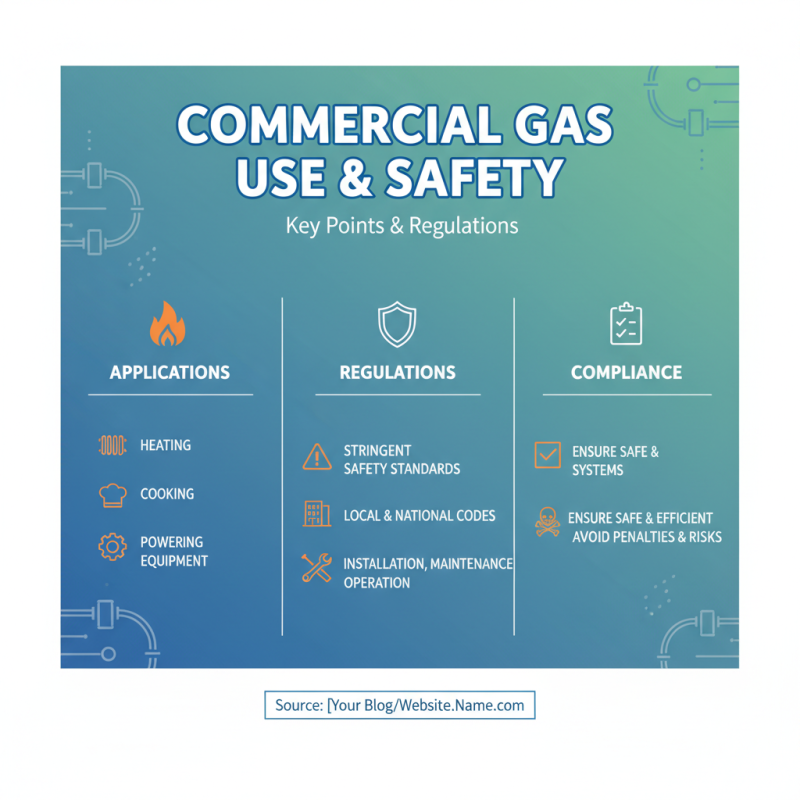
Commercial gas is widely utilized across various industries for heating, cooking, and powering equipment. However, its use is subject to stringent regulations and safety standards designed to ensure the safe and efficient operation of gas systems. Organizations and businesses must adhere to local and national codes that govern the installation, maintenance, and operation of commercial gas appliances and infrastructures.
Regulatory bodies enforce standards that dictate how commercial gas must be handled to minimize risks such as leaks, explosions, and carbon monoxide poisoning. These standards require regular inspections and maintenance routines, which help in identifying potential hazards before they escalate into serious incidents. Additionally, technicians responsible for the installation and servicing of gas systems are often required to obtain specific certifications, ensuring that they possess the necessary skills and knowledge to work safely with gas technologies. Compliance with these regulations not only enhances safety but also promotes a culture of responsibility within the industry, fostering trust among consumers and workers alike.
The commercial gas industry is on the cusp of significant transformation driven by technological advancements and changing energy policies. One prominent trend is the increasing adoption of renewable gas sources, such as biogas and hydrogen. As industries strive to reduce their carbon footprints, the integration of these cleaner alternatives into existing infrastructure is becoming more common. This shift not only meets regulatory demands but also aligns with the growing consumer preference for sustainable energy solutions.
Another key trend shaping the future of commercial gas is the digitization of operations. Advanced analytics, IoT devices, and automation technologies are being implemented to improve efficiency and safety in gas distribution systems. By leveraging real-time data, companies can optimize their supply chains, reduce waste, and enhance monitoring of gas usage across various sectors. This focus on technology will not only streamline operations but also enable businesses to respond more effectively to fluctuations in demand, ultimately leading to a more resilient energy landscape.
| Dimension | Data |
|---|---|
| Type of Commercial Gas | Natural Gas, Propane, Butane |
| Primary Uses | Heating, Cooking, Industrial Processes |
| Key Industries | Hospitality, Manufacturing, Healthcare |
| Environmental Impact | Lower CO2 emissions compared to coal, Methane leakage concerns |
| Future Trends | Increased efficiency, Renewable gas integration, Smart technologies |
© Copyright 2025 | LittleFirefighter.com | All Rights Reserved | 1EZ Creative: Orange County Web Design

Fusce ut ipsum tincidunt, porta nisl sollicitudin, vulputate nunc. Cras commodo leo ac nunc convallis ets efficitur.

12345 North Main Street,
New York, NY 555555
1.800.555.6789
sale@vibrotools.com