Top 5 Concrete Batching Plant Process Tips for Buyers?

When considering a Concrete Batching Plant Process, buyers face unique challenges. Understanding the intricacies of this process is vital for making informed decisions. It's not just about choosing equipment; it's about optimizing efficiency and quality.

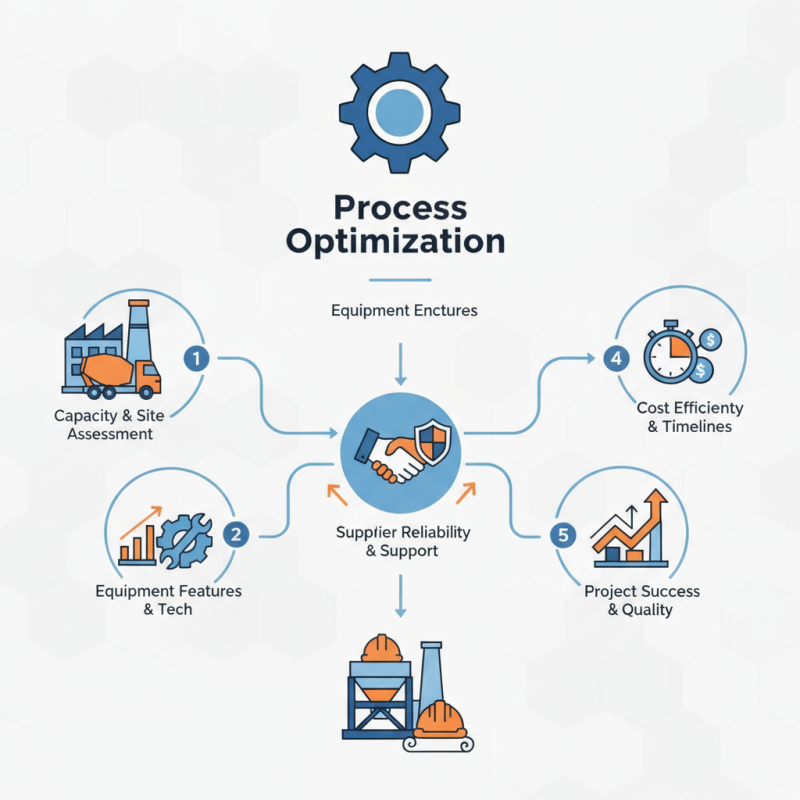
Many buyers overlook key factors in their selection process. It's essential to have a clear understanding of capacity needs and site requirements. The right batching plant can influence the overall productivity of construction projects.

Mistakes can lead to costly delays and inefficiencies. Buyers must educate themselves on the features of different batching plants. Assessing supplier reliability and service support is equally crucial. Ultimately, a well-planned Concrete Batching Plant Process can significantly impact your project’s success.
Top 5 Concrete Batching Plant Process Tips for Buyers?

Understanding the Basics of Concrete Batching Plants

Concrete batching plants are essential for producing high-quality concrete. Understanding their basic components is crucial for buyers. A typical batching plant includes aggregate bins, mixers, and a control system. These parts work together to ensure the efficient production of concrete. Each component directly impacts the quality and consistency of the final product.

One common challenge is the calibration of the plant. Miscalibrated equipment can lead to inconsistencies in the concrete mix. Buyers need to prioritize equipment that allows easy calibration and maintenance. Additionally, the selection of materials plays a vital role. Poor-quality aggregates can compromise the strength of the concrete. It's essential to source materials from reliable suppliers.

Investing in a batching plant is a significant decision. Buyers must consider factors like production capacity and energy consumption. While some features may seem beneficial, they can complicate operations. Reflect on the long-term operational costs versus initial savings. Making informed choices is critical to ensuring the plant meets your production needs effectively.

Evaluating Key Features and Specifications for Your Needs

When choosing a concrete batching plant, evaluating key features is crucial. Start by examining the production capacity. Identify your project needs to find the right size. A plant that’s too small can delay operations, while an oversized one may waste resources. Consider the mixing technology employed. Some processes yield better consistency in concrete quality than others, influencing the final product.

Another essential feature is automation. A fully automated system can enhance efficiency and reduce labor costs. However, it is vital to understand the learning curve involved. Simplicity might suit smaller projects, while larger operations may benefit from advanced controls. Durability is a concern, too. The materials used in the plant's construction will affect its lifespan and maintenance needs. Regular inspections are necessary to prevent breakdowns.

Don’t overlook the importance of support services. After-sales support can save time and resources. A plant may be impressive, but if parts are hard to source, it can lead to costly downtimes. Research customer experiences and reviews. They often reveal useful insights that specifications cannot. Balancing these features against your project requirements can lead to a more informed decision.

Analyzing the Cost vs. Quality Ratio in Equipment Selection

When selecting concrete batching plants, the cost versus quality ratio is crucial. Buyers often focus solely on price. However, lower-priced equipment may lead to higher operational costs later. Investing in quality machinery can result in better durability and efficiency. This choice often pays off in the long run.

Consider that high-quality plants usually feature advanced technology. This enhances mixing precision and reduces waste. Cheaper options, while appealing, can compromise these aspects. They might not meet project requirements consistently. It's vital to evaluate the total cost of ownership rather than just the initial price tag.

Lastly, ensure that your supplier has a strong reputation. Researching their customer reviews can provide essential insight. Don’t overlook warranty and service support either. A poor choice now could lead to costly repairs and delays in the future. Buyers must reflect on their long-term needs versus short-term savings.

Top 5 Concrete Batching Plant Process Tips for Buyers

Implementing Efficient Workflow and Process Optimization

Efficient workflow and process optimization are crucial in the concrete batching plant industry. Streamlining operations can lead to significant time and cost savings. For instance, consider the layout of the plant. A logical arrangement minimizes transportation time between stages. Proper placement of mixers, aggregate bins, and silos enhances productivity. Each second counts in high-demand environments.


Automation is another key element. Implementing technology can reduce human error and ensure consistency in mixture quality. However, it’s important to find a balance. Over-reliance on automation could ignore the nuances of manual inspections. Human judgment often detects issues that machines overlook. Regularly revisiting automation strategies will foster improvement.


Training is vital. Staff should be well-versed in both machinery and process management. Without proper training, mistakes become frequent. Regular skills assessments can reveal knowledge gaps. Emphasizing continuous education ensures everyone is up to date with the latest best practices. Creating an adaptable workforce can make a significant difference in a facility's overall efficiency.

Considering After-Sales Support and Maintenance Options

After-sales support and maintenance are critical aspects for buyers of concrete batching plants. According to a report by the National Ready Mixed Concrete Association (NRMCA), over 30% of plant downtime is attributed to maintenance issues. This statistic underscores the importance of a solid maintenance plan.

Buyers should ensure their supplier offers comprehensive after-sales support. This includes training for operators and quick access to spare parts. A study by the American Concrete Institute indicates that streamlined support can reduce repair times by up to 25%. Additionally, having a solid maintenance schedule can help identify potential issues before they escalate, saving both time and money.

However, not all suppliers provide adequate support. It is essential for buyers to research and verify the reliability of after-sales services. Seeking testimonials and case studies can provide insights into a supplier’s commitment to maintenance. Effective communication with the supplier can foster a more reliable relationship, ensuring that your concrete batching plant operates efficiently over time.

Top 5 Concrete Batching Plant Process Tips for Buyers

Tip Description After-Sales Support Maintenance Options
1. Evaluate Production Capacity Choose a plant that meets your project's demands. 24/7 support hotlines available for urgent issues. Scheduled maintenance plans offered semi-annually.
2. Check Material Compatibility Ensure the plant can handle the materials you intend to use. Dedicated technical support for material inquiries. On-site training for operation and maintenance procedures.
3. Assess Automation Level Automated systems can enhance efficiency and reduce errors. Remote monitoring solutions provided. Annual check-ups included in maintenance contracts.
4. Investigate Energy Efficiency Energy-efficient plants reduce operating costs. Support for optimizing energy use available. Energy audits offered periodically.
5. Prioritize Safety Features Look for safety certifications and built-in safety measures. Safety training sessions available for operators. Emergency maintenance support provided.

AVADA IT

Fusce ut ipsum tincidunt, porta nisl sollicitudin, vulputate nunc. Cras commodo leo ac nunc convallis ets efficitur.

RECENT TWEETS

CONTACT US

  • 12345 North Main Street,
    New York, NY 555555

  • 1.800.555.6789

  • sale@vibrotools.com

Go to Top