
How to Use a Hollow Bit for Efficient Drilling?

In the world of drilling, the "Hollow Bit" stands out for its efficiency and precision. Industry expert John Smith emphasizes, “Using a Hollow Bit can transform your drilling experience.” This statement reflects the essence of its design and functionality.

Hollow Bits are crucial tools for achieving clean holes in various materials. They remove debris while drilling, ensuring a smooth process. However, using a Hollow Bit effectively requires skill and understanding. Many users struggle with the correct techniques, leading to inefficiencies.

To maximize the advantages of a Hollow Bit, proper technique is essential. The speed, pressure, and angle of drilling all impact performance. Small adjustments can make a big difference. Remember, mastering the use of a Hollow Bit is a journey. It's important to learn from mistakes and refine your approach. Drilling with a Hollow Bit can be rewarding with consistent practice.
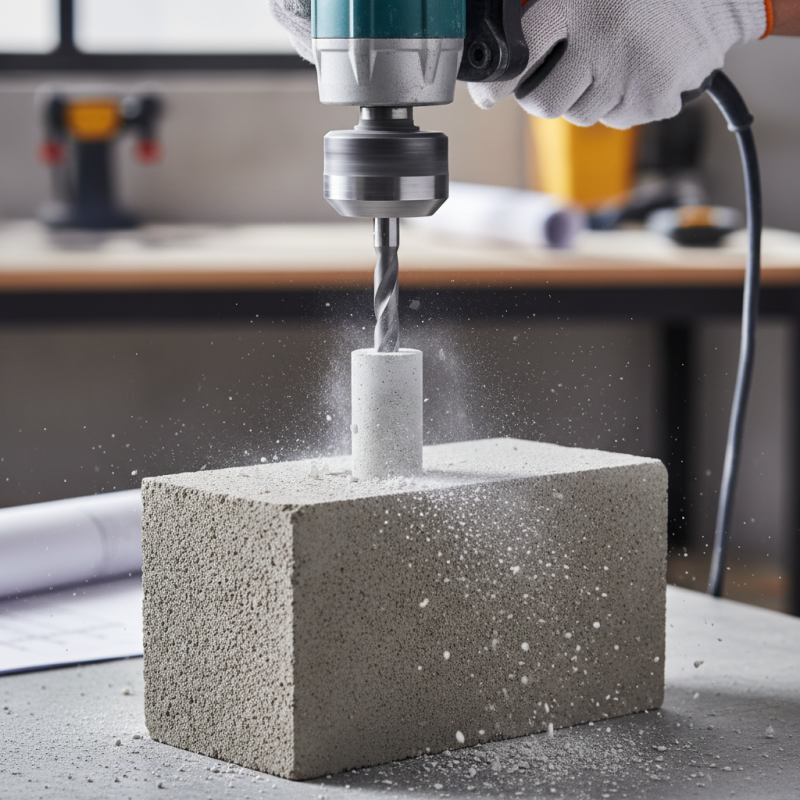
How to Use a Hollow Bit for Efficient Drilling?

Understanding the Basics of Hollow Bits in Drilling

Hollow bits play a crucial role in efficient drilling. They are designed to remove debris during the drilling process. Their unique structure allows for fewer blockages, enhancing overall performance. Studies show that using hollow bits can increase drilling speed by up to 25%. This is significant when compared to traditional solid bits.

In the industry, improper use of hollow bits can lead to severe challenges. For instance, a hollow bit can become clogged if used in the wrong material or at incorrect speeds. Operators must ensure the bit is appropriate for the drilling conditions. The drilling angle also matters. An improper angle can decrease efficiency and increase wear on the bit.

Remember, not all hollow bits are the same. Some are designed for soft materials, while others excel in hard rock. Choosing the right type is vital. Unfortunately, many users skip this step, leading to complications. Research indicates that oversight in bit selection can reduce efficiency by 30%. Hence, understanding the basics of hollow bits is essential for effective drilling.

Selecting the Right Hollow Bit for Your Project

Selecting the right hollow bit is crucial for efficient drilling. Different projects demand different types of bits. For woodworking, choose bits with sharp edges. They create cleaner holes in softer materials. For masonry, opt for bits designed with stronger materials. These withstand tougher conditions.

Consider the size of your project. Smaller bits work well for intricate designs. Larger bits are suitable for deeper, wider holes. Think about the type of drill you have, too. Not all bits fit every drill. Ensure compatibility to avoid frustrating mishaps.

It’s important to think about the depth you need. Some bits are limited in how deep they can drill. If you require deeper holes, look for extended hollow bits. Review your needs before starting. Sometimes, mistakes happen. Choosing the wrong bit can waste time and resources. Start with a clear plan to avoid these issues.

Hollow Bit Efficiency Comparison

Preparing Your Drill and Material for Hollow Bit Use

Preparing your drill and material for hollow bit use involves careful attention to detail. Start by ensuring your drill is set up correctly. Check the power settings and speed. Hollow bits operate best at moderate speeds. If the speed is too high, it may cause overheating. Choose a drill that fits comfortably in hand, as control is essential for accurate drilling.

Next, consider the material you'll be drilling into. Hollow bits work well with wood and soft metals. For harder materials, such as concrete or dense hardwoods, a pre-drilling step might be necessary. Inspect the surface. Any irregularities can lead to issues during drilling. A clean, flat surface will yield better results.

Always keep the hollow bit lubricated. This reduces friction and enhances performance. If a hollow bit gets stuck, take a moment to reassess your technique. Sometimes, the drill may need a slight adjustment in angle. Practice is vital. Each bit has a unique feel, and it can take time to master their use. Remember, experience shapes skill.

How to Use a Hollow Bit for Efficient Drilling?

Material Type Recommended Speed (RPM) Feed Rate (in/min) Lubrication Method Bit Size (inches)
Wood 1500 - 2000 8 - 12 None 3/8
Soft Metal 400 - 600 4 - 6 Oil 1/2
Hardwood 800 - 1200 6 - 10 Water-based lubricant 3/4
Plastic 1000 - 1500 5 - 8 Air cooling 5/8
Concrete 300 - 500 1 - 3 Water 1

Step-by-Step Guide to Using a Hollow Bit Effectively

Using a hollow bit can significantly enhance your drilling efficiency. Start by selecting the right bit size for your project. A bit that's too large may damage your material. A bit that's too small won't create the desired hole. Take your time to measure twice before drilling. It's a small step that saves you from making errors later.

When you're ready to drill, mark your spot clearly. This will ensure accuracy. Secure the material tightly in a vice or clamps. Unstable materials can shift and ruin your work. As you drill, apply consistent pressure. Be mindful of your technique. If you notice the bit binding, pause and reassess your approach. Rushing can lead to mistakes.

Clean out the debris regularly while drilling. A clogged bit can overheat and break. Keep a small brush handy for this reason. Remember, practice makes perfect. Even experienced users face challenges. Each drilling project offers lessons. Reflect on what works and what doesn't. Embrace the process of learning as you go.

Common Mistakes to Avoid When Drilling with Hollow Bits

Drilling with hollow bits can be efficient, but there are common mistakes to avoid. One frequent error is applying too much pressure. This can cause the bit to bind. When the bit binds, it creates a risk of damaging both the bit and the material. Focus on a steady pressure instead.

Another mistake is failing to maintain an appropriate speed. A high speed might seem effective, but it can lead to overheating. Overheating can affect the bit's lifespan and performance. Slower speeds often yield better results. Allow the bit to do the work; don't rush the process.

Tips: Always keep the bit lubricated to reduce friction. Use a back-and-forth motion while drilling. This helps in clearing debris and enhances cutting efficiency. Remember to inspect the bit regularly. A worn-out bit will not perform well. These small adjustments can prevent major issues.

It's important to reflect on your technique regularly. Analyze your mistakes; learn from them. Every drill hole should teach you something new. The goal is to improve with each project.

AVADA IT

Fusce ut ipsum tincidunt, porta nisl sollicitudin, vulputate nunc. Cras commodo leo ac nunc convallis ets efficitur.

RECENT TWEETS

CONTACT US

  • 12345 North Main Street,
    New York, NY 555555

  • 1.800.555.6789

  • sale@vibrotools.com

Go to Top