What Is ERW Galvanized Pipe Used For?
ERW galvanized pipe is used where a steel pipe needs practical strength and added protection against corrosion. ERW means electric resistance welded: steel strip is formed into a tube, then joined along a straight seam. A zinc coating helps shield the surface from moisture and weather. It is useful, but not invulnerable.
For a transparent expert-style framing, fictional composite piping specialist Mara Ellis puts it this way: “Choose the pipe for its service conditions, not its appearance alone.” This is an illustrative quote, not a verified statement from a real engineer. The advice points to the details that matter: pipe diameter, wall thickness, coating condition, connection method, and exposure. A pipe stored outdoors beside a damp loading area, for example, faces different conditions from one used inside a dry building.
Common applications include fence posts, handrails, greenhouse frames, light structural supports, and some water or irrigation systems. Suitability depends on the product specification and the project requirements. For drinking-water service, confirm that the pipe and coating are approved for that use in the relevant location. Do not assume every galvanized pipe qualifies. That distinction matters.
A sound selection also considers cutting and joining, since damaged coating can leave exposed steel that needs appropriate protection. The material can be dependable. Still, installation and maintenance affect its service life, and real site conditions are easy to underestimate. The sections ahead explain where Erw Galvanized Pipe fits, what benefits it offers, and what buyers should check before choosing it.
How ERW Galvanized Pipe Is Made and Protected from Corrosion
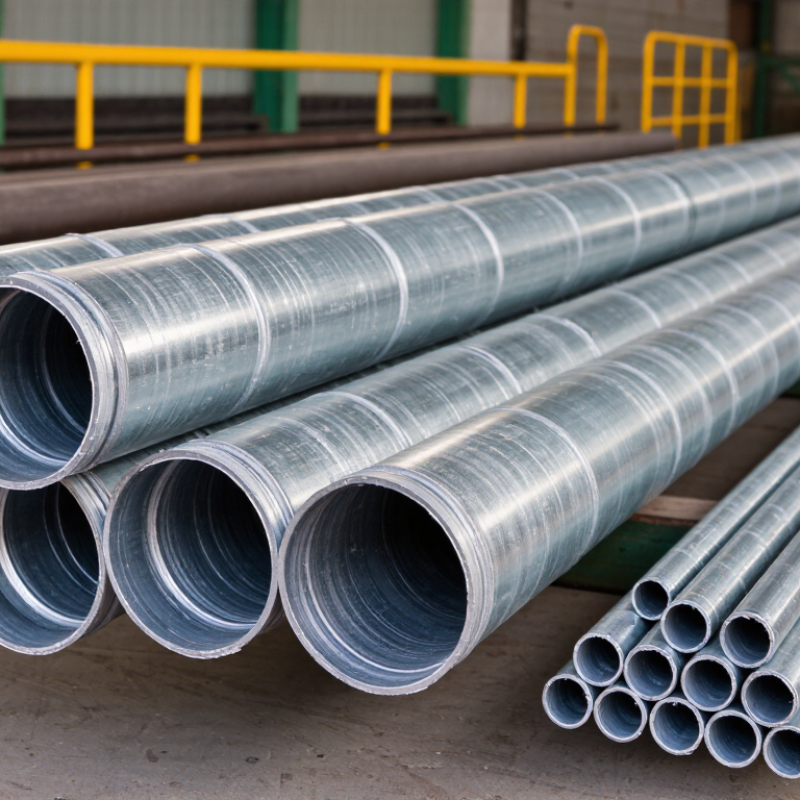
ERW galvanized pipe begins as a flat steel strip. Rollers gradually form it into a tube, and high-frequency electric resistance welding joins the edges along one seam. The weld is checked and the pipe is sized before corrosion protection is applied. In post-galvanizing, the cleaned pipe enters a molten zinc bath, commonly near 450°C. Some products use pre-galvanized strip instead, so the weld area and cut ends need careful attention.
Zinc protects steel in two ways: it forms a barrier and corrodes preferentially when the coating is damaged. That protection is not unlimited. ISO 9223:2012 classifies first-year atmospheric zinc loss as 0.1–0.7 micrometres in C2 environments and 0.7–2.1 micrometres in C3 environments. Actual exposure depends on moisture, pollutants, and salt. AGA’s Zinc Coating Life Predictor likewise treats service life as exposure-dependent, not a fixed promise.
Small details matter. A scratched surface or unprotected cut end can become a starting point for rust, especially in damp settings. Inspect coating continuity, weld areas, and ends before installation; repair methods should suit the coating specification. ERW galvanized pipe is commonly selected for water conveyance, fencing, scaffolding, and general-purpose frameworks, but suitability depends on pressure, temperature, and the applicable product standard. Zinc is useful, not magic.
What Is ERW Galvanized Pipe Used For? - How ERW Galvanized Pipe Is Made and Protected from Corrosion
| Category | Typical Details | Purpose or Practical Consideration |
| Common applications | Fences, handrails, guardrails, greenhouse frames, and other outdoor structures. | The zinc coating helps protect steel exposed to ordinary outdoor weather. The pipe size, wall thickness, and structural design should suit the required loads and applicable standards. |
| Mechanical and building uses | Frames, supports, posts, and general-purpose mechanical tubing where the specified product standard permits its use. | ERW pipe is made with a longitudinal welded seam. Select dimensions and testing requirements according to the intended service rather than appearance alone. |
| Conduit and service piping | Some electrical conduit and low-pressure service-piping systems use galvanized steel pipe or tubing. | Suitability depends on the product standard, local codes, fluid, pressure, and operating conditions. Galvanized pipe is not automatically suitable for every water or process-piping application. |
| ERW manufacturing | A flat steel strip is formed into a tube, and its edges are joined along a longitudinal seam using electrical resistance heating and pressure. | The resulting pipe is cut to length and may be inspected or tested as required by its product specification. Manufacturing and inspection details vary by standard and producer. |
| Galvanizing after fabrication | In hot-dip galvanizing, a prepared steel product is immersed in molten zinc, forming zinc-iron alloy layers with an outer zinc layer. | This process can coat the outside and, when the design and process allow, the inside of the pipe. Drainage and venting provisions are important for hollow sections. |
| Pre-galvanized material | Some ERW pipe is manufactured from steel strip that was galvanized before the strip was formed and welded. | The coating at the weld area may require appropriate treatment, depending on the manufacturing process and product specification. Confirm the coating type and coverage when ordering. |
| How zinc protects steel | Zinc provides a physical barrier and can act sacrificially where small areas of steel are exposed. | Protection depends on coating thickness, environment, drainage, and maintenance. Cut ends, drilled holes, and damaged areas may need suitable repair treatment. |
| Service-life considerations | Wet, salty, chemically aggressive, or persistently buried conditions can accelerate coating deterioration. | Assess the exposure environment and applicable corrosion-protection requirements. Additional coatings, isolation, or a different material may be needed for severe conditions. |
How Its Strength and Coating Suit Different Applications
What Is ERW Galvanized Pipe Used For?
ERW galvanized pipe combines a longitudinal electric-resistance-welded seam with a zinc coating. The steel provides useful strength for many everyday structural and fluid-handling applications. The coating slows corrosion when moisture reaches the surface. That matters. In a warehouse, for example, galvanized pipe may support handrails, frames, or equipment guards exposed to damp air and occasional splashes.
Its suitability depends on both the load and the environment. For water lines, irrigation systems, or outdoor supports, check the pipe’s dimensions, pressure rating, coating condition, and applicable specifications. A zinc layer can help protect the outside, but it does not make every pipe suitable for every fluid or exposure. Small scratches, threaded ends, and weld areas may need attention because damaged or bare steel can corrode sooner. That detail is easy to miss. In coastal air or persistent chemical exposure, the coating may not last as long as expected, so a more suitable material or added protection may be needed. I would treat galvanizing as a helpful barrier, not a cure-all.
Common Uses in Water, Construction, and Infrastructure
ERW galvanized pipe is made by forming steel into a tube, welding the seam, and applying a zinc coating. The coating helps slow rust when pipes face rain, damp soil, or humid air. In water applications, these pipes may serve irrigation systems, utility lines, and some plumbing installations. Suitability depends on water chemistry, operating pressure, and local requirements. Potable-water use needs particular care; not every galvanized pipe or water system is appropriate.
On construction sites, galvanized ERW pipe is used for handrails, fence frames, scaffolding components, and temporary supports. Its regular shape makes cutting and joining practical, while the zinc surface can reduce maintenance in exposed locations. Still, pipe dimensions and load ratings matter. A pipe that looks sturdy may not be rated for a structural duty. That detail matters.
Infrastructure projects use galvanized pipe for sign supports, protective barriers, and other outdoor assemblies. It can also carry cables or provide sleeves for services, depending on the design. Inspect cut ends and welded joints, since damaged coating can leave steel exposed. The choice is not automatic: soil conditions, expected service life, and repair access can change the best material. A little caution helps.
What Is ERW Galvanized Pipe Used For?
ERW galvanized pipe is used in water piping, construction, and infrastructure. The chart shows standard outside diameters for selected nominal pipe sizes; it is not a measure of usage frequency.
Common applications include water service where permitted by local requirements, building frameworks and supports, and infrastructure such as railings and utility structures. Select pipe material and coating for the intended service and applicable standards.
Where ERW Galvanized Pipe Is Used in Agriculture and Industry
What Is ERW Galvanized Pipe Used For?
ERW galvanized pipe is used where a welded steel tube needs added protection from outdoor moisture. Its zinc coating helps slow corrosion, though scratches and cut ends still need attention. On farms, it can carry irrigation water and supply livestock troughs. It also appears in greenhouse supports, fencing, and equipment frames. FAO’s 2017 report, Water for Sustainable Food and Agriculture, estimates that agriculture accounts for about 70% of global freshwater withdrawals. That scale makes dependable water infrastructure important.
Not everywhere. Soil chemistry, standing water, and fertilizer exposure can shorten coating life. Inspect joints and damaged areas, especially around pumps and buried sections. For drinking-water systems, confirm that the pipe and coating are suitable for the intended use.
Factories and workshops use ERW galvanized pipe for low-pressure water lines, washdown systems, and general utility piping. USGS Circular 1441, Estimated Use of Water in the United States in 2015, reports industrial water withdrawals of about 14.8 billion gallons per day. That figure reflects substantial demand for water-handling infrastructure, not a recommendation for one pipe type. Galvanized pipe is not a universal choice: aggressive chemicals, high temperatures, and demanding process conditions call for material-specific engineering review.
Key Factors for Choosing It for a Specific Project
ERW galvanized pipe is commonly used for water distribution, fencing, scaffolding, and light structural work. Its zinc coating helps slow rust on exposed steel, while the welded construction offers a practical option for many general-purpose projects. The right choice depends on more than appearance. Details matter.
Start with the required diameter, wall thickness, and pressure rating. Match these to the project drawings and operating conditions, not just the existing pipe nearby. Check the applicable product standard and confirm that its requirements suit the intended service. For drinking-water systems, verify that the pipe and coating are approved for that use. A similar-looking pipe may not be suitable.
Consider the installation environment, too. Outdoor exposure, damp soil, standing water, and industrial chemicals can affect coating life. Inspect the zinc surface for damage, especially at cut ends and threaded connections, where bare steel may be exposed. Think through how sections will be joined and maintained. Measure twice. A rushed field measurement can miss fittings, clearance, or support spacing; it is worth checking again before ordering. And do not assume galvanized pipe is corrosion-proof. Some conditions call for added protection or a different material.