Choosing the right safety valves is crucial for ensuring the safety and efficiency of various systems. These devices play a critical role in protecting equipment and personnel from overpressure. An ideal safety valve should not only meet specifications but also function reliably under various conditions.
When selecting safety valves, consider factors such as pressure ratings, materials, and application environments. Each detail matters. For example, a valve made from carbon steel may not endure corrosive substances. You could face unexpected failures or accidents if the wrong choice is made. It's essential to do thorough research.
Understanding your specific needs can lead to better decisions. Reflect on past experiences where failures occurred. Did you overlook any details? Are you taking all necessary precautions? These considerations will guide you toward effective safety valve selection.
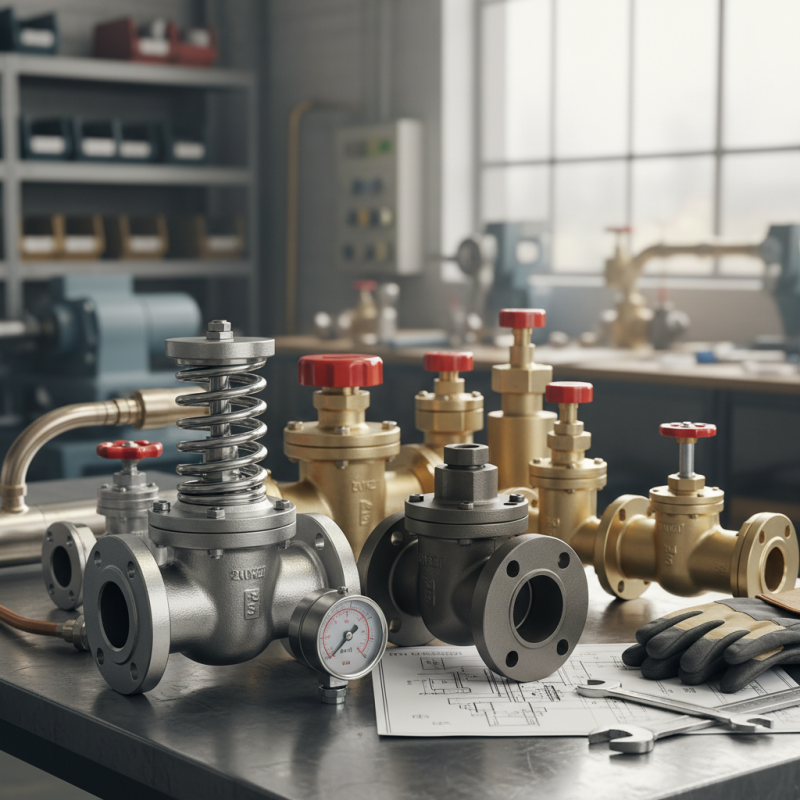
Safety valves play a crucial role in industrial applications. They are designed to relieve pressure from equipment, preventing potential hazards. A safety valve opens automatically when the pressure exceeds a preset limit. This ensures that pressure systems operate safely and efficiently.
According to industry reports, improper valve selection can lead to catastrophic failures. In fact, around 30% of incidents arise from inadequate pressure relief systems. This statistic highlights the importance of understanding safety valves' function. A safety valve must match the specific requirements of the equipment it protects. Factors like flow capacity and pressure settings must be considered carefully.
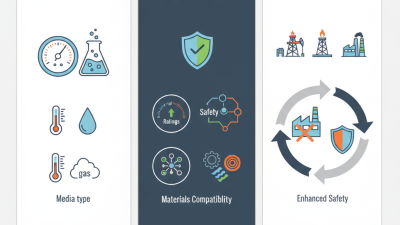
Choosing the right safety valve isn’t always straightforward. Several challenges can arise, such as material compatibility and environmental conditions. Reports suggest that many industries overlook these critical factors. This oversight can compromise the operational integrity of systems. An informed choice based on comprehensive data analysis can mitigate these risks.
| Tip Number | Tip Description | Key Consideration |
|---|---|---|
| 1 | Understand the application requirements | Pressure ratings and media type |
| 2 | Select the correct size | Match the valve size to application flow |
| 3 | Ensure compliance with standards | Check industry codes and regulations |
| 4 | Consider materials of construction | Corrosion resistance and temperature ratings |
| 5 | Evaluate the valve's set pressure | Correct setting for system safety |
| 6 | Examine the discharge area | Appropriate design to avoid backpressure |
| 7 | Check for blowdown settings | Influences valve reseatability |
| 8 | Consider the method of actuation | Manual, pneumatic, or spring-loaded |
| 9 | Evaluate the manufacturer's service and support | Reliability of after-sales service |
| 10 | Plan for regular maintenance and testing | Preventative measures to ensure safety |
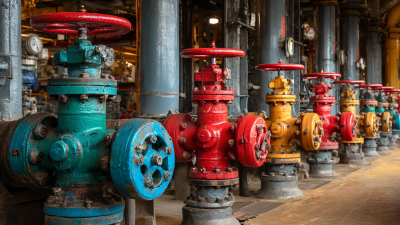
When selecting a safety valve, understanding the types available is crucial. Safety valves are designed to prevent excessive pressure build-up. The two main types are spring-loaded and pilot-operated valves.
Spring-loaded valves rely on a spring to control the opening. They work effectively in low-pressure systems. However, they can be less precise in high-pressure applications.
Pilot-operated safety valves function differently. They use a small valve to control a larger one. This allows for more accurate pressure regulation. These valves tend to be more complex. However, they can offer better performance in demanding situations. Choosing the right type depends on your specific needs.
It’s important to consider materials as well. Valves can be made from metals or plastics. Each material has advantages and drawbacks. Metal valves typically handle higher temperatures. Plastic options are lighter and less expensive. Both types come with risks. Poor choices can lead to failures. Always reflect on the specific conditions your safety valve will face. Making an informed decision is essential for maintaining safety and efficiency.
When evaluating material compatibility for safety valves, attention to detail is crucial. Different materials react uniquely to various chemicals. For instance, stainless steel often handles corrosive substances well, but not all grades offer the same resistance. Some may corrode over time. Regular inspections can help identify these issues.
Consider temperature and pressure as well. High temperatures can weaken certain materials. A valve made from plastic might fail under extreme conditions. On the other hand, metal valves often last longer in severe environments. However, they can be more expensive. Balancing cost and performance is a challenge in valve selection.
It's also important to think about potential contamination. In some cases, even minor impurities can lead to valve failure. Conducting tests can ensure compatibility. Yet, finding the right balance between durability and cost-efficiency might not always yield perfect results. Recognizing limitations and planning accordingly is essential.
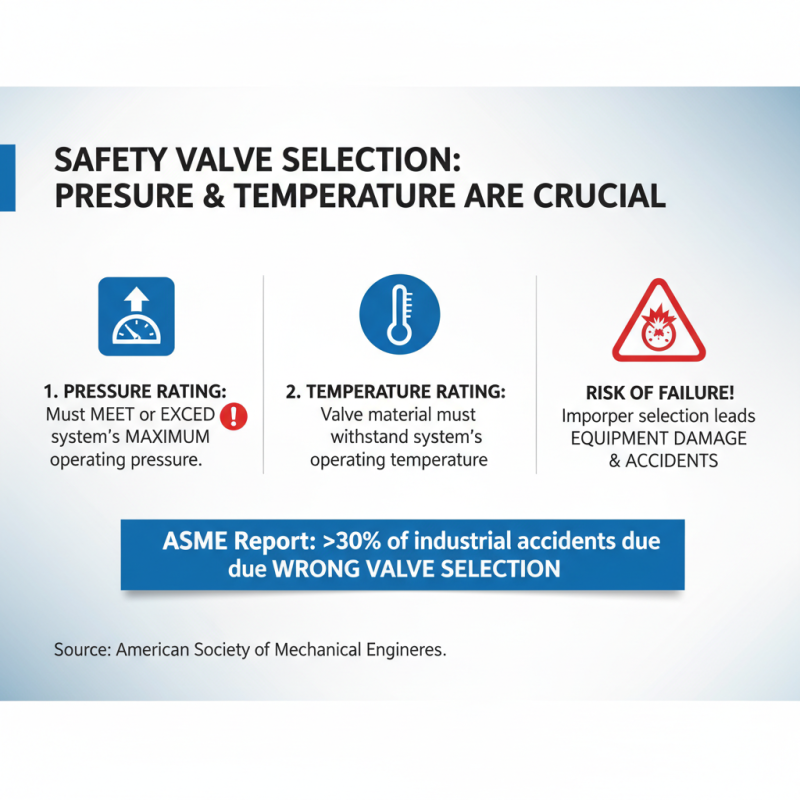
When selecting safety valves, pressure and temperature ratings are crucial factors. Safety valves are designed to release excess pressure to prevent equipment failure. According to industry standards, a valve's pressure rating must match or exceed the maximum operating pressure of the system. Miscalculating this can lead to disastrous outcomes. For example, a report by the American Society of Mechanical Engineers highlights that improper valve selection resulted in over 30% of industrial accidents.
Temperature ratings are equally important. Each material has a defined range of temperature resistance. For instance, a valve made from carbon steel may fail at elevated temperatures. According to the International Organization for Standardization, nearly 20% of safety valve failures are linked to thermal degradation. Assessing the operating temperature is essential for longevity.
Many engineers overlook the operating environment. Humidity, corrosive substances, and vibration can affect valve performance. Data suggests that around 15% of users fail to consider environmental factors. This oversight can lead to a safety breach. Understanding environmental conditions helps ensure a more reliable selection process. Safety valve selection should not be taken lightly; careful analysis is key.
Choosing the right safety valves is crucial for maintaining industrial safety. Compliance with industry standards is non-negotiable. According to a recent report by the American Society of Mechanical Engineers, nearly 30% of industrial accidents involve valve failures. These statistics highlight the importance of selecting valves that meet rigorous safety standards.
When evaluating safety valves, it’s vital to check if they comply with the American National Standards Institute (ANSI) and the Pressure Equipment Directive (PED). Inadequate compliance can lead to catastrophic failures. A 2022 safety audit revealed that 25% of facilities were using outdated valves, posing significant risks. This emphasizes the need for regular reviews of safety equipment.
It’s easy to overlook the specifics during the selection process. Focus on the valve type and pressure rating. Ensure the materials are suitable for your application. Many overlook factors such as temperature limits and fluid types. These oversights can be detrimental. Accurate selection based on comprehensive data leads to better safety outcomes.
This chart illustrates the importance of various factors when selecting safety valves in compliance with industry standards. The data reflects the percentage of industry professionals prioritizing each factor.
© Copyright 2025 | LittleFirefighter.com | All Rights Reserved | 1EZ Creative: Orange County Web Design

Fusce ut ipsum tincidunt, porta nisl sollicitudin, vulputate nunc. Cras commodo leo ac nunc convallis ets efficitur.

12345 North Main Street,
New York, NY 555555
1.800.555.6789
sale@vibrotools.com