
When considering the purchase of a Full Voltage Magnetic Starter, suppliers must navigate a complex landscape. These essential components are vital for motor control and protection in various industrial applications. Understanding their function and specifications is key to making informed decisions.
Choosing the right starter requires careful consideration of voltage ratings and compatibility. Each application might demand different characteristics. It's essential to consult with experts who have hands-on experience. Reliable suppliers should provide detailed technical information and answer specific queries. They can guide you through the numerous options available on the market.
However, not all suppliers offer the same level of service or quality. Some may prioritize costs over reliability, leading to subpar performance. It's crucial to reflect on suppliers' reputations and seek reviews from past customers. This diligence will lead to a more informed choice in selecting a Full Voltage Magnetic Starter that meets your operational needs.
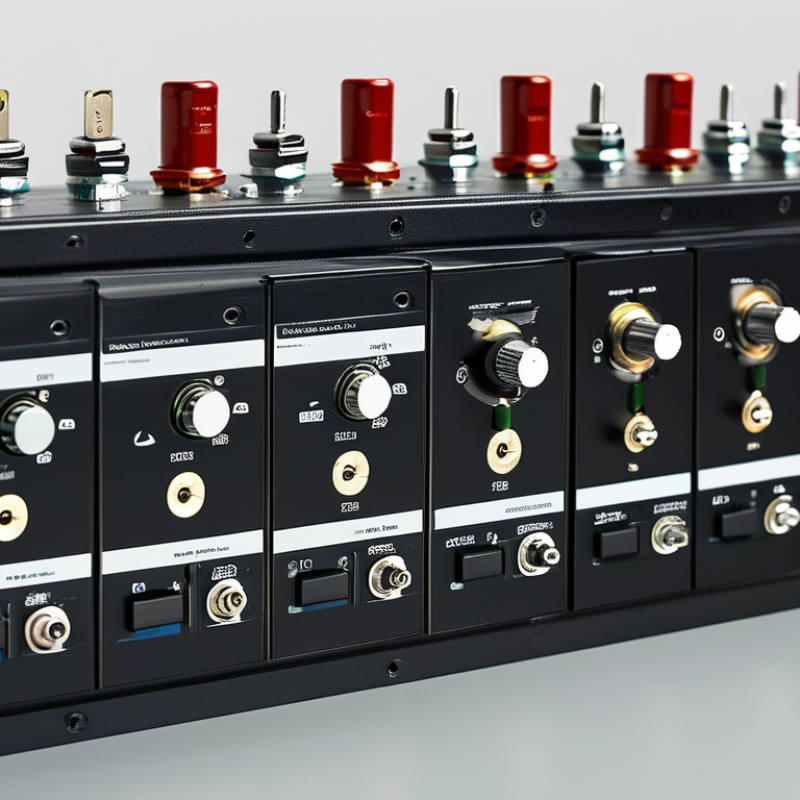
Full voltage magnetic starters are essential devices in industrial applications. They control large motors, ensuring a smooth startup and halt process. These starters prevent overload and provide suitable protection for sensitive equipment. Their significance spans various industries, including manufacturing, HVAC, and pumping systems.
In an industrial setting, a well-chosen magnetic starter can enhance safety and efficiency. It's crucial to evaluate motor specifications and the environment in which the starter will operate. Factors such as voltage rating, horsepower, and ambient temperature play vital roles in determining the right starter. Installation can be tricky; mistakes can lead to faults or failures. Learning from past installation errors can guide future purchases.
Understanding applications is also key. Full voltage magnetic starters are ideal for applications requiring immediate motor control. However, not all systems require such starters. Assessing the specific needs of your operation is necessary. Overlooking this may lead to over-specifying or under-specifying your starter choice. This reflective approach can save both time and resources in the long run.
When selecting a full voltage magnetic starter, the key specifications play a critical role. One major aspect to consider is the current rating. It determines the maximum current of the starter. According to industry reports, ratings typically range from 10A to 300A. Higher ratings are suitable for larger motors. Ensuring the selected starter meets your motor’s requirements is essential for optimal performance.
Another important specification is the coil voltage. Common options include 120V, 240V, and 480V. This voltage must match the supply voltage in your application. A mismatch can lead to equipment damage or malfunction. Industry insights suggest that about 25% of starter failures stem from incorrect coil voltages.
Lastly, consider the service factor and duty cycle. These specifications impact the starter's lifespan and reliability. A higher service factor indicates a unit can handle more work over time. Selecting a starter with the right duty cycle is vital for reducing maintenance costs. Always ensure your choice aligns with the specific demands of your application to prevent unexpected downtime.
Full voltage magnetic starters play a crucial role in motor efficiency and reliability. By providing a high starting torque, these devices help motors operate at optimal levels. When starting under full voltage, motors can swiftly reach their required speed. This immediate response reduces the wear and tear often seen with other starting methods.
However, relying solely on full voltage starters can pose challenges. In some cases, high inrush currents may cause voltage dips in the supply chain. This can lead to potential disruptions and inefficiencies in sensitive equipment. Furthermore, not all motors respond equally well. Some may experience overheating or premature failure when subjected to full voltage starts repeatedly.
It's vital to assess specific motor applications and environmental conditions. Consulting with experts can provide insights into which starter type best suits your needs. Observing how different motors respond during experiments can reveal unforeseen issues. Understanding the trade-offs will lead to better choices, ensuring a balance between performance and longevity.
The global market for full voltage magnetic starters is seeing notable trends. According to a recent report by Research and Markets, the market is expected to grow at a compound annual growth rate (CAGR) of 4.5% from 2023 to 2030. The rise in demand is primarily driven by the manufacturing and automation sectors. These industries rely heavily on reliable motor starters for operational efficiency.
Emerging markets are contributing significantly to this demand. Countries like India and Brazil are investing in infrastructure development, thus increasing the need for electrical starters. These regions are experiencing rapid industrialization, making them prime targets for manufacturers. The adoption of energy-efficient solutions is also influencing trends. Companies seek starters that minimize energy consumption while enhancing performance.
However, challenges remain. The market faces competition from alternative solutions such as variable frequency drives (VFDs). There is an ongoing debate about the long-term reliability of magnetic starters compared to newer technologies. Industry experts stress the importance of adaptability. Suppliers must be well-informed about local market needs and global advancements to remain competitive. The balance of innovation and reliability is crucial for growth in this sector.
When considering the costs associated with full voltage magnetic starters, it's vital to analyze both equipment and installation expenses. The initial purchase price can vary based on specifications and features. Furthermore, don't overlook logistics costs. Transportation fees can significantly affect the overall budget, especially for international suppliers.
Installation costs are another critical aspect. Skilled labor is required to ensure proper setup and function. Prices may vary depending on region and expertise. You may find that cheaper labor does not always guarantee quality work. Carefully assessing these factors will help you avoid unexpected expenses. Image hiring a qualified technician who recognizes potential installation pitfalls.
An essential reflection is the overall return on investment. Cutting corners may save money now but could lead to greater expenses later. Evaluate maintenance costs too. Regular upkeep is necessary to keep equipment operating efficiently. Balancing upfront costs with long-term savings will contribute to more sustainable budgeting decisions. Engage consultation with experts to refine your cost analysis.
© Copyright 2025 | LittleFirefighter.com | All Rights Reserved | 1EZ Creative: Orange County Web Design

Fusce ut ipsum tincidunt, porta nisl sollicitudin, vulputate nunc. Cras commodo leo ac nunc convallis ets efficitur.

12345 North Main Street,
New York, NY 555555
1.800.555.6789
sale@vibrotools.com
