
The future of EPB Motors in China's automotive industry looks promising yet complex. As the market shifts towards electric vehicles, the demand for efficient braking systems is increasing. According to a recent report from the Chinese Automotive Technology and Research Center, the EPB market is projected to reach $5 billion by 2025, reflecting a CAGR of 15%. This growth presents both opportunities and challenges.
Industry expert Dr. Li Wei emphasizes, "The integration of EPB Motors is crucial for the next generation of smart vehicles." This statement underscores the importance of EPB technology in enhancing vehicle safety and performance. However, the transition requires significant investment in R&D and infrastructure. Concerns around the reliability of existing EPB systems also persist, suggesting a need for further innovation and improvement.
As manufacturers strive for competitive advantage, they must navigate technological hurdles and regulatory landscapes. The balance between advancement and reliability will shape the future of EPB Motors in China. The journey is not without its uncertainties, but the potential rewards are substantial.
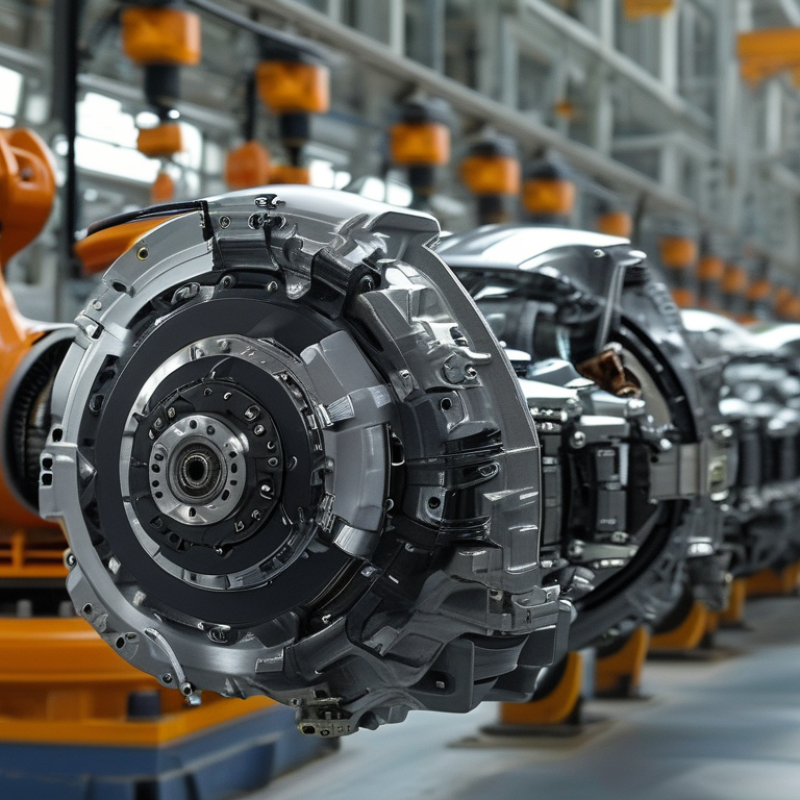
The future of EPB (Electronic Parking Brake) motors in China's automotive industry is poised for dynamic growth. As electric vehicles become more prevalent, the demand for efficient braking systems is increasing. EPB motors offer a compact design and can provide significant weight savings. This advantage is crucial for electric vehicles, where every kilogram matters.
Technological advancements are key to the future of EPB motors. Enhanced integration with vehicle systems is expected. This might lead to smarter braking systems that respond better in various conditions. However, the transition faces challenges. Manufacturers must ensure reliability and safety as the technology evolves. The complexity of EPB systems can sometimes lead to concerns about maintenance and repair.
Moreover, the manufacturing landscape in China is changing. Local companies are prioritizing research and development. This shift could boost innovation in EPB technology. However, many firms struggle to find skilled professionals. As competition intensifies, the industry must focus on training and education to meet demand. The success of EPB motors will depend on striking a balance between innovation and practicality.
In recent years, the demand for Electric Park Brake (EPB) motors in China has surged. This trend reflects the country's push towards intelligent and environmentally friendly automotive solutions. EPB motors streamline vehicle design and enhance safety by reducing weight. Manufacturers are also focusing on integrating advanced technologies, like automation, to increase efficiency.
Current market dynamics present significant opportunities for EPB motors. With electric vehicles (EVs) gaining prominence, the need for reliable braking systems is crucial. Consumers are increasingly aware of vehicle safety features, which boosts demand for EPB motors. However, the market faces challenges, such as competition from traditional braking systems. Cost issues also emerge as manufacturers strive to maintain affordability amid rising technology expenses.
Despite growth prospects, manufacturers must prioritize research and development. Innovation should align with consumer expectations for performance and sustainability. Market players may need to reflect on their strategies to adapt to evolving trends. A proactive approach can address potential pitfalls, ensuring EPB motors thrive in a competitive landscape. The future of EPB motors hinges on balancing technological advancements with market demands.
Electric Power Brake (EPB) motors are gaining traction in China's automotive landscape. However, the future faces significant challenges. One primary concern is the adaptation to new technologies. The rapid evolution of electric vehicles demands continuous innovation in EPB systems. Manufacturers must invest heavily in research and development to keep pace. The uncertainty about regulatory standards adds extra pressure to companies. Each new requirement can impact production timelines and costs.
Another challenge is market competition. Numerous automakers in China are rushing to develop advanced EPB solutions. This influx can dilute market shares and put pressure on pricing strategies. Smaller firms struggle to compete with established players. They often lack the resources to invest in cutting-edge technologies or marketing. Consumer awareness also plays a role. Many drivers are still unfamiliar with EPB systems. This gap can hinder widespread adoption.
Sustainability is another pressing issue. As environmental guidelines become stricter, EPB motor manufacturers must ensure their products are eco-friendly. However, this transition can come with rising costs. Balancing profitability with sustainability can lead to tough decisions. Companies may face ethical dilemmas as they navigate this shift. It's evident that the path forward for EPB motors in China's automotive industry is fraught with complexities.
This chart shows the projected market growth of Electric Parking Brake (EPB) motors in China's automotive industry over the next five years, alongside the challenges they face.
The future of Electric Parking Brake (EPB) motors in China's automotive industry looks promising, thanks to supportive government policies. According to a report by McKinsey, the national policy is heavily focused on integrating electric components in vehicles. They forecast a growth rate of 15% for EPB motors in the next five years. This illustrates a burgeoning market driven by advancements in electric vehicle technology.
The Chinese government is also providing substantial subsidies for manufacturers adopting EPB systems. Recent data suggests that manufacturers who implement EPB can expect up to a 20% reduction in installation costs. However, some manufacturers face challenges in meeting the stringent quality standards set by government regulators. This creates a gap that can hinder faster implementation.
Tips: Manufacturers should focus on research to enhance EPB reliability. Regular quality checks can prevent costly errors. Staying informed about policy changes is crucial for seizing new opportunities. The industry must adapt quickly to keep pace with technological advancements and regulatory requirements. This dynamic landscape requires constant vigilance and flexibility to succeed.
EPB (Electronic Parking Brake) motors are gaining traction in China's automotive industry. A study by the China Automotive Technology and Research Center predicts that the market for EPB systems will reach 17 million units by 2025. This growth reflects a shift towards more advanced braking systems compared to traditional hydraulic brakes.
Traditional braking systems operate through mechanical linkages and hydraulic fluid. They have been reliable for decades. However, they require more maintenance and are heavier, impacting vehicle efficiency. EPB systems, on the other hand, utilize electric motors for operation. This reduces weight and complexity. The compact design allows for more space in vehicle interiors. According to a report from SAE International, EPB systems can reduce parking space by up to 10%, which is a significant advantage in crowded urban areas.
Despite these benefits, there are challenges. EPB motors need precise electronic control. Any failure could compromise safety. Moreover, integrating these systems with other vehicle electronics can be complex. As the industry evolves, the balance between traditional reliability and modern efficiency will be crucial. Understanding consumer preferences will also dictate how swiftly EPB technology is adopted.
| Feature | EPB Motors | Traditional Braking Systems |
|---|---|---|
| Weight | Lighter | Heavier |
| Complexity | More Complex | Simpler |
| Maintenance Cost | Lower | Higher |
| Response Time | Faster | Slower |
| Energy Efficiency | Higher | Lower |
| Integration with Technology | Integrated | Standalone |
| Market Adoption Rate | Increasing | Stable |
© Copyright 2025 | LittleFirefighter.com | All Rights Reserved | 1EZ Creative: Orange County Web Design
Fusce ut ipsum tincidunt, porta nisl sollicitudin, vulputate nunc. Cras commodo leo ac nunc convallis ets efficitur.

12345 North Main Street,
New York, NY 555555
1.800.555.6789
sale@vibrotools.com
