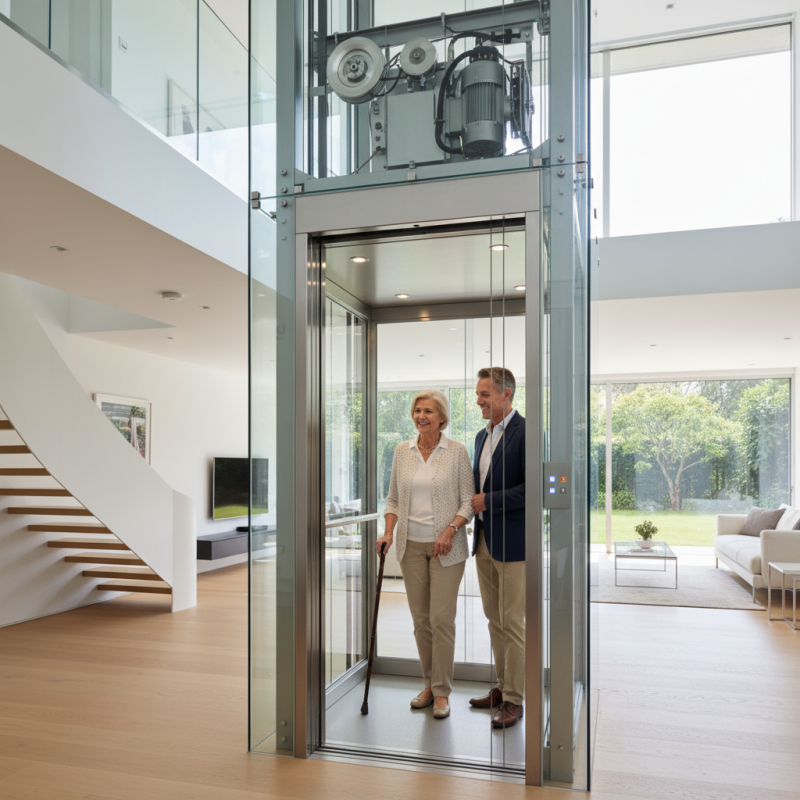
What is a Home Elevator and How Does it Work?
A Home Elevator is an innovative solution for modern living. It enhances comfort and accessibility within a residence. These elevators serve various purposes, from assisting individuals with mobility challenges to adding luxury to everyday life.
Home elevators are designed to fit seamlessly into your home. They come in various sizes and styles, catering to diverse architectural needs. The installation process can be complex, often requiring precise measurements and planning. Not every home can accommodate such structures, which can be a limitation for some homeowners.
Understanding how a home elevator works is essential for making informed decisions. They typically operate using electric motors driven by pulleys and cables. While they can provide convenience, they also add maintenance responsibilities. Potential owners should weigh the benefits and challenges before making a commitment.
What is a Home Elevator?
A home elevator is a specialized lift system designed for residential use. It allows easy travel between floors, providing convenience and accessibility. According to a recent industry report, the home elevator market has been growing at a steady rate of around 5% annually. This trend reflects increasing demand for home modifications, especially among aging populations.
These elevators can vary in design, size, and mechanism. Some use hydraulic systems, while others operate on cable-driven technology. Many homes have limited space, yet an elevator can fit in a compact shaft. These systems typically require less room than a traditional staircase. However, installation involves careful planning and consideration of building codes.
Despite these benefits, homeowners often face challenges with maintenance and safety. Regular inspections are necessary to ensure longevity. Neglecting these can lead to malfunctions, sometimes creating hazardous conditions. A home elevator offers great advantages but also requires commitment. Choosing the right specifications is crucial for optimal performance.
Types of Home Elevators Available
Home elevators come in various styles and designs. Each type has its unique features and functions. One popular option is the hydraulic elevator. This system uses fluid to move the elevator up and down. It requires a machine room, which can take up valuable space.
Another type is the pneumatic elevator. This uses air pressure to lift the cabin. It has a sleek design and doesn’t need a machine room. The installation process is often simpler, but it may not support heavy loads.
There are also gear-driven elevators. They utilize gears and a pulley system. While they can handle heavier weight, the installation can be more complicated. Additionally, there are residential platform lifts. These are great for individuals with mobility challenges. They provide easy access, but may lack the speed of traditional elevators.
What is a Home Elevator and How Does it Work? - Types of Home Elevators Available
| Type of Home Elevator | Drive Mechanism | Load Capacity | Speed | Installation Cost |
| Hydraulic Elevator | Hydraulic System | Up to 1,500 lbs | 30 ft/min | $15,000 - $25,000 |
| Pneumatic Elevator | Air Pressure | Up to 450 lbs | 30 ft/min | $25,000 - $35,000 |
| Cable-Driven Elevator | Cable and Pulley | Up to 2,500 lbs | 60 ft/min | $20,000 - $30,000 |
| Screw Driven Elevator | Screw Mechanism | Up to 1,500 lbs | 20 ft/min | $18,000 - $25,000 |
How Home Elevators Work Mechanically
Home elevators have gained popularity as an efficient mobility solution for multi-level homes. They function by utilizing a hydraulic or mechanical system to transport users between floors. Mechanical components include a cab, guide rails, and a power source. The average rise for home elevators is around 25 feet, accommodating 2 to 3 stops.
The hydraulic system operates by using fluid pressure to move the elevator cab. When the user calls for the elevator, a pump pushes hydraulic fluid into a cylinder, lifting the cab. In contrast, mechanical elevators rely on a counterweight system. This system reduces the amount of energy needed, making it more efficient. According to a report from the National Association of Home Builders, about 5% of new homes incorporate some form of an elevator.
Maintenance can be an overlooked aspect of home elevators. Regular checks are essential for safety and longevity. A common recommendation is to service the system every six months. Homeowners must also consider space. Elevators require a dedicated shaft and a footprint, which can be a challenge in tighter layouts. Custom installations can further complicate the process and increase costs. Balancing these factors is crucial for a successful home elevator experience.
Home Elevator Usage Statistics
This chart represents the distribution of home elevator usage across various categories, highlighting the growing demand for accessibility in residential and commercial buildings.
Installation Process of Home Elevators
Installing a home elevator can seem daunting, yet the process is manageable with the right approach. First, homeowners should assess their current space. This involves measuring the area where the elevator will be installed. According to a report from the National Association of Home Builders, over 40% of new homes are designed with a focus on accessibility. This trend highlights the growing demand for home elevators.
During installation, experts typically begin by preparing the site. This includes structural modifications to ensure stability. Depending on the type of elevator, this may involve adding support beams or creating a shaft. It’s important to work closely with professionals who understand local building codes. Some homeowners underestimate the complexity of this process.
After construction, the actual elevator installation begins. Technicians will install the system, connecting it to a power source. They conduct tests to ensure safety and functionality. The whole process can take several weeks. Feedback from users often emphasizes the importance of patience during installation. Some might analyze delays or unexpected costs. Ultimately, a well-executed installation can provide lasting benefits and enhance home value.
Maintenance and Safety Considerations for Home Elevators
Home elevators provide convenience and accessibility. They can make multi-story living much easier. However, regular maintenance is crucial for safety and functionality.
Inspecting your elevator regularly ensures everything works well. Check the cables and pulleys for signs of wear. Test emergency features monthly. Keeping a maintenance log can help track repairs.
Tips: Always follow manufacturer guidelines. Look for a certified technician for repairs. Be cautious of any unusual noises or movements.
Safety is paramount when using home elevators. Ensure children and pets are supervised around the elevator. Install safety gates to prevent accidental use. Remember, elevators can malfunction. A backup plan is essential. Keep emergency numbers handy for quick response. Your family’s safety depends on this awareness.