What Is a Hydraulic Actuator Factory and How Does It Work?
A Hydraulic Actuator Factory is more than a building filled with machines. It is a controlled environment where steel, seals, hydraulic fluid, and engineering knowledge become dependable motion systems. These actuators push, pull, lift, tilt, and hold heavy equipment with measured force.
Inside the factory, engineers review pressure requirements, stroke length, mounting space, and operating temperature. Technicians then cut and machine cylinders, piston rods, ports, and mounting components. Each surface matters. A small scratch on a rod can damage a seal and cause leakage later. Clean assembly is essential.
Quality control follows the actuator through every important stage. Inspectors check dimensions with calibrated tools. Pressure tests reveal weak welds, poor seals, or hidden leaks. Production records also support traceability, from raw material certificates to final inspection results. Experienced manufacturers understand that performance depends on details customers may never see.
Still, no factory process is perfect. Human judgment can vary, and unexpected failures may appear after long service. This is why reputable manufacturers improve designs through testing, field feedback, and documented corrective actions. They also communicate realistic limits instead of promising unlimited performance.
Understanding how a Hydraulic Actuator Factory works helps buyers evaluate quality more carefully. It shows why material selection, machining accuracy, contamination control, and testing deserve attention. A dependable actuator is not produced by speed alone. It is built through repeatable processes, skilled supervision, and a willingness to question results that seem acceptable.
What Is a Hydraulic Actuator Factory?
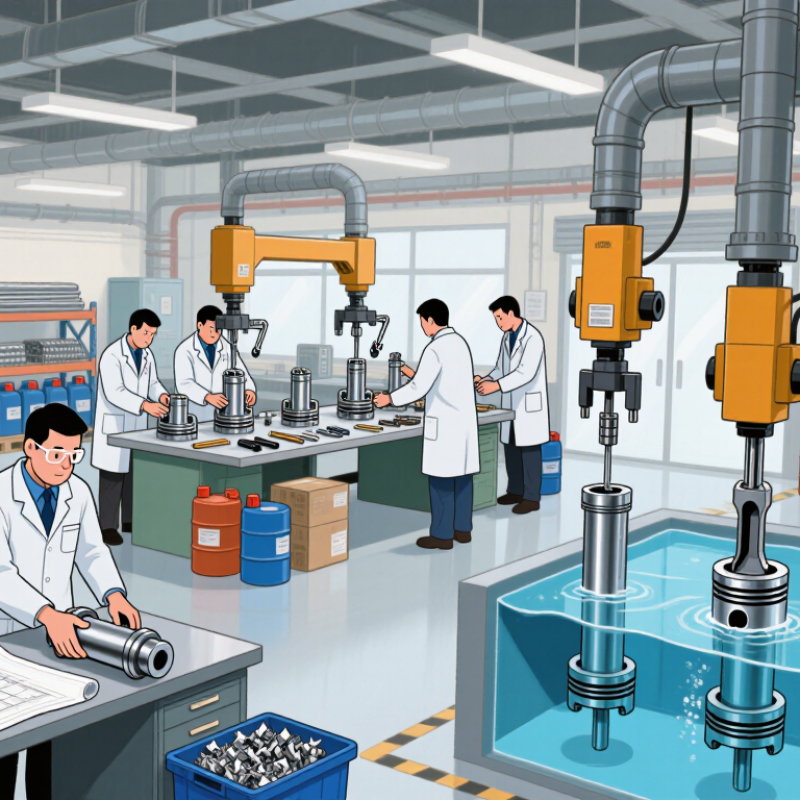
A hydraulic actuator factory is a specialized production facility that makes devices converting fluid pressure into controlled movement. These actuators commonly move, lift, clamp, or rotate heavy equipment. Inside the factory, engineers select steel, seals, valves, and protective coatings for each application. Machining creates accurate cylinders, pistons, and ports. Clean assembly matters greatly. Even a small particle can damage a seal or reduce operating life.
The working process follows several controlled stages. Workers inspect incoming materials, machine components, wash parts, and assemble the actuator in a clean area. Technicians then fill the system with hydraulic fluid and perform pressure, leakage, stroke, and load tests. Digital records can link each unit to its materials and test results. This traceability supports quality control and future maintenance. However, no production line is perfect. A rushed inspection or overlooked surface mark may create problems later. Careful factories review failures instead of hiding them.
Tips: Ask how the factory tests finished actuators, not only how it machines them. Check pressure ratings, seal compatibility, surface treatment, and maintenance access. Clear drawings and test reports improve reliability. If specifications are uncertain, request a sample evaluation before larger production. A practical factory should explain limits honestly. That builds trust.
What Is a Hydraulic Actuator Factory and How Does It Work?
Theoretical push force of hydraulic cylinders at a working pressure of 160 bar
Hydraulic actuator factories manufacture cylinders by machining tubes, pistons, rods, seals, and mounting components, followed by assembly and pressure testing. The actuator converts fluid pressure into linear force according to Pascal’s law. The values shown are calculated using Force = Pressure × Piston Area, with a constant pressure of 160 bar (16 N/mm²). Actual output is slightly lower because of seal friction, leakage, and mechanical losses.
How Hydraulic Actuators Are Designed and Engineered
A hydraulic actuator factory turns fluid pressure into controlled mechanical motion through disciplined design and production. Engineers begin with force, stroke, speed, load direction, and operating temperature. They then select cylinder diameter, rod size, seals, ports, and mounting points. Small choices matter. A rod that is too slender may bend under side loading. A seal made for the wrong fluid can swell, leak, or wear early. Good engineering connects calculations with workshop evidence.
Computer models estimate stress and buckling, but physical testing exposes practical weaknesses. Technicians machine barrel bores, inspect surface finish, and measure critical dimensions. Welded parts require controlled procedures and visual inspection before assembly. Each actuator is assembled with clean components to protect valves and seals. Pressure tests check leakage, deformation, and smooth movement across the required stroke. Test records should identify materials, measurements, pressure levels, and inspection results. This traceability supports reliable service and honest decisions.
Experienced engineers also study how the actuator will be installed and maintained. Misalignment, contaminated oil, and poor hose routing often create avoidable failures. Designers may add guides, drainage paths, sensors, or replaceable wear parts. Not every improvement belongs in the final design. Extra complexity can increase cost and maintenance time. A careful factory reviews field feedback and revises drawings when evidence demands it. The process is not perfect. That is why validation, inspection, and thoughtful redesign remain essential.
Key Materials, Components, and Manufacturing Equipment
A hydraulic actuator factory turns steel, seals, and controlled pressure into reliable linear or rotary motion. The work begins with material selection. Cylinder tubes often use honed steel for smooth internal surfaces. Rods require hardened, corrosion-resistant surfaces because they face friction, impact, and moisture. Cast iron, ductile iron, and engineered alloys may serve in housings or mounting parts.
Core components include the barrel, piston, piston rod, gland, seals, ports, and mounting brackets. Each part has a practical purpose. The piston separates pressure chambers, while seals prevent fluid leakage and maintain efficiency. Engineers check seal compatibility with temperature, pressure, and hydraulic fluid.
Small errors matter here. A slightly rough rod can damage seals and shorten service life.
Manufacturing equipment shapes quality as much as raw materials do. CNC lathes produce accurate rods and glands. Honing machines create controlled barrel surfaces. Heat-treatment furnaces improve strength and wear resistance. Welding stations join structural parts, while hydraulic test benches verify pressure holding, leakage, stroke movement, and response time. Measurement tools check diameter, concentricity, surface finish, and thread accuracy.
Experienced factories also inspect incoming steel and record every critical measurement. However, production is never completely risk-free. Contamination, incorrect seal installation, or uneven heat treatment can still cause failure. Better factories learn from these defects and adjust processes instead of hiding them. Reliable documentation and repeatable testing build trust with equipment users.
Step-by-Step Hydraulic Actuator Production Process
What Is a Hydraulic Actuator Factory and How Does It Work?
Step-by-Step Hydraulic Actuator Production Process
A hydraulic actuator factory converts engineering drawings into controlled mechanical movement. Production begins with material inspection. Steel tubes, piston rods, seals, and mounting parts are checked against specifications. Technicians verify dimensions, surface quality, and material certificates before machining starts. Small defects matter.
Computer-controlled machines then bore cylinders, cut threads, and finish rod surfaces. Each critical dimension is measured with calibrated tools. The cylinder barrel receives honing to create a smooth sealing surface. The piston and gland are assembled with carefully selected seals. Clean handling is essential because tiny metal particles can damage hydraulic components.
During assembly, workers apply approved lubricants and set the piston correctly inside the barrel. They tighten fasteners to recorded torque values. The completed actuator enters pressure testing with hydraulic fluid. Inspectors check leakage, stroke length, operating pressure, and abnormal noise. Some factories also test load performance under repeated cycles. Test results are recorded for traceability.
Quality control is not limited to the final station. Process checks can prevent expensive rework. However, no production line gets every first batch perfect. A seal may fit correctly yet perform poorly after cycling. Engineers review failed samples, adjust tolerances, and repeat tests before release. This practical feedback keeps actuator production reliable in demanding equipment.
Quality Testing, Safety Standards, and Factory Applications
A hydraulic actuator factory converts engineering drawings into controlled linear or rotary motion.
It machines cylinders, pistons, rods, seals, and mounting parts. Technicians then assemble each unit in a clean, monitored production area. According to a 2024 Grand View Research report, the global hydraulic equipment market was valued at about USD 50 billion.
That scale makes consistent manufacturing more than a technical preference.
Quality testing begins with dimensional inspection. Workers measure rod straightness, bore size, surface finish, and seal fit. Each actuator undergoes pressure, leakage, stroke, and load testing.
ISO 10100 provides guidance for hydraulic cylinder acceptance tests. ISO 4413 addresses hydraulic system safety and stored energy. Test records should include pressure values, test duration, fluid temperature, and corrective actions.
A perfect report does not guarantee a perfect machine. That distinction matters.
Safety controls include guards, emergency stops, pressure relief devices, and lockout procedures. OSHA recorded 2.6 million nonfatal private-industry workplace injuries and illnesses in 2023. Hydraulic energy can contribute to severe incidents when isolation is incomplete.
Factories should verify zero pressure before maintenance begins.
In construction equipment, actuators lift booms and control buckets. In manufacturing lines, they position fixtures and clamp components. Agricultural machines use them for steering, harvesting, and material handling.
Operators still need practical training. Written procedures alone are not enough. Temperature, contamination, and overload can shorten service life, even when initial testing passes.