
Choosing a Hot Sealing Machine is a production decision, not a simple equipment purchase. The right model must match your film structure, pouch dimensions, output target, and quality controls. A machine that seals 80 packs per minute may still fail when the material becomes thicker or the pouch contains powder.
Industry data shows why this decision matters. Smithers’ The Future of Global Packaging to 2028 forecasts worldwide packaging demand will exceed $1.2 trillion by 2028. Grand View Research also estimates that the global flexible packaging market reached about $283 billion in 2023. These figures reflect strong demand, but they do not guarantee that every sealing system will perform reliably. Your product remains the real test.
In practical evaluations, operators should inspect seal width, temperature stability, dwell time, pressure, and cooling performance. Watch the first ten packs. Then test after continuous production. Small wrinkles can become serious leakage points. For regulated or safety-sensitive packaging, standards such as ASTM F88 and ASTM F2029 can support seal-strength and process evaluations. Local compliance requirements must also be confirmed before installation.
A cheaper machine can create hidden costs through film waste, rework, downtime, and inconsistent seals. That is easy to underestimate. Automated models may improve throughput, but they also demand skilled setup and maintenance. The best choice is not always the fastest machine. It is the system that delivers repeatable seals under your actual working conditions. This guide compares machine types, heating methods, control features, operating costs, and supplier support. Some recommendations may need revision after real line trials. That is normal. Data should lead the decision.
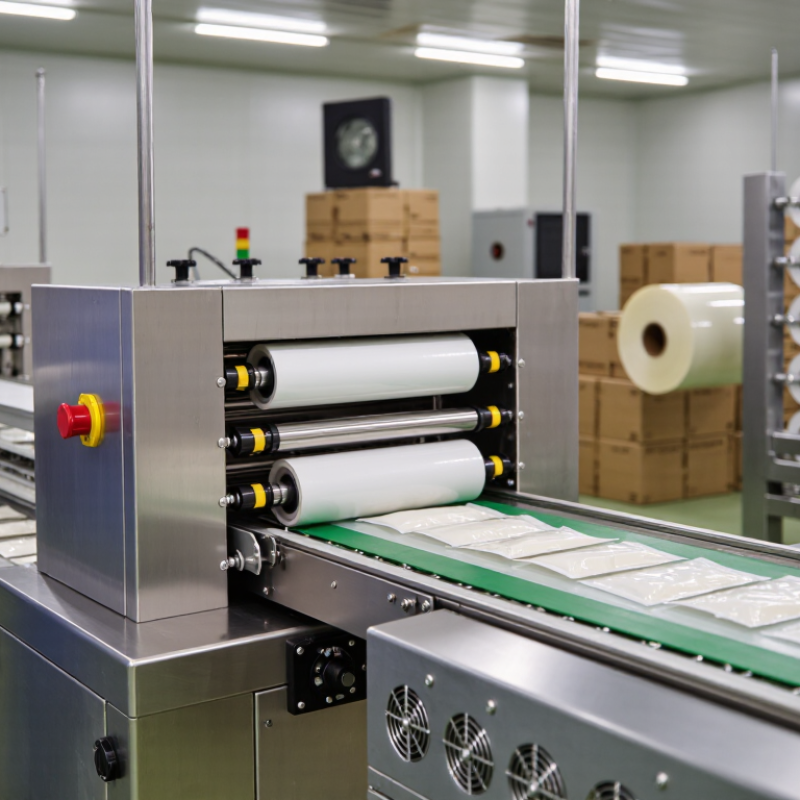
How to Choose a Hot Sealing Machine for Your Business?
Define your product before comparing machine specifications. Powder, liquid, and solid products create different sealing challenges. A liquid may splash onto the film and weaken the seal. Fine powder can settle inside the sealing area. Test the actual product, not an empty package. Observe leakage, wrinkles, and seal strength after cooling. Small details matter.
Packaging material is equally important. Polyethylene, laminated films, and coated papers require different heat ranges. Check the film structure, thickness, and recommended sealing temperature. A thicker pouch may need more heat or longer contact time. Excessive heat can burn the film or distort printed areas. Insufficient heat can produce a seal that looks acceptable but opens easily.
Your sealing requirements should match daily production conditions. Consider pouch width, seal width, operating speed, and expected workload. For food or sensitive products, inspect cleanability and temperature control carefully. Ask for sample testing with your own packaging. Record the settings and repeat the test on different days. Results can change with room temperature and operator technique. A common mistake is choosing speed over consistency. That choice may increase waste, especially when the package contains valuable contents. Leave room for adjustment; the first setting is rarely perfect.
Choosing a hot sealing machine starts with the package film, not the machine’s advertised speed.
Impulse sealers heat a wire for a short pulse, then cool under pressure. They suit polyethylene and laminated pouches, especially in low-volume production. Constant-heat sealers use heated jaws continuously. They handle thicker laminates and coated films more evenly. Continuous band sealers move bags through heated belts. Their steady motion supports higher output, but alignment becomes critical.
A practical trial should measure seal strength, leakage, wrinkles, and operator handling. A seal can look neat yet fail after transport. Mordor Intelligence estimates the packaging machinery market will grow from about USD 52.83 billion in 2024 to USD 67.19 billion by 2029. This growth reflects wider automation demand, but speed alone should not decide your purchase. PMMI’s 2024 State of the Industry reporting also identifies labor availability and automation as important investment pressures. Still, highly automated equipment may be wasteful for short runs. That part is easy to overlook.
Tips: Test your exact film, fill level, and bag width before ordering. Record jaw temperature, dwell time, and pressure during trials. For dusty products, inspect the seal area after every cycle. Choose adjustable controls and accessible replacement parts. Energy data deserves attention, too; published machine ratings rarely match real production conditions. A basic impulse model may be the better choice when batches change often.
Choosing a hot sealing machine starts with your packaging material, not its appearance. Check the film type, thickness, sealing width, and required temperature range. A machine should maintain stable heat across every pouch, even during long production runs. Uneven seals often come from weak temperature control, worn sealing bars, or unsuitable film.
Production capacity needs careful measurement. Compare the stated cycle time with your real daily workload. Ask how many packs the machine seals per minute, then allow time for loading, adjustments, cleaning, and brief stoppages. A model rated for 40 packs per minute may produce fewer in practice. That gap matters. Also examine sealing pressure, conveyor height, control accuracy, and power requirements. Digital temperature displays are useful, but reliable sensors and simple adjustments are more important.
Tips: Test your actual packaging samples before purchasing. Request several sealing trials at different temperatures and pressures. Inspect the seal by pulling it gently and checking for wrinkles, open corners, or burnt film. Choose accessible heating parts and clear maintenance instructions. I once saw a compact machine selected for its speed, yet its narrow sealing width caused frequent rework. Capacity alone can mislead. Think about operator training, spare parts, workspace, and future volume. A slightly slower machine may deliver better consistency and lower waste.
Typical production capacity ranges by machine type
Use the expected package volume as the first filter. Manual and pedal-operated impulse sealers suit intermittent production, while continuous band sealers provide higher throughput for repetitive packaging. Also verify the required seal width, material compatibility, and available electrical power before making a final selection.
Reference ranges represent typical specifications for general commercial equipment and exclude manufacturer-specific data.
Choosing a hot sealing machine requires more than comparing purchase prices. Safety should guide the first inspection. Check guarding around heated jaws, emergency stops, insulation, and access during cleaning. ISO 12100 recommends identifying hazards before machinery enters production. The U.S. Bureau of Labor Statistics recorded about 2.6 million nonfatal workplace injuries in private industry during 2023. That figure covers many sectors, but it still shows why small safety gaps deserve attention.
Maintenance and energy use directly affect operating costs. Ask whether heating elements, sensors, and sealing bars can be replaced without extended downtime. A machine that needs specialist service may become expensive in a remote facility. The U.S. Department of Energy notes that operation and maintenance can represent 60 percent or more of a system’s life-cycle cost. The International Energy Agency reported that industry used roughly 37 percent of global final energy in 2022. Measure warm-up time, standby consumption, and compressed-air demand before choosing. My practical experience suggests that energy labels alone can mislead. Actual shift patterns matter more.
Tips: Request a total-cost estimate for five years. Include electricity, spare parts, calibration, training, and lost production. Test the machine with your real film and sealing speed. Record surface temperatures at several points. A lower-priced unit may still be the wrong purchase if seals fail repeatedly. Review the figures again after one production month.
Choosing a hot sealing machine starts with your budget, but the cheapest option may cost more later. I once underestimated maintenance expenses and focused only on the purchase price. That mistake reduced our production time during busy weeks. Calculate the total cost, including electricity, heating elements, spare parts, training, and routine servicing. Leave some budget for unexpected repairs.
Match the machine to your current packaging materials and daily output. Check the sealing width, temperature range, operating speed, and control accuracy. A reliable machine should create even seals without scorching film or leaving weak corners. Test your actual bags before purchasing. Small samples can reveal problems that brochures hide. Keep it practical.
Think about where your business may be in three years. A machine with adjustable settings and higher capacity can support future product changes. However, buying oversized equipment can waste space, power, and money. Choose useful flexibility, not impressive specifications. Confirm that replacement parts are available and that technicians can provide clear support. Ask about operator safety, cleaning access, and upgrade options. Growth rarely follows the original plan exactly, so review your forecast honestly before committing.
| Machine Type | Typical Seal Width | Typical Output | Suitable Packaging Materials | Temperature and Process Characteristics | Indicative Purchase Budget | Best Fit for Current Operations | Growth and Upgrade Potential | Key Buying Considerations |
|---|---|---|---|---|---|---|---|---|
| Hand Impulse Sealer | 200–400 mm | Approximately 10–25 bags per minute, depending on bag size and operator speed | PE, PP, laminated films, and other heat-sealable plastic bags | Short heated sealing cycle; usually requires no warm-up; sealing time is commonly adjustable | US$50–US$250 | Small batches, samples, home-based production, retail refills, and seasonal products | Limited automation; suitable as a backup unit when production volume increases | Check sealing width, maximum film thickness, replacement heating elements, and foot-pedal compatibility |
| Foot-Operated Impulse Sealer | 300–800 mm | Approximately 15–35 bags per minute with consistent operator workflow | PE, PP, laminated pouches, and heat-sealable plastic films | Hands remain free to position larger bags; adjustable sealing time supports different film structures | US$180–US$700 | Growing small businesses handling larger bags or repeated manual packing tasks | Can extend manual capacity before investing in continuous or automated equipment | Evaluate working-table height, pedal durability, sealing pressure, and availability of spare parts |
| Constant-Heat Sealer | 300–600 mm | Approximately 8–25 bags per minute, depending on material and operator speed | Coated paper, cellophane, foil laminates, thermoplastic films, and thicker multilayer materials | Both sealing jaws are heated continuously; often preferred for materials requiring heat on both sides | US$250–US$1,200 | Food, pharmaceutical, hardware, and industrial products using heavier or coated packaging | Provides broader material compatibility, but remains dependent on manual loading | Confirm temperature range, jaw coating, seal strength, dwell-time control, and compatibility with the film supplier’s specifications |
| Continuous Band Sealer | Typically 6–15 mm seal width | Approximately 5–18 m per minute, depending on model and product handling | PE, PP, laminated films, foil-lined bags, and many thermoplastic pouches | Conveyor-fed continuous sealing; horizontal models suit dry products, while vertical models suit liquids or powders | US$600–US$3,000 | Regular daily production requiring faster and more consistent sealing than manual equipment | Good step toward semi-automation; conveyors, date coders, nitrogen flushing, and feeding systems can be added on selected models | Compare conveyor load capacity, sealing speed, orientation, coding options, cooling section, and cleaning access |
| Vacuum Chamber Sealer | Typically 300–500 mm chamber bars | Approximately 1–4 cycles per minute; output depends on bag size, vacuum level, and sealing time | Vacuum bags, barrier laminates, PA/PE films, and other vacuum-compatible packaging | Removes air before sealing; programmable vacuum, gas flush, sealing time, and cooling time may be available | US$1,000–US$6,000 | Meat, seafood, cheese, prepared foods, components, and products needing reduced oxygen exposure | Suitable for higher-value products and multiple product sizes; external automation may be required for large-scale output | Assess chamber dimensions, pump capacity, maximum bag size, oil or dry pump maintenance, and cleaning requirements |
| External Vacuum Sealer | Typically 300–600 mm seal width | Approximately 2–8 cycles per minute, depending on vacuum time and operator handling | Embossed vacuum bags, smooth vacuum pouches with suitable adapters, and selected barrier films | Vacuum is drawn outside the bag; compact footprint but generally less effective with liquids and irregular products | US$250–US$1,500 | Low-to-medium volume operations with limited floor space and moderate vacuum-packaging needs | Useful for testing vacuum products before upgrading to a chamber system | Check pump performance, bag compatibility, liquid protection, seal-bar length, and duty-cycle limitations |
| L-Bar Shrink Sealer | Commonly 450–600 mm sealing bars | Approximately 5–20 packs per minute, depending on product dimensions and operator workflow | Polyolefin, PVC, and selected polyethylene shrink films | Cuts and seals film around the product; a separate heat tunnel is normally used for final shrinking | US$700–US$4,000 | Retail multipacks, printed materials, boxes, household goods, and presentation-focused packaging | Can be paired with a shrink tunnel and conveyor to create a semi-automatic packaging line | Consider maximum product size, film type, sealing wire replacement, tunnel compatibility, and operator safety features |
| Automatic Form-Fill-Seal System | Commonly 200–500 mm bag width, depending on configuration | Approximately 20–100 bags per minute, depending on product, film, and machine configuration | Heat-sealable roll stock such as PE, PP, laminates, and barrier films designed for form-fill-seal use | Forms bags, fills products, and seals packages in one integrated process; requires accurate setup and compatible film | US$15,000–US$100,000+ | Established operations with repeatable products, stable demand, and high packaging volumes | Highest scalability; can integrate weighing, multihead dosing, auger filling, checkweighing, metal detection, coding, and conveyors | Confirm product characteristics, target speed, film structure, changeover time, electrical requirements, service support, and total cost of ownership |
© Copyright 2025 | LittleFirefighter.com | All Rights Reserved | 1EZ Creative: Orange County Web Design

Fusce ut ipsum tincidunt, porta nisl sollicitudin, vulputate nunc. Cras commodo leo ac nunc convallis ets efficitur.

12345 North Main Street,
New York, NY 555555
1.800.555.6789
sale@vibrotools.com
