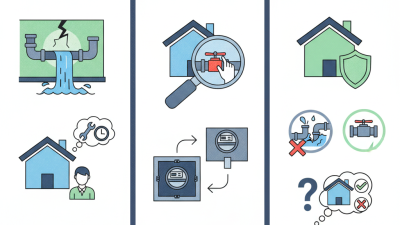
A water heater can look quiet while pressure, heat, or a hidden leak builds behind the tank. Learning how to shut off water heater power and water flow is a practical safety skill, not merely a maintenance task. The U.S. Department of Energy reports that water heating represents about 18% of residential energy use. That makes safe control important for both emergency response and household efficiency.
The U.S. Consumer Product Safety Commission warns that scalding water can cause severe injuries, especially to children and older adults. NFPA research also identifies water-heating equipment as a recurring factor in home fires. Plumbing and heating expert Richard Trethewey often emphasizes a simple emergency principle: “When water is leaking, shut off the water supply first.” The exact valve location varies. Look above the tank, near the cold-water inlet, or at the home’s main shutoff.
A gas heater needs extra caution. Do not operate electrical switches near a suspected gas leak. Leave the area and contact the gas utility or emergency services. For an electric model, switch off the dedicated circuit breaker before draining or servicing. That detail is easy to miss.
This guide explains how to shut off water heater systems safely, step by step. It covers gas and electric units, leaking tanks, relief valves, vacation settings, and restart checks. A common mistake is draining a tank before cutting power. That can damage heating elements. Another mistake is assuming a closed valve proves the tank is safe. It does not. Temperature, pressure, and structural damage still require professional evaluation.
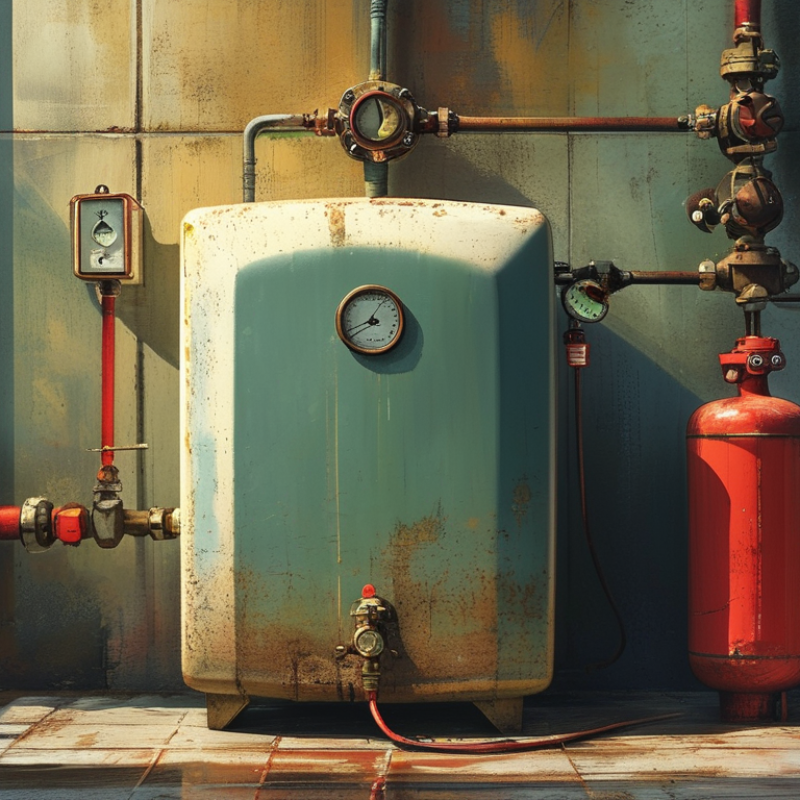
Before shutting off a water heater, identify its type and locate every main control. Electric models usually connect to a dedicated circuit breaker. Gas models normally have a gas control valve near the unit. Both types have a cold-water inlet valve, often positioned above the tank.
The U.S. Department of Energy reports that water heating uses about 18% of household energy, so correct control matters during maintenance.
For an electric heater, switch off the dedicated breaker and verify the unit is dead with a suitable tester. For a gas heater, turn the control to “pilot” or “off,” then close the nearby gas supply valve when necessary.
Do not operate gas controls if you smell gas. Leave the area and contact the local emergency service.
Close the cold-water inlet before draining the tank. Open a hot-water tap carefully to reduce pressure.
A practical inspection should also locate the home’s main water shutoff. It may sit near the meter, basement entrance, or exterior wall. Labels can be wrong.
I have seen unclear markings cause needless delays, so testing each valve gently is wiser than guessing. The U.S. Department of Energy recommends regular water-heater maintenance, including checking connections and temperature settings.
Never force a seized valve or remove an access panel while power remains connected.
2026 Top Guide: How to Shut Off a Water Heater Safely?
Turn Off the Energy Supply Safely
Water heating uses about 18% of household energy, according to the U.S. Department of Energy. Before touching the heater, identify its energy source. Electric units usually have a dedicated breaker. Gas units have a control valve and a separate gas shutoff valve. Keep the floor dry, wear gloves, and let the tank cool before draining or servicing it. Hot water can burn skin quickly.
For an electric heater, switch off the dedicated breaker. Do not remove the access panels. A qualified technician should verify that power is absent before internal work begins. For a gas heater, turn the control to “Pilot” or “Off” only when instructed by the manual. If you smell gas, leave immediately and contact the local gas utility from outside. Do not operate switches or create flames. Never force a stiff valve.
The U.S. Consumer Product Safety Commission commonly recommends a 120°F setting to reduce scald risk, but household plumbing can vary. Test the water with a thermometer. I still check the breaker twice, because labels can be wrong. If the heater leaks, shut off the cold-water inlet after securing the energy supply. Call a licensed professional when wiring, gas piping, pressure relief devices, or unusual noises are involved. Some “quick fixes” create a bigger hazard.
2026 Top Guide: How to Shut Off a Water Heater Safely?
Close the Cold Water Inlet Valve
Locate the cold water inlet pipe, usually entering the heater from above. The pipe often feels cool. Before touching the valve, switch off electricity at the service panel or set the gas control to its safe shutdown position. The U.S. Department of Energy’s Energy Saver guidance reports that water heating uses about 18% of household energy, so correct isolation matters.
Turn a gate-valve handle clockwise until it stops gently. For a quarter-turn ball valve, rotate the handle until it sits crosswise to the pipe. Do not force it. Old valves can seize, and excessive pressure may damage the stem or connections. Open a nearby hot-water tap briefly. The flow should slow and stop. That small test confirms the inlet is closed.
Do not open the temperature-and-pressure relief valve for this check. It is a safety device, not a routine shutoff. The U.S. Consumer Product Safety Commission continues to warn about scalding hazards from hot water, so keep hands away from discharge pipes and exposed hot fittings. In practical inspections, a valve may look closed while still passing water. Wait several minutes and check the tap again. If water continues flowing, or the valve drips around its stem, close the home’s main water supply and contact a qualified professional. I used to assume a stiff handle only needed more force; that assumption can turn a minor repair into a leak.
Before servicing a water heater, turn off its energy source: switch off the electrical circuit for an electric unit, or set the gas control to “Pilot” or “Off” according to the appliance instructions. Then close the cold water inlet valve, usually located above the tank. Open a hot-water faucet carefully to relieve pressure, but remember that hot water may remain inside the tank.
The chart shows approximate exposure times associated with serious scald injuries at different water temperatures. Actual injury time varies with water flow, skin contact, age, and health conditions. Always test water carefully and keep children away from the work area.
Before servicing a water heater, stop its energy source. Turn off the dedicated breaker for electric models. For gas models, set the control to “off” and close the gas supply only when instructed. Then close the cold-water inlet above the tank. Open a nearby hot-water tap slowly. This reduces pressure and lets hot water cool inside the tank. Never touch the discharge pipe immediately. It may release scalding water.
The U.S. Department of Energy reports that water heating uses about 18% of household energy. A powered heater can still heat water after a quick valve closure. Confirm the breaker is off with a suitable tester, not just by checking a display. For gas units, verify the burner is not operating and follow the manual’s restart procedure. The International Code Council requires temperature-and-pressure relief protection, but that valve is not a routine drain valve. Opening it without training may cause burns or prevent proper resealing.
Tips: Wear gloves and eye protection. Keep children away. Test the faucet temperature carefully. Do not force a stuck valve. A common mistake is assuming a dark control panel means zero pressure. It does not. If water keeps flowing, the inlet valve leaks, or the relief valve discharges continuously, stop and call a licensed plumber. The U.S. Consumer Product Safety Commission continues to identify hot tap water as a serious scald hazard, so rushing this step is a poor trade.
When shutting off a water heater, inspect the area before touching controls. Look for puddles, damp insulation, rust, or water spraying from a connection. A small leak can spread behind walls. Do not ignore it.
Turn off the cold-water supply valve above the tank. For an electric heater, switch off the correct circuit breaker. For a gas model, turn the control to the off position without forcing it. If you smell gas, leave immediately and contact emergency services from a safe location. Never operate switches near a strong gas odor. My first instinct was once to tighten a wet fitting, but that can worsen a damaged connection. Dry hands and a flashlight make the inspection safer. Not every leak is obvious.
Restore service only after the leak source is repaired and the tank appears stable. Open the cold-water valve slowly, then open a nearby hot-water tap. Air may sputter before water flows steadily. Check every joint with a dry paper towel, including the drain valve and pressure-relief area. For an electric heater, restore power only after the tank is completely full. A dry heating element can fail quickly. For a gas heater, follow the unit’s lighting instructions and confirm normal operation. Watch it for several minutes. Recheck the floor later. If corrosion, continuous dripping, unusual noises, or uncertain controls remain, stop and call a qualified technician.
| Step | Safety Task | What to Do | Verification Point | Recommended Timing |
|---|---|---|---|---|
| 1 | Identify immediate hazards | Look for escaping water, steam, scorched wiring, smoke, or unusual noises. If you smell gas, do not operate electrical switches or create flames; leave the area and contact the local emergency gas service from a safe location. | The area is safe to approach, or professional emergency help has been contacted. | Before touching any valve, control, or breaker |
| 2 | Stop the water supply | Close the cold-water inlet valve located on the pipe entering the top of the heater. Turn a quarter-turn lever so it is perpendicular to the pipe, or turn a multi-turn valve clockwise until closed without forcing it. | Water flow to the heater stops. Open a nearby hot-water tap briefly to relieve pressure and confirm the supply is isolated. | Immediately for an active leak or before service |
| 3 | Shut off an electric water heater | At the electrical service panel, switch off the dedicated double-pole circuit breaker labeled for the water heater. Do not rely only on the thermostat or local disconnect. | The breaker is fully in the OFF position. Do not remove covers or touch wiring; electrical testing should be performed by a qualified person. | Before draining, repairing, or investigating an electrical fault |
| 4 | Shut off a gas water heater | Set the gas control to “Pilot” or “Off” according to the appliance instructions. If the gas supply itself must be isolated and there is no emergency, close the manual gas shutoff valve only if it is clearly accessible and safe to operate. | The burner is not operating and no gas odor is present. Never relight a pilot if gas has accumulated or the source of a leak is uncertain. | Before maintenance or when the unit must remain inactive |
| 5 | Inspect for leaks | Check the cold and hot connections, temperature-and-pressure relief valve discharge pipe, drain valve, tank base, and nearby floor. Do not plug, cap, or obstruct the relief-valve discharge pipe. | Record the leak location and severity. A leaking tank, relief valve, gas connection, or damaged pipe requires qualified service. | After isolation and again before restoring service |
| 6 | Decide whether draining is necessary | Do not drain the heater for a simple shutdown or minor inspection. If draining is required, allow the water to cool, attach a suitable hose to the drain valve, route it to a safe drain location, and open a hot-water tap to admit air. | The discharge path is secure and cannot scald people, damage flooring, or create a slip hazard. | Only when required for repair, replacement, or approved maintenance |
| 7 | Prepare for restoration | Close the drain valve, remove the hose, confirm all service panels and fittings are secure, and ensure every hot-water tap is closed except where air purging is intentionally required. | No tools, hoses, loose wires, or combustible materials remain near the heater. | Before reopening the water supply |
| 8 | Refill the tank | Open the cold-water inlet slowly. Open a hot-water faucet until water flows steadily without sputtering, then close the faucet. | The tank is full and connections remain dry. Never energize an electric heater or operate its heating elements before the tank is completely filled. | After draining or replacing components |
| 9 | Restore energy | For an electric unit, restore the dedicated breaker only after confirming the tank is full. For a gas unit, follow the appliance instructions for relighting or restarting; stop if the pilot will not stay lit or a gas odor is detected. | The heater starts normally without tripped breakers, unusual sounds, smoke, or gas odor. | After all leaks and air pockets have been addressed |
| 10 | Monitor the system | Inspect the heater and surrounding floor while it reheats. Check hot-water fixtures for steady flow and confirm that no water is escaping from fittings or the relief-valve discharge pipe. | The area stays dry and the unit operates normally. Arrange professional service for recurring leaks, corrosion, overheating, or pressure-related discharge. | Within the first 15–30 minutes and periodically afterward |
© Copyright 2025 | LittleFirefighter.com | All Rights Reserved | 1EZ Creative: Orange County Web Design

Fusce ut ipsum tincidunt, porta nisl sollicitudin, vulputate nunc. Cras commodo leo ac nunc convallis ets efficitur.

12345 North Main Street,
New York, NY 555555
1.800.555.6789
sale@vibrotools.com