When facing a plumbing emergency, knowing how to locate and use a water turn off valve is vital. According to plumbing expert Robert Green, "A water turn off valve can save your home from significant water damage." Understanding this essential valve can help you act quickly in urgent situations.
Locating the water turn off valve may not be straightforward for everyone. Some homeowners overlook areas like basements or crawl spaces. Others may not understand the importance of the valve's function. Often, it is a simple twist or lever that can stop flooding or leaks instantly. However, many people forget where they placed it. Regular checks can prevent panic during emergencies.
Using a water turn off valve correctly is equally important. Turn it clockwise to shut off the water flow. But if it's stuck, applying too much force may cause damage. Inadequate maintenance can lead to rust or wear. Thus, knowing how to handle your water turn off valve requires practice and care. Never underestimate its role in your home’s plumbing system.
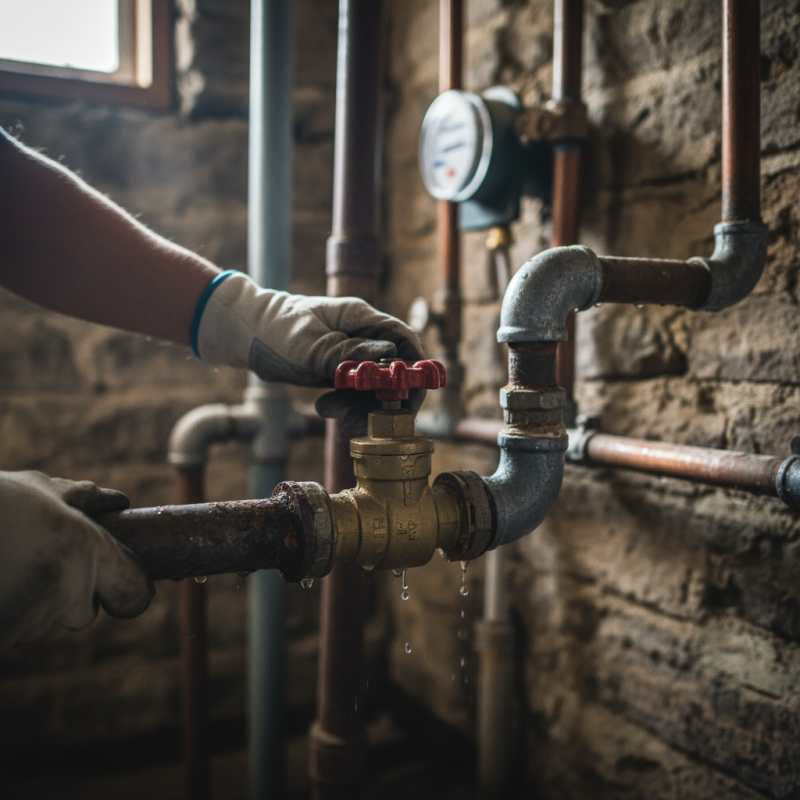
A water turn off valve is an essential component in a plumbing system. Its primary purpose is to control the flow of water throughout a house. This valve allows homeowners to shut off water supply during emergencies or repairs. Leaks can cause extensive damage, and having a functional valve can prevent costly repairs. According to industry reports, about 10% of homes experience water leaks, leading to wasted water and property damage.
Understanding where the water turn off valve is located is crucial. In many homes, this valve is found near the water meter or where the main water line enters the house. However, some homes may have multiple valves. Knowing the exact location can save time and reduce damage in urgent situations. Research indicates that many people do not know how to locate their valve. This lack of knowledge can magnify issues during a plumbing emergency.
Homeowners often overlook the maintenance of their valves. A neglected valve can become stuck, making it difficult to operate when needed. For example, it's essential to test the valve periodically, ensuring it opens and closes smoothly. Home inspections often find that nearly 30% of valves are either malfunctioning or heavily corroded. Regular check-ups can prevent future inconveniences.
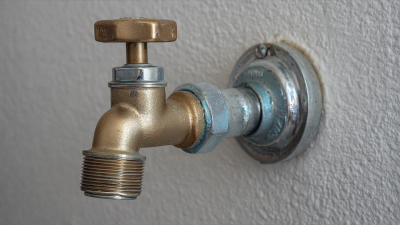
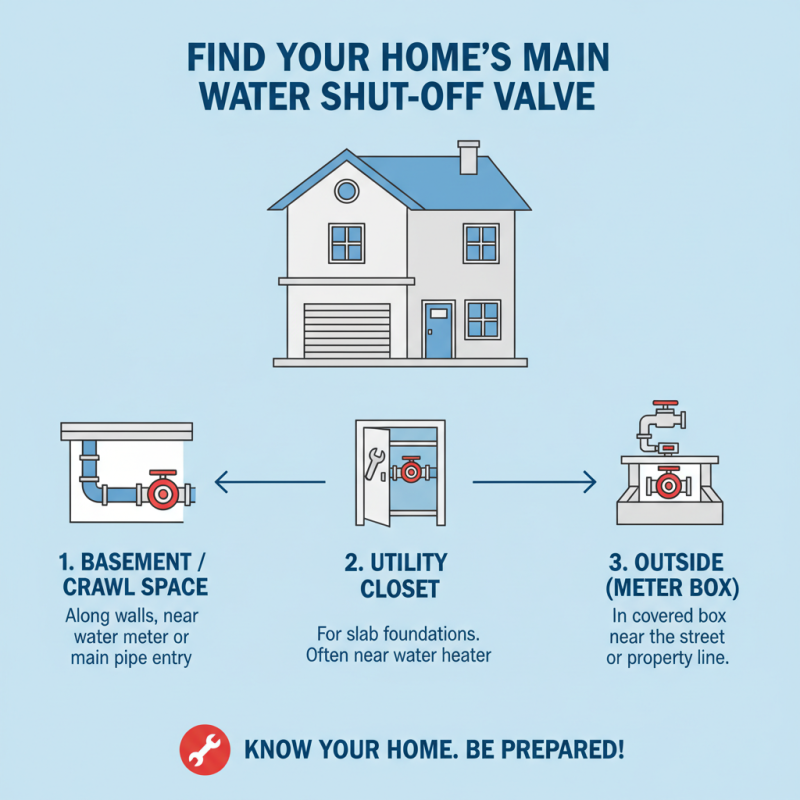
When searching for a water turn-off valve in your home, it’s crucial to know where to start. These valves are often found in specific locations. One common area is the basement or crawl space. Look along the walls, near the water meter or main pipe. If you have a slab foundation, the valve may be hidden within a utility closet.
Another typical spot is in the kitchen. Many homes have valves under the sink. This valve controls the water supply to the faucet. Sometimes, valves are placed in the laundry room, near washing machines. Check behind the appliances, as space can hide these controls.
Make sure to inspect your bathrooms too. A valve may reside near the toilet or under the sink. Even though you might think a valve is easy to spot, it can be tricky. Dust and clutter can hide these important features. Understanding these common locations will help you be prepared in case of a plumbing emergency.
Locating your water turn off valve is essential for any homeowner. This valve can save you from costly water damage during emergencies. Start your search in the basement, if you have one. Look near the perimeter of the house, close to the foundation. Many valves are typically found along walls, often behind insulation or stored items.
If your home lacks a basement, check your crawl space. In some houses, the valve may be in the garage. When you find the valve, ensure it operates smoothly. If it’s hard to turn, it might need lubrication or replacing. A broken valve can lead to complications in emergencies.
Remember, every home is unique. Sometimes, the valve is not where expected. Don't overlook areas like under sinks or near water heaters. Document its location for future reference. It's easy to forget or misplace this information. Poor labeling can cause stress when facing unexpected leaks. Keeping your valve accessible and known is vital for effective home maintenance.
When dealing with plumbing issues, knowing how to operate a water turn off valve is crucial. This valve can prevent serious water damage. According to industry reports, burst pipes account for over $12 billion in property damage each year in the U.S. Understanding how to use this valve effectively can save homeowners significant costs and stress.
To safely locate and operate your water turn off valve, follow some simple tips. First, identify the valve. It is often located near the water meter, usually in the basement or outside near the foundation. Turn it clockwise to shut it off. Ensure you have the necessary tools handy, such as a wrench, in case it becomes stuck. If you struggle to turn the valve, a short burst of penetrating oil may help.
Practice using the valve regularly. This ensures that you are familiar with it when an emergency arises. A study by the American Society of Home Inspectors shows that nearly 60% of homeowners don’t know where their shutoff valve is located. Take action today to avoid being part of that statistic. Remember, awareness of your water shut-off valve can be a lifesaver.
| Step | Description | Safety Tips | Tools Needed |
|---|---|---|---|
| 1 | Locate the main water shut-off valve, typically found near the water meter or where the main water line enters the home. | Wear gloves and protective eyewear if you're unsure about the area. | Flashlight (if dark), gloves |
| 2 | Turn the valve clockwise to shut off the water supply. | Ensure you have dry hands to avoid slipping while turning the valve. | Pliers (if valve is stuck) |
| 3 | Check if the water has stopped by turning on a faucet. | Use a towel for any spills during this process. | Bucket (to catch water) |
| 4 | When finished, turn the valve back counter-clockwise to reopen the water supply. | Make sure to turn it back fully to avoid leaks. | None |
Maintaining your water turn off valve is crucial for smooth plumbing and water management. Regular inspection is essential. Check for leaks or rust around the valve. If you notice anything unusual, do not ignore it. Small problems can escalate quickly. Keep the valve clean to avoid build-up. Sometimes dirt and grime can cause it to malfunction.
It’s important to exercise the valve periodically. Turn it off and on a few times each year. This helps to prevent it from seizing up. If the valve is hard to turn, apply a bit of lubricant to loosen it. Remember, a stubborn valve can create more issues down the line. Use an adjustable wrench if needed, but be cautious. Over-tightening can damage the valve.
If your valve is inaccessible or damaged, consider consulting a professional. Many people overlook these important features. Neglecting them can lead to emergencies. Keeping your water turn off valve functional safeguards your home from serious water damage. Regular maintenance saves you time and money in the long run.
© Copyright 2025 | LittleFirefighter.com | All Rights Reserved | 1EZ Creative: Orange County Web Design

Fusce ut ipsum tincidunt, porta nisl sollicitudin, vulputate nunc. Cras commodo leo ac nunc convallis ets efficitur.

12345 North Main Street,
New York, NY 555555
1.800.555.6789
sale@vibrotools.com