What is Medical Grade EVOH and Why is it Essential?

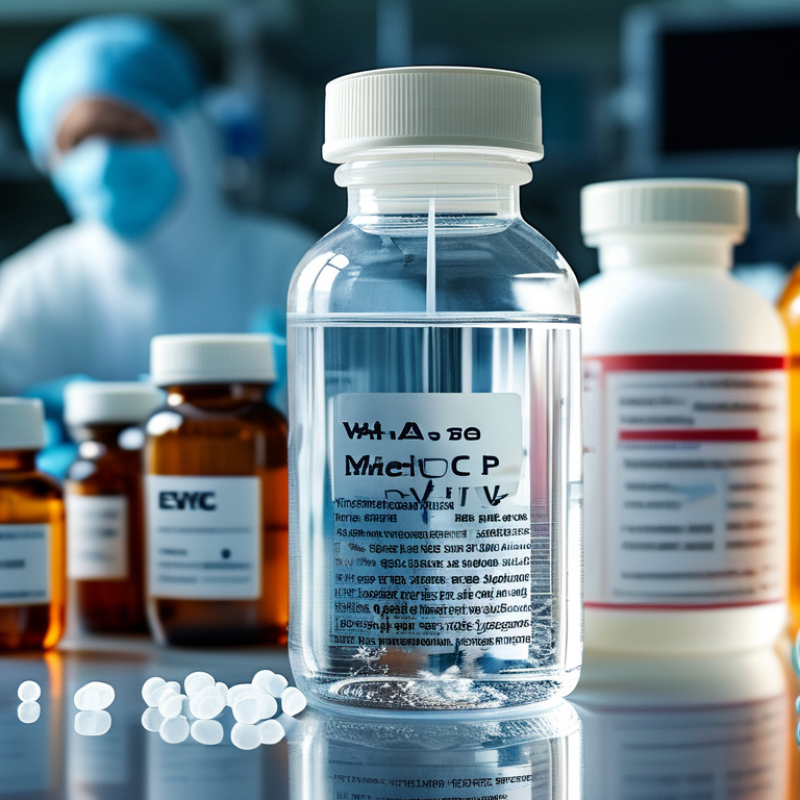
Medical Grade EVOH, or ethylene vinyl alcohol, plays a crucial role in modern healthcare applications. It is recognized for its excellent barrier properties, making it ideal for sensitive medical products. This material helps protect drugs and vaccines from contamination, ensuring patient safety.

The demand for Medical Grade EVOH is growing due to its compliance with rigorous health standards. Manufacturers value this material for its ability to enhance product integrity and shelf life. However, not all EVOH is created equal. It is essential to distinguish between medical grade and commercial applications, as the former must meet stringent regulations.

Despite its advantages, there remain challenges in sourcing high-quality Medical Grade EVOH. Manufacturers may encounter variations in quality. This highlights the importance of careful selection and testing. As the medical field evolves, understanding the properties and applications of Medical Grade EVOH will be vital for innovation and patient care.
What is Medical Grade EVOH and Why is it Essential?

Definition and Characteristics of Medical Grade EVOH

Medical Grade EVOH, or ethylene vinyl alcohol, is a specialized polymer used in healthcare applications. Its unique properties make it an essential material in the medical field. The material excels in gas barrier performance, ensuring that sensitive products remain uncontaminated. This characteristic is critical for items like surgical devices and pharmaceutical packaging.

One notable feature of Medical Grade EVOH is its biocompatibility. This means it can safely interact with biological systems. The polymer does not elicit harmful reactions when in contact with tissues or fluids. This attribute is vital for ensuring patient safety during medical procedures. Additionally, its resistance to moisture and chemicals enhances its utility, making it a reliable choice for sterile environments.

Despite its advantages, there are challenges to consider. The processing conditions for Medical Grade EVOH can be complex. Achieving optimal performance requires precise control over temperature and moisture levels. This complexity may lead to variability in production quality if not managed properly. Therefore, careful evaluation and quality control are essential in using this material effectively.

Properties of Medical Grade EVOH

Applications of Medical Grade EVOH in Healthcare

Medical Grade EVOH is gaining attention in the healthcare sector. Its unique properties make it suitable for various medical applications. This material excels in oxygen barrier performance, which helps in prolonging the shelf life of sensitive medical products. For instance, EVOH films are often used in pharmaceutical packaging. They ensure that drugs remain effective by protecting them from oxygen and moisture.

In addition to packaging, Medical Grade EVOH is crucial in device manufacturing. It is employed in the production of wound care products. The ability to create sterile environments is vital in healthcare. EVOH provides this capability, enhancing patient safety. Moreover, it plays a role in producing medical bags that store blood products.

Despite its advantages, the use of Medical Grade EVOH isn't without challenges. Processing this material can be complex. Companies need to ensure compatibility with other materials. Quality control becomes essential in ensuring that products meet safety standards. This highlights the importance of testing and validation in every application. Overall, Medical Grade EVOH demonstrates immense potential in various healthcare fields, but continual improvement and rigorous standards are essential for optimal performance.

Benefits of Using Medical Grade EVOH in Medical Devices

Medical grade EVOH, or ethylene-vinyl alcohol, plays a vital role in the medical device industry. Its unique barrier properties protect sensitive components from moisture and gases. This is crucial because many medical devices need a sterile environment. Any breach can compromise device performance and patient safety.

The benefits of using medical grade EVOH are numerous. It helps maintain sterility for longer periods. Devices that utilize this material often show improved durability. It reduces the risk of contamination during storage and usage. It also allows for thinner packaging, which can save costs and space. Despite its advantages, there can be challenges in processing this material. Manufacturers may face difficulties in ensuring consistent quality during production. Finding reliable suppliers can also be a concern.

Contamination during manufacturing can lead to failures. Therefore, strict quality controls are necessary. Manufacturers must invest in proper training and equipment. This ongoing commitment to quality ensures the safety of medical devices made with medical grade EVOH. With this material, it’s possible to push the boundaries of design while ensuring reliability in critical applications.

What is Medical Grade EVOH and Why is it Essential? - Benefits of Using Medical Grade EVOH in Medical Devices

Dimension Description Benefits
Barrier Properties Excellent barrier against gases, moisture, and contaminants. Protects sensitive medical contents from degradation.
Biocompatibility Safe for human contact; minimizes risk of adverse reactions. Ensures patient safety in critical applications.
Ease of Processing Can be easily molded and shaped for various device designs. Facilitates the manufacturing of complex medical device components.
Durability Resistant to chemical degradation and physical wear. Enhances the lifespan of medical devices.
Compliance Meets rigorous regulatory standards for medical applications. Ensures devices are market-ready and legally compliant.

Comparison of Medical Grade EVOH with Other Materials

Medical Grade EVOH stands out due to its unique properties, especially in the medical field. When compared to other materials, EVOH (ethylene vinyl alcohol) offers superior barrier performance. Its oxygen and moisture barrier capabilities help protect sensitive medical products. Meanwhile, traditional plastics may allow harmful gases or moisture to permeate, compromising the integrity of the contents.

EVOH is also biocompatible, making it safer for medical applications. In contrast, some other materials can cause adverse reactions in patients. The ability of medical-grade EVOH to maintain product sterility is invaluable. However, its production can be energy-intensive, raising questions about sustainability. This drawback highlights the importance of continuous improvement in manufacturing processes.

Despite its advantages, the use of medical-grade EVOH is sometimes limited by cost factors. Businesses may opt for cheaper alternatives that do not meet the same standards. This can lead to riskier outcomes, emphasizing the need for education in material selection. Ultimately, the choice between medical-grade EVOH and other materials should consider safety, performance, and long-term impacts.

Regulatory Standards for Medical Grade EVOH in Production

Medical Grade EVOH, or ethylene vinyl alcohol, is crucial in the healthcare sector. Its properties ensure the packaging maintains product integrity. This material interacts directly with critical medical devices and pharmaceuticals. Regulatory standards in the production of Medical Grade EVOH are rigorous. They are designed to protect patient safety and product quality.

Manufacturers must comply with ISO 13485, which emphasizes consistent quality management systems. Additionally, materials often require certifications, such as the USP Class VI. The FDA also monitors medical-grade materials closely, ensuring they meet biocompatibility standards. According to industry reports, adherence to these regulations significantly reduces risks associated with contamination and product failure.

Despite these standards, challenges persist. Some manufacturers struggle with the evolving compliance landscape. This situation raises concerns over ensuring that every batch meets the high-quality benchmarks across various applications. Continuous education and investment in technology can help bridge these gaps. Industry collaboration may enhance understanding and implementation of regulatory requirements.

AVADA IT

Fusce ut ipsum tincidunt, porta nisl sollicitudin, vulputate nunc. Cras commodo leo ac nunc convallis ets efficitur.

RECENT TWEETS

CONTACT US

  • 12345 North Main Street,
    New York, NY 555555

  • 1.800.555.6789

  • sale@vibrotools.com

Go to Top