Why Choose an Oil Offloading Pump for Bulk Fuel Transfer?
Moving bulk fuel safely requires more than a powerful motor. An Oil Offloading Pump supports controlled, efficient transfer between tankers, storage tanks, and onsite systems. It can reduce unloading time while limiting spills, pressure shocks, and unnecessary handling. Every transfer matters.
In practical operations, pump selection begins with fuel viscosity, flow rate, suction distance, and discharge pressure. A pump handling diesel may not suit heavier oils or blended fuels. Experienced technicians also inspect hose condition, connection seals, grounding, and emergency shutoff access. Small details prevent expensive interruptions. They also protect workers and equipment.
A suitable Oil Offloading Pump can improve consistency during repeated deliveries. Operators can monitor flow more accurately and reduce dependence on improvised equipment. However, higher capacity is not always better. Excessive flow can strain hoses, valves, filters, or storage tanks. That assumption deserves scrutiny. Site layout, temperature, fuel properties, maintenance routines, and local safety requirements must guide the final choice. Reliable suppliers should provide performance data, installation guidance, and service support. They should also explain operating limits clearly, rather than promise perfect results. In the following discussion, we will examine how pump design, transfer efficiency, safety controls, and lifecycle costs influence bulk fuel operations. The goal is practical: choosing equipment that performs steadily, supports compliant procedures, and remains dependable after many unloading cycles. Real-world conditions can be messy. A thoughtful evaluation leaves room for them.
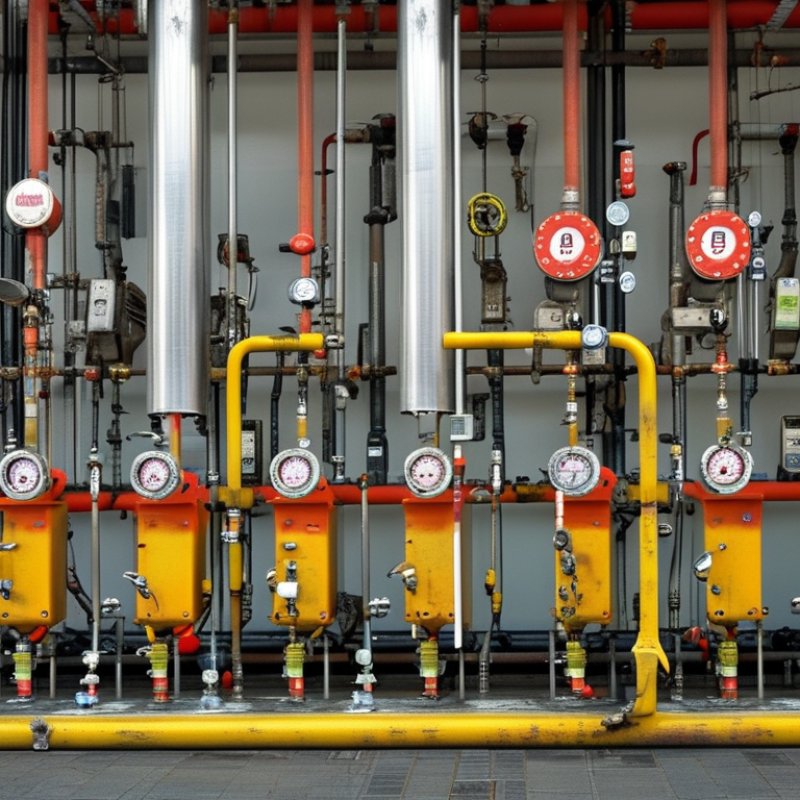
What Is an Oil Offloading Pump?
An oil offloading pump is a mechanical device used to move liquid fuel from a delivery vehicle, storage tank, or transport container into a bulk storage system. It creates controlled flow through hoses and transfer lines. Unlike a small dispensing pump, it is designed for higher volumes, longer operating periods, and changing fuel viscosity.
The pump must match the liquid, required flow rate, pressure, suction distance, and hose diameter. Centrifugal pumps suit many high-volume transfers, while positive displacement pumps can handle thicker oils with steady output. Experienced operators also inspect seals, valves, filters, and emergency shutoff controls before transfer begins. Small leaks matter. They can become serious quickly.
Safe installation requires bonding and grounding, clear ventilation, spill control, and compatible electrical equipment. The transfer area should remain clean, accessible, and free from ignition sources. Operators should monitor pressure and unusual vibration throughout the process. A pump that sounds rough may still run, but that does not mean it is healthy. I have learned that selecting capacity alone is a weak decision; real performance depends on the whole system. The tank inlet, pipe length, fuel temperature, and maintenance condition can change the result. Regular inspections and documented operating procedures make bulk fuel transfer more predictable and reliable.
Why Choose an Oil Offloading Pump for Bulk Fuel Transfer?
An oil offloading pump provides controlled, continuous fuel transfer from tankers, storage tanks, and transport containers. The chart compares representative transfer times for 10,000 liters of fuel at common operating flow rates.
Higher-capacity centrifugal and positive-displacement pumps can reduce offloading time significantly while maintaining a steady flow. Actual performance depends on fuel viscosity, hose length, elevation, temperature, pump condition, and system pressure.
How Oil Offloading Pumps Support Bulk Fuel Transfer
Why Choose an Oil Offloading Pump for Bulk Fuel Transfer?
Bulk fuel transfer demands control, not simply speed. The International Energy Agency’s Oil 2024 report projects global oil demand to reach 105.4 million barrels per day by 2030. This scale increases pressure on storage terminals, transport facilities, and fuel distribution points. An oil offloading pump helps move fuel from tankers, railcars, or road tankers into storage tanks with a steady, measurable flow.
Operators can monitor pressure, temperature, hose movement, and suction sound during transfer. These details matter. A sudden pressure change may indicate a blocked filter or restricted line. A suitable pump also reduces manual handling and supports cleaner connections. Flow meters and emergency shutoff systems can improve accountability and response time. The U.S. Energy Information Administration’s Annual Energy Review shows that petroleum remains central to industrial and transport energy use, making reliable transfer equipment essential across busy supply chains.
A faster pump is not always better. That assumption deserves testing. Pump selection should match fuel viscosity, vapor pressure, transfer distance, tank height, and required flow rate. Positive displacement pumps may suit controlled, high-viscosity transfer, while centrifugal pumps can support higher flow under suitable conditions. Poor sizing can cause overheating, cavitation, or unnecessary energy use. Industry guidance from API and NFPA also emphasizes bonding, grounding, leak control, and properly rated equipment. In practice, small installation details often decide whether bulk offloading feels smooth or stressful.
Safety and Maintenance Requirements for Reliable Operation
Why Choose an Oil Offloading Pump for Bulk Fuel Transfer?
Safety and Maintenance Requirements for Reliable Operation
An oil offloading pump provides controlled flow during bulk fuel transfer. It reduces manual handling and helps operators manage large volumes more steadily. A suitable pump should match the fuel viscosity, transfer distance, flow rate, and storage conditions. Oversizing can create pressure problems. Undersizing may cause overheating and long transfer times. Experienced operators check these details before installation, not after failure.
Safe operation begins with proper grounding and bonding. These measures help control static electricity near fuel connections. Inspect hoses for cracks, soft sections, and damaged couplings before every transfer. Keep emergency shutoff controls visible and accessible. Confirm that valves open in the correct sequence. Small mistakes matter. Good ventilation also limits vapor accumulation around the pump and storage area.
Maintenance should follow the pump manufacturer’s technical schedule and site procedures. Check seals, filters, bearings, fasteners, and pressure readings regularly. A clean strainer protects the pump from debris and reduces unnecessary wear. Record unusual noise, vibration, leakage, or slower flow. These signs often appear before a serious fault. However, no checklist is perfect. A rushed inspection can still miss a loose fitting, so operators should pause when conditions look unusual. Isolate energy sources before servicing, and use trained personnel for repairs. Reliable transfer depends on disciplined habits, clear records, and equipment suited to the actual work.