RNA Extraction is a fundamental technique in molecular biology. Researchers rely on it for various applications. However, the process can pose challenges. Optimizing RNA extraction can significantly impact experimental outcomes.
Many researchers struggle with yields and purity. Common pitfalls include improper handling and storage. It’s essential to use high-quality reagents to ensure reliable results. Additionally, meticulous lab practices can help avoid contamination. A small oversight could lead to significant errors.
Implementing efficient RNA extraction strategies is crucial for reproducible results. By focusing on detail-oriented techniques, you can improve your workflow. The following tips will enhance your RNA extraction process. They will empower you to achieve better quality and quantity of RNA.
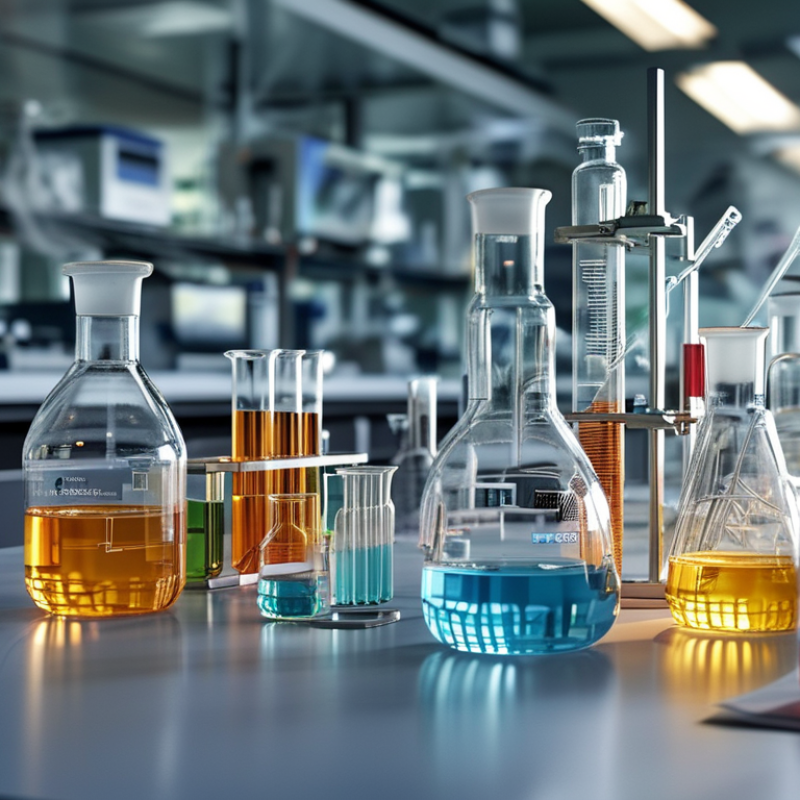
When preparing for RNA extraction, adequate preparation is crucial. Planning the workflow will save time and improve results. Ensure your workspace is clean and organized. Contaminants can degrade RNA quality. Use sterilized equipment to minimize the risk of contamination.
Essential preparation involves assembling all necessary materials beforehand. Having everything ready reduces stress during the extraction process. Consider the temperature and environment where the samples will be stored. RNA is sensitive to degradation; cooling samples immediately can help maintain integrity.
Here are a few tips to enhance your RNA extraction. Always wear gloves to avoid introducing contaminants. Use RNAse-free tubes and tips to prevent degradation. Ensure that you follow recommended protocols closely, but don't hesitate to adjust based on your unique samples. Experience often reveals that minor tweaks can lead to significant improvements in yield and purity.
Choosing the right RNA extraction protocol is crucial for successful research outcomes. Various factors influence this choice, including sample type, desired yield, and downstream applications. For instance, studies show that using a protocol specifically designed for your sample type can enhance RNA yield by up to 50%. It’s essential to evaluate the nature of your samples to select an appropriate method.
Common protocols vary widely, and not every method is suitable for all samples. For example, while spin-column-based methods might offer quick results, they may not be as effective for complex samples. Research indicates that column-based extraction methods can lead to co-purification of contaminants, which affects RNA quality. Addressing these issues early in the process can save time and resources later.
Furthermore, consider the purity and integrity of RNA. A260/A280 ratios above 1.8 are ideal, but achieving this can be tricky. Protocols that fail to remove genomic DNA often result in flawed qPCR results. Frequent re-evaluation of your chosen methodology is prudent, even if initial outcomes appear satisfactory. Adjusting protocols as needed based on experimental feedback ensures high-quality RNA extraction and reliable research results.
| Tip | Description | Best Practice |
|---|---|---|
| 1. Choose the Right Kit | Select an RNA extraction kit that suits your sample type and yield requirements. | Review user feedback and performance metrics. |
| 2. Optimize Starting Material | Use fresh or properly stored samples to ensure RNA integrity. | Keep samples on ice and avoid freeze-thaw cycles. |
| 3. Maintain RNase-Free Conditions | Use RNase-free reagents and consumables to prevent RNA degradation. | Wear gloves and use dedicated tools for RNA work. |
| 4. Follow Protocol Precisely | Adhere to the manufacturer's instructions for optimal results. | Pre-measure reagents and prepare in advance to avoid delays. |
| 5. Validate RNA Quality | Use spectrophotometry or gel electrophoresis to assess RNA purity and integrity. | Set acceptable thresholds for A260/A280 ratios. |
Maintaining RNA integrity during extraction is crucial for reliable scientific results. RNA is highly sensitive to degradation by ribonucleases (RNases), which are ubiquitous in laboratory environments. According to a study published in the Journal of Molecular Biology, about 90% of RNA samples are compromised due to RNase contamination. Therefore, laboratories must prioritize strict protocols to prevent RNA degradation.
One effective approach is to work quickly and on ice. Prolonged exposure to room temperature can aid RNase activity. Keeping samples cold reduces this risk. It is advisable to use chilled reagents and equipment, ensuring a lower likelihood of degradation. Additionally, employing a clean workspace and using RNAse-free consumables are essential steps. Research indicates that using specialized, certified RNAse-free tubes can decrease contamination risk significantly.
Proper handling is equally important. Wearing gloves and changing them frequently minimizes the chances of introducing RNases. Furthermore, using appropriate buffer solutions, like phenol-free reagents, can help maintain a stable pH during extraction. Not all labs adhere strictly to these precautions. Indeed, many overlook the importance of these details, ultimately leading to failed experiments. Keeping these principles at the forefront can enhance the quality of RNA extraction outcomes.
Contamination in RNA extraction can severely compromise experiment results. To minimize risks, strict laboratory practices are essential. Use dedicated equipment and reagents for RNA work. This separation helps prevent cross-contamination. Always wear gloves and change them frequently. Ensure surfaces are clean and free from potential contaminants.
Training and awareness among lab personnel cannot be overlooked. Regularly remind staff about contamination risks. Consider holding workshops on best practices. While protocols may seem tedious, they are crucial for reliable results. Using nuclease-free tubes is a small detail that makes a big difference.
Sometimes, despite our best efforts, contamination still occurs. An unexpected result can be frustrating. Reflection and troubleshooting can lead to improvements in technique. Keep detailed records of experiments to identify patterns in contamination. This will help refine your processes over time.
Optimizing RNA purity and yield for downstream applications starts with the right extraction techniques. Use fresh samples whenever possible. Aging samples can lead to RNA degradation. Properly store samples on ice if there are delays in processing. This small step can significantly improve your outcomes.
pH levels during extraction are crucial. A neutral to slightly alkaline environment often helps preserve RNA integrity. Monitor your buffer solutions closely; any contamination can compromise results. Use certified reagents to avoid inconsistencies in purity.
Another aspect to reflect on is the efficiency of your extraction kit. Different methods may yield different results. It is worthwhile to assess your protocols periodically. Consider variations and their impacts on yield. An imperfect method may sometimes deliver unexpected advantages, leading to new insights.
© Copyright 2025 | LittleFirefighter.com | All Rights Reserved | 1EZ Creative: Orange County Web Design

Fusce ut ipsum tincidunt, porta nisl sollicitudin, vulputate nunc. Cras commodo leo ac nunc convallis ets efficitur.

12345 North Main Street,
New York, NY 555555
1.800.555.6789
sale@vibrotools.com
