Why Safety Valves Are Essential for Industrial Equipment Performance
In the realm of industrial operations, the performance and reliability of equipment are of utmost importance. A critical component in ensuring this reliability is the implementation of safety valves. These essential devices are designed to protect industrial machinery from overpressure conditions, preventing catastrophic failures that can lead to significant operational disruptions, financial losses, and even endanger the safety of personnel. By understanding the pivotal role that safety valves play, organizations can enhance their equipment performance while maintaining a secure working environment.
Safety valves function as a fail-safe mechanism, automatically releasing excess pressure from systems such as boilers, pipelines, and compressors. Their timely engagement not only safeguards equipment integrity but also minimizes the risks associated with hazardous operational scenarios. As industries continue to advance and evolve, the importance of reliable safety measures, particularly the role of safety valves, cannot be overstated. Investing in proper safety valve systems ensures not only compliance with safety regulations but also boosts overall efficiency and productivity.
In conclusion, the integration of safety valves into industrial equipment is not just a regulatory requirement but a fundamental necessity for operational success. By prioritizing the implementation and maintenance of these safety devices, organizations can significantly mitigate risks, protect their assets, and maintain smooth operational continuity in an increasingly complex industrial landscape.
Importance of Safety Valves in Industrial Processes
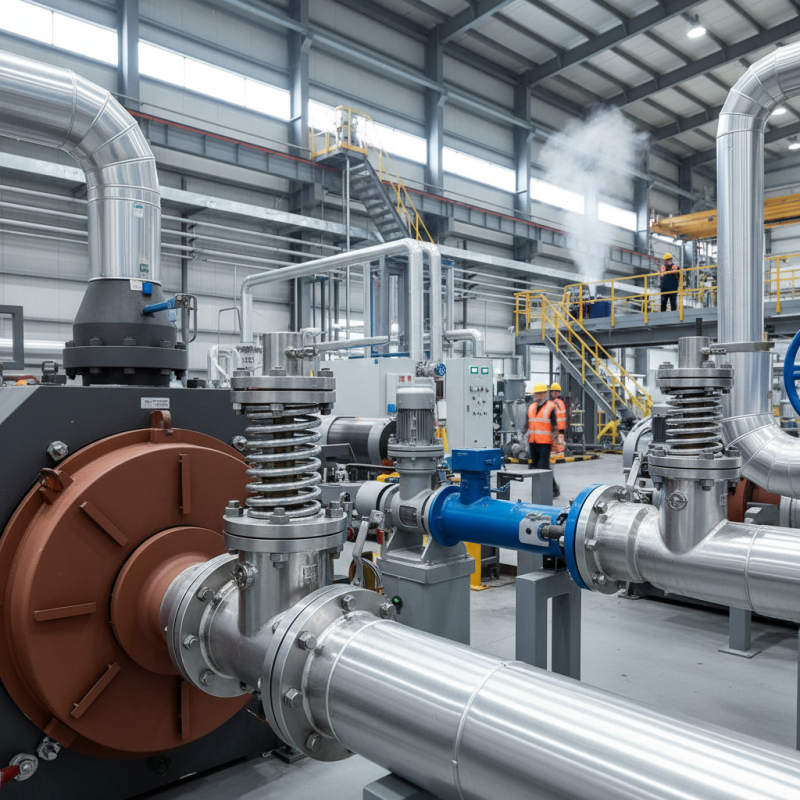
Safety valves play a critical role in ensuring the efficient operation of industrial processes. These devices are designed to automatically release pressure from boilers, pressure vessels, and other equipment to prevent potential failures. By functioning as a protective measure, safety valves help maintain the integrity of industrial systems, thus minimizing the risk of accidents and equipment damage. Their importance is underscored in processes where high pressure or temperature changes can occur, providing a necessary fail-safe that enhances both safety and reliability.
The efficacy of safety valves extends beyond mere pressure management; they are integral to operational efficiency. In many industrial applications, maintaining optimal pressure levels is crucial for productivity and energy efficiency. Safety valves allow systems to operate within designed parameters, preventing excessive pressure build-up that could lead to catastrophic failures. Furthermore, the prompt activation of these valves ensures a swift response to abnormal conditions, facilitating a safer working environment. In essence, safety valves are indispensable components that underpin the stability and performance of industrial equipment, thereby reinforcing the overall safety culture within industries.
Types of Safety Valves Used in Industrial Equipment
Safety valves play a crucial role in maintaining the performance and safety of industrial equipment. They are designed to automatically release pressure that exceeds predetermined limits, preventing equipment failure and potential hazards. Understanding the different types of safety valves commonly used in various industries can help operators make informed decisions regarding their application and maintenance.
One prevalent type of safety valve is the spring-loaded safety valve, which utilizes a spring mechanism to keep the valve closed until the pressure surpasses a set point. This type is favored for its reliability and simplicity, making it suitable for many process applications. Another type is the pilot-operated safety valve, which employs a pilot valve to control the main valve's operation, providing a more precise response to pressure changes. These valves are ideal for high-pressure applications where accurate regulation is necessary.
Tips: Regular maintenance of safety valves is essential to ensure their optimal performance. It is recommended to perform pressure testing and inspection at scheduled intervals to detect any potential issues early on. Additionally, operators should familiarize themselves with the specific type of safety valve in use, as different models may have unique operational or maintenance requirements.
Why Safety Valves Are Essential for Industrial Equipment Performance
| Type of Safety Valve |
Applications |
Working Pressure (psig) |
Temperature Range (°F) |
Material |
| Spring-Loaded Safety Valve |
Boiler systems, oil and gas |
15 to 3000 |
-20 to 450 |
Stainless steel, carbon steel |
| Pilot-Operated Safety Valve |
Chemical processing, power generation |
30 to 6000 |
-40 to 750 |
Bronze, stainless steel |
| Safety Relief Valve |
Steam systems, refrigeration |
15 to 500 |
-20 to 400 |
Brass, cast iron |
| Spring-Loaded Pressure Relief Valve |
Water systems, pneumatic systems |
10 to 1000 |
-40 to 500 |
Aluminum, stainless steel |
| Balanced Safety Valve |
Hydraulic systems, industrial processes |
25 to 3000 |
-20 to 600 |
Alloy steel, stainless steel |
How Safety Valves Ensure Operational Efficiency and Reliability
Safety valves play a crucial role in ensuring the operational efficiency and reliability of industrial equipment. By automatically releasing excess pressure, these valves prevent potential failures and accidents that could disrupt production processes. When systems operate under extreme conditions, the risk of pressure build-up can escalate, leading to catastrophic failures if not properly managed. Safety valves act as a reliable line of defense, allowing equipment to function within safe parameters while maintaining optimal performance levels.
In addition to protecting equipment, safety valves contribute to overall system reliability by minimizing downtime. When a safety valve activates, it prevents the escalation of unsafe conditions, allowing for immediate corrective actions. This promotes a smoother operational flow, as the need for extensive repairs or replacement due to pressure-related damage is significantly reduced.
Furthermore, the presence of these valves fosters a culture of safety within the workplace, as employees can operate machinery with the confidence that protective measures are in place, enhancing overall productivity. Ultimately, safety valves are not just components but essential elements that support consistent, reliable industrial operations.
Common Failures Without Safety Valves in Industrial Settings
In industrial settings, safety valves play a critical role in maintaining operational integrity and equipment performance. The absence of safety valves can lead to catastrophic failures, including equipment damage, injury to personnel, and significant financial losses. For example, without safety valves, tanks and pressure vessels can experience overpressure situations that might cause explosions or bursts, endangering not only the machinery but also the workers nearby.
Tips: Regular maintenance of safety valves is crucial. Schedule periodic inspections to ensure they are functioning properly and replace any faulty components immediately. It is also important to train employees on how to recognize early signs of pressure-related issues, promoting a proactive approach to safety.
Another common failure without safety valves is the risk of leakage and chemical spills due to uncontrolled pressure fluctuations. This can lead to hazardous working conditions and compliance issues. Furthermore, the lack of safety valves can result in unnecessary downtime, as emergency repairs and investigations become a priority after an incident. Implementing safety valves not only protects equipment but also fosters a culture of safety and reliability within the workplace.
Tips: Evaluate your safety valve setup periodically and ensure that staff understands the significance of their role. Proper documentation of all safety measures can help in maintaining regulatory compliance and instilling a safety-first mindset among all employees.
Impact of Safety Valve Failures on Industrial Equipment
Regulatory Standards and Compliance for Safety Valve Implementation
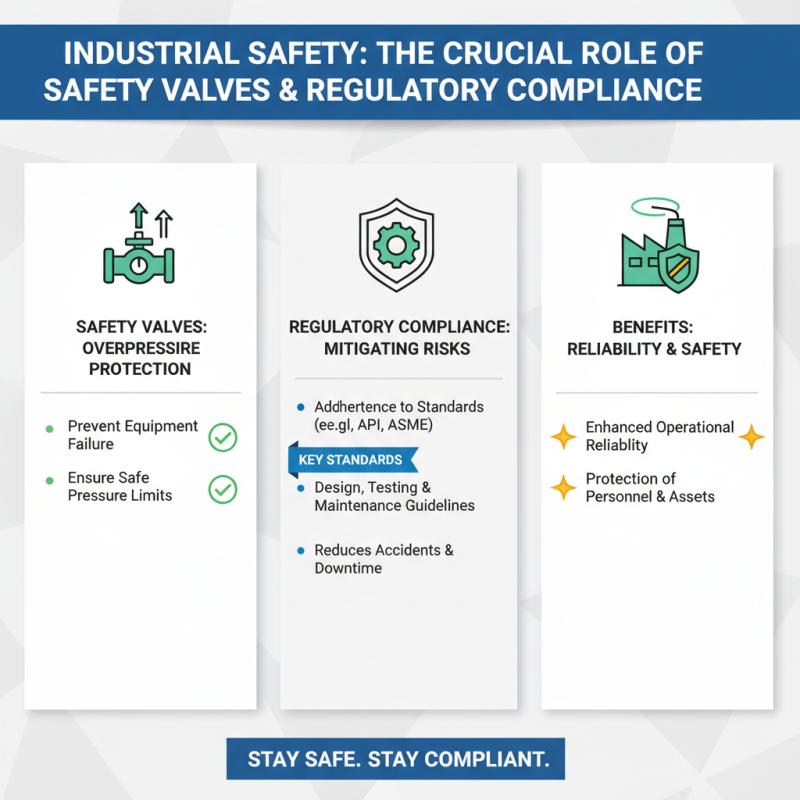
Safety valves are crucial components in industrial equipment, ensuring that operations remain within safe pressure limits. To effectively implement safety valves, compliance with regulatory standards is paramount. Various regulatory bodies have established guidelines to dictate how safety valves should be designed, tested, and maintained. These standards help to mitigate risks associated with overpressure scenarios by specifying performance criteria that safety valves must meet to ensure reliability and effectiveness.
The implementation of safety valves is not merely a matter of best practice but a regulatory requirement in many industries. Compliance with relevant standards, such as those set forth by national and international organizations, is mandatory for companies to operate legally and safely. Regular inspections and certification processes are integral to maintaining compliance, ensuring that safety valves perform as intended. By adhering to these regulations, companies not only protect their employees and assets but also demonstrate their commitment to safety and environmental stewardship. This proactive approach helps to prevent accidents and contributes to the overall performance and integrity of industrial operations.