
Buying a Shaped Pouch for international markets involves more than choosing an attractive outline. The pouch must protect the product, run reliably on filling equipment, and arrive with specifications your supplier can reproduce. Small details matter. A zipper that feels stiff, a weak seal near a corner, or a gusset that will not stand evenly can affect both use and presentation.
Quality-management expert W. Edwards Deming is widely associated with the reminder, “Quality is everyone’s responsibility.” That principle applies to pouch sourcing: buyers, designers, converters, and quality teams all influence the final result. This guide presents 10 practical buying tips, from matching pouch dimensions and material barriers to checking print proofs, sample performance, minimum order quantities, and lead times. Ask suppliers for clear specifications, not just a product photo. Request samples that reflect the intended structure and closure, then inspect seals, edges, and usability under realistic conditions. Test before committing.
There is no single pouch design for every product. A matte finish may look refined but show scuffs; a useful window may compete with barrier needs. Trade-offs deserve scrutiny. The guidance ahead helps global buyers compare suppliers with better questions, document decisions, and reduce avoidable surprises. Local requirements and product conditions still matter, so confirm them with qualified advisers before placing an order.
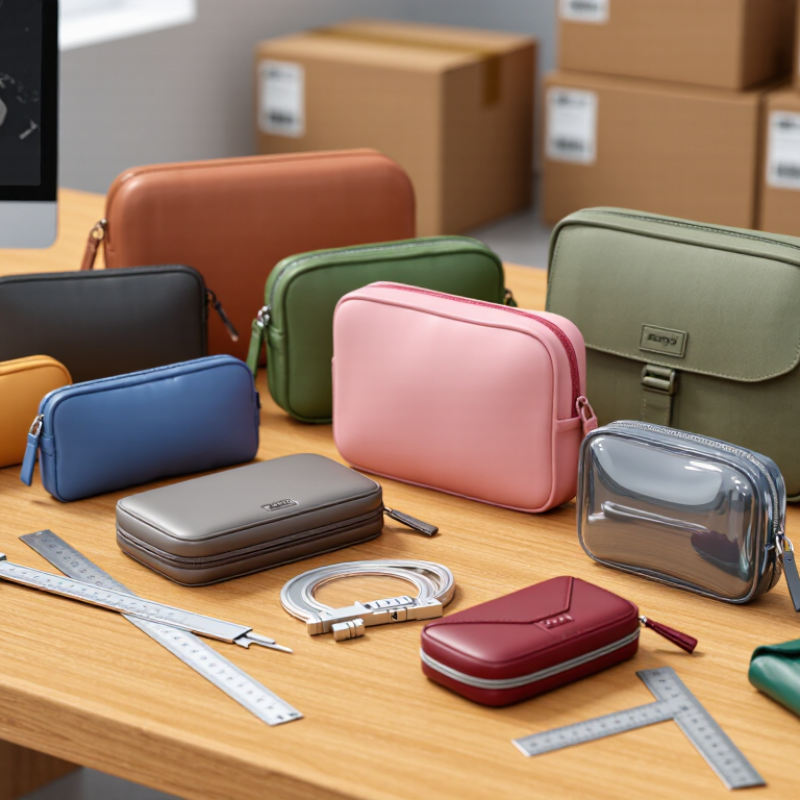
Before selecting a shaped pouch, define what the product must protect and how customers will use it. A dry snack, thick sauce, and delicate powder place different demands on the package. Note the product’s moisture, oil, acidity, and sensitivity to oxygen or light. These details guide material and barrier choices before appearance enters the discussion.
Set the target fill volume, then check the pouch’s usable space, not just its outside dimensions. A pouch that looks generous when flat may stand awkwardly once filled. Consider headspace, seal width, pouring access, and whether the package needs to sit upright. Shelf life matters too: estimate storage time and conditions, then confirm suitable barrier performance and seal integrity through testing. Shaped corners can complicate filling or sealing. That matters. It is tempting to choose a distinctive outline too early; I would revisit that choice after reviewing product and production needs.
Tips: Fill a sample pouch with the real product, or a close substitute, and test it upright, in transit, and after opening. Record leaks, bulging, and difficult pouring. A simple test may reveal a design flaw that a clean drawing misses. Then review the shape with your packaging supplier and validate the final structure under expected storage conditions.
| Tip | Product and Fill Requirement | Pouch Shape to Consider | Shelf-Life and Material Factors | What to Confirm Before Ordering |
|---|---|---|---|---|
| 01 | For dry snacks, nuts, or granola, define the target net weight and the product’s bulk density. A 100–250 g fill is a common planning range, but volume varies substantially by product. | Stand-up pouch with a bottom gusset for shelf display and a wide opening. | Choose a barrier structure suited to the product’s sensitivity to moisture, oxygen, light, and aroma loss. A resealable zipper can help after opening but does not replace a sealed package. | Run fill trials with the actual product; check headspace, zipper position, seal area, and package stability when filled. |
| 02 | For coffee beans or ground coffee, specify the fill weight, degassing behavior, and whether the product is packed shortly after roasting. | Stand-up or flat-bottom pouch, often with a one-way degassing valve for freshly roasted coffee. | Evaluate oxygen and moisture barrier requirements, seal integrity, and valve performance. The required barrier depends on roast, grind, packing conditions, and intended storage period. | Confirm valve compatibility, valve placement, filling-line settings, and shelf-life performance through product-specific testing. |
| 03 | For liquids such as sauces or beverages, establish viscosity, particulate size, fill temperature, and target volume. Small single-serve packs and larger multi-serve fills need different designs. | Spouted pouch for controlled pouring; a flat pouch may suit a small, single-use liquid portion. | Specify compatibility with the formulation, including acidity, oil content, and processing conditions. Hot-fill or retort use requires a structure and seals qualified for that process. | Test spout and cap fit, leak resistance, drop performance, seal strength, and filling accuracy with the actual liquid. |
| 04 | For baby food, purées, or other soft foods, define texture, particle size, serving volume, and whether the pouch must withstand thermal processing. | Spouted pouch for direct dispensing, or a retort pouch when the product and process require in-package sterilization. | Use only a package structure validated for the specified thermal process and food-contact requirements. Shelf life depends on formulation, processing, package integrity, and storage. | Have the product and package process reviewed by qualified food-processing and packaging specialists; verify seals after processing. |
| 05 | For powders such as protein, drink mixes, or powdered supplements, define net weight, flowability, dust generation, and the size of the scoop or serving. | Stand-up pouch for convenient access; flat-bottom pouch for larger fills and a broad shelf-facing panel. | Assess moisture and oxygen sensitivity, aroma protection, and whether a zipper is needed. Powder residues in the seal area can reduce seal quality. | Conduct filling trials, check seal cleanliness, and test zipper function and package barrier performance under expected storage conditions. |
| 06 | For frozen fruit, vegetables, or prepared foods, define frozen fill weight, piece size, and whether the product may be packed while cold or frozen. | Pillow pouch for simple, efficient packs; stand-up pouch when shelf presentation and consumer access are priorities. | Choose materials and seals that remain suitable at the intended freezing temperature. Consider puncture resistance from hard or sharp product pieces. | Test seal integrity, flex cracking, puncture resistance, and handling after freezing and thawing as relevant to the product. |
| 07 | For pet treats or dry pet food, specify piece dimensions, bulk density, pack weight, and how often the consumer will open and close the pack. | Side-gusset or flat-bottom pouch for larger packs; stand-up pouch for smaller retail sizes. | Consider moisture, oxygen, odor retention, and protection from handling damage. A zipper supports repeated access, while the primary seal protects the unopened pack. | Check filled-pack dimensions, shelf stability, zipper usability, and seal performance on the intended production equipment. |
| 08 | For small servings of condiments, powders, or personal-care products, set the exact dose and account for product left behind in the pack after dispensing. | Three-side-seal sachet or narrow stick pack, depending on product flow and dispensing needs. | Match the barrier and sealant layers to the product’s moisture, oxygen, oil, or chemical compatibility requirements. Small packs still require reliable seals. | Confirm dose accuracy, opening method, tear behavior, seal quality, and compatibility with the filling machine. |
| 09 | For products packed under vacuum, such as some meats or cheeses, define product shape, sharp edges, pack size, and the target storage conditions. | Vacuum pouch, generally a flat format; choose dimensions that fit the product without excessive unused film. | Use a structure designed for the required vacuum process and puncture resistance. Vacuum packaging alone does not establish food safety or a specific shelf life. | Validate the packing process, seal integrity, storage temperature, and product-specific food-safety and shelf-life requirements. |
| 10 | For a distinctive retail presentation, first define the product’s shape, fill weight, target shelf footprint, and whether the contents need a clear window. | Custom die-cut or shaped pouch; retain enough stable base area if the package must stand upright. | Custom outlines can affect usable volume, seal width, material yield, and package strength. Windows may alter barrier performance depending on their size and construction. | Request production samples and test filling, standing stability, shipping durability, sealing, and shelf-life performance before approving tooling. |
Planning note: Fill weights and pouch dimensions are product-dependent. Confirm actual filled volume using the product’s density and conduct package, process, and shelf-life testing under the intended storage and distribution conditions. No pouch shape or material by itself guarantees a specific shelf life.
A film name does not tell you how well a shaped pouch protects its contents. Ask suppliers for oxygen transmission rate (OTR) and water vapor transmission rate (WVTR), with units and test conditions clearly stated. Lower values generally mean less gas or moisture passes through, but the right target depends on the product, shelf life, and storage climate. A dry snack and a moisture-sensitive powder may need different protection.
Check the temperature, relative humidity, test method, and specimen structure behind each result. An OTR measured under cool, dry conditions may not predict performance in a warm, humid warehouse. Small details matter. Compare data only when conditions match, and request results for the complete laminate rather than relying on a generic film description. I would also question unusually precise figures without a test report.
Flat-film data is useful, but a finished pouch has seals, folds, and corners that can create weak points. Ask whether the formed pouch has been tested, especially around the bottom gusset and seal edges. Then run a trial with the actual product and realistic transport conditions. Lab numbers guide selection; they do not guarantee shelf life. That distinction is easy to overlook, and sometimes buyers learn it too late.
Illustrative maximum procurement targets for shaped-pouch applications. Lower transmission rates indicate stronger barrier performance.
OTR is shown in cc/m²/day and WVTR in g/m²/day. These are example buying targets, not universal standards or measured results; actual requirements depend on the product, shelf life, pouch design, and distribution conditions. Compare supplier test reports using the same method and conditions—for example, OTR at 23°C and WVTR at 38°C/90% RH—and confirm performance on the finished pouch.
For shaped pouches, a strong-looking seal is not proof of a reliable seal. Ask suppliers for ASTM F88/F88M test results, including specimen width, conditioning, test speed, and failure mode. The method measures the force needed to separate a flexible-material seal; results are typically reported as force per unit width. Compare like with like. A number without test conditions can mislead.
Request samples from actual production runs, not only laboratory prototypes. Test seals near corners, spouts, and gussets, where folds can create uneven pressure. The Flexible Packaging Association’s 2023 industry report estimated U.S. flexible-packaging sales at $42.9 billion in 2022, about 21% of the packaging market. Scale makes repeatable quality essential. Yet F88 strength alone does not establish leak resistance, so pair it with application-specific integrity checks.
Food-contact documentation deserves the same scrutiny. Match declarations and supporting records to every layer, ink, adhesive, and intended use, including temperature and contact duration. Ask which regulatory framework applies in each destination market; requirements can differ. Keep the paperwork tied to the exact pouch structure and revision. One weak spot: suppliers may provide broad compliance statements that do not name your actual material combination. Request traceable evidence, then have a qualified reviewer assess it before approval.
Compare shaped-pouch quotes by landed cost per 1,000 units, not by unit price alone. Include pouch price, printing setup, freight, insurance, and any applicable import charges. Printing methods have different cost structures: cylinder-based printing may involve substantial setup charges, while digital printing can reduce setup needs. The better option depends on order size and artwork.
Use this calculation: total order cost divided by pouch quantity, then multiplied by 1,000. For example, a hypothetical 20,000-pouch order at $0.10 each, with $600 setup and $900 freight, lands at $175 per 1,000 before import charges. A $0.12 pouch with no setup and $200 freight on a 5,000-unit order lands at $160 per 1,000. Check that both quotes use the same dimensions, material, closure, and delivery terms. Small gaps matter.
Freight can change the result quickly. UNCTAD’s Review of Maritime Transport 2024 reported that average spot rates from Shanghai to Europe rose 256% between December 2023 and June 2024. That route-specific surge is not a forecast for every shipment, but it shows why old freight estimates deserve a second look. Ask suppliers for shipment weight, carton dimensions, quoted route, and freight validity date. One blind spot: buyers often compare a full-container estimate with a small shipment’s actual charges. Recheck the math against your expected order size.
Shaped pouches can use less material than rigid packs, but their curves, spouts, zippers, and barrier layers complicate recycling. The European Commission sets a 55% recycling target for plastic packaging by 2030. Eurostat reported that about 41% of EU plastic packaging waste was recycled in 2022. That gap matters. A recyclable claim on a specification sheet does not prove a pouch will be collected, sorted, and recycled locally.
For global buyers, check the full structure, not just its main film. A pouch made from several bonded polymers may be difficult to separate in standard sorting systems. Ask for the material breakdown, recyclability assessment, and evidence that the design works in the markets where it will be sold. Local collection and sorting capacity varies. Sometimes the practical answer is less tidy than the technical one.
Tip: Request a written assessment for the exact pouch, including its spout, zipper, inks, and barrier layer. Compare it with local recycling guidance, and ask what design changes would improve compatibility. Mono-material construction may help, but it is not a guarantee. A small sample can look promising; real-world results need scrutiny.
© Copyright 2025 | LittleFirefighter.com | All Rights Reserved | 1EZ Creative: Orange County Web Design

Fusce ut ipsum tincidunt, porta nisl sollicitudin, vulputate nunc. Cras commodo leo ac nunc convallis ets efficitur.

12345 North Main Street,
New York, NY 555555
1.800.555.6789
sale@vibrotools.com
