
In the manufacturing sector, sourcing high-quality Metal Machined Parts is a critical challenge. The Global Machine Tool Market Report indicates a projected growth of 8.5% annually through 2025. This rise underscores the increasing demand for precision-engineered components. Industries such as automotive and aerospace heavily rely on these parts for safety and performance.
Efficiency in sourcing is essential for cost management. A recent survey by the National Association of Manufacturers revealed that 65% of companies struggle with supply chain disruptions. This often leads to delays and increased costs. Identifying reliable suppliers and establishing strong partnerships can mitigate some of these risks. However, it requires due diligence.
Expertise in understanding specifications is equally important. Manufacturers need to ensure that metal machined parts meet stringent quality standards. The American Society for Quality mentions that 30% of parts fail quality checks. This highlights the need for rigorous testing and the evaluation of potential suppliers. Mistakes in sourcing can lead to costly setbacks.
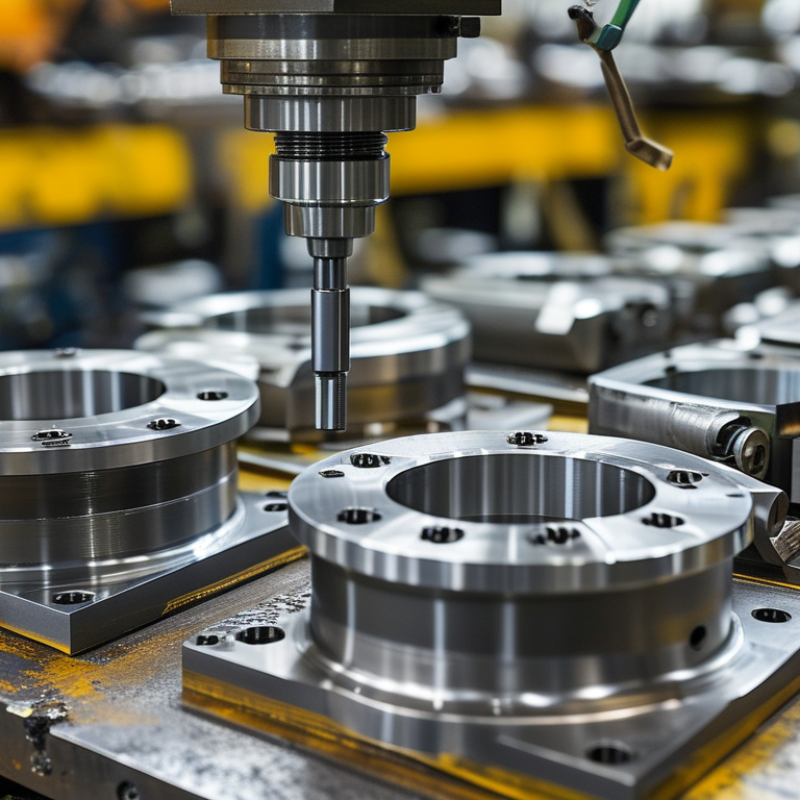
High-quality metal machined parts play a crucial role in various industries. Their precision impacts functionality, safety, and product lifespan. Poor-quality components can lead to failures and costly repairs. Therefore, choosing the right sourcing strategy is vital. Consider the expertise of the manufacturers. Experienced vendors often have better quality control processes in place.
When sourcing, focus on specific requirements. Analyze material specifications and tolerances. This analysis ensures that the parts meet your functional expectations. Look for suppliers that can provide traceability for their materials. This adds a layer of reliability to the parts you receive.
Here are some tips for efficient sourcing. Establish clear communication with your suppliers. Regular updates help manage expectations. Additionally, review samples before placing larger orders. This practice can highlight potential issues early. Lastly, explore multiple suppliers to compare quality and prices. This competitive approach can lead to better decision-making.
Identifying key specifications is crucial when sourcing high-quality metal machined parts. Start by understanding material requirements. Different applications demand different metals. For instance, aluminum is lightweight and corrosion-resistant, making it ideal for aerospace. A 2022 industry report highlights that over 40% of manufacturers prioritize material properties to enhance performance.
Next, focus on tolerances and dimensions. Precision is vital in machining. For example, a deviation of just 0.005 inches in automotive components can lead to significant failures. According to the 2023 Precision Manufacturing Survey, nearly 65% of faulty parts arise from poor adherence to specifications. Comparing various machining processes can reveal differences in their precision capabilities.
Moreover, surface finish should not be overlooked. Different finishes impact the part's functionality and longevity. A rougher finish may require additional maintenance, increasing long-term costs. Yet, achieving perfect finishes can often involve complex processes, prompting a need for reassessment of capabilities. Each specification you identify will contribute significantly to the overall success of your machined parts. Prioritize these aspects to mitigate potential issues in production.
| Specification | Description | Importance | Suggested Materials |
|---|---|---|---|
| Tolerance | The precision required for the dimensions of the part. | Critical for fitting and function. | Aluminum, Steel |
| Finish | The surface treatment or coating applied to the part. | Affects aesthetics and corrosion resistance. | Anodizing, Powder Coating |
| Material Type | The material from which the part is made. | Determines strength and durability. | Titanium, Stainless Steel |
| Quantity | The number of parts required. | Affects cost and lead time. | Aluminum alloys for high volumes |
| Lead Time | The time required to deliver the parts after the order is placed. | Essential for project timelines. | Depends on supplier capabilities |
When sourcing high-quality metal machined parts, evaluating potential suppliers is crucial. Reliability and quality are non-negotiable factors. A report from the Precision Metalforming Association indicates that 70% of companies face issues with deliverable timing due to unreliable suppliers. This statistic highlights the need for meticulous supplier evaluation.
Consider examining a supplier's certifications. ISO 9001 certification is a good benchmark for quality management systems. Additionally, look for suppliers who implement Six Sigma practices. These methodologies help reduce defects and improve product quality. However, not all certified suppliers deliver consistent results. Some may rely on outdated techniques or lack advanced machinery.
Communication is another vital element. Establishing open lines can reveal a supplier's responsiveness and willingness to collaborate. Detailed discussions about quality control processes can expose potential weaknesses. It may be tempting to select the cheapest option, but this could lead to hidden costs later. Investing time in supplier evaluation can mitigate risks and ensure a higher quality outcome.
Sourcing high-quality metal machined parts requires a strategic approach. Start by defining your specifications clearly. Detail dimensions, tolerances, and material types. This prevents misunderstandings with suppliers and ensures that you receive exactly what you need. Unclear specifications can lead to delays and costly errors. Regularly review these specifications based on production feedback to improve sourcing efficiency.
Establishing strong relationships with suppliers is crucial. Choose vendors with a proven track record in producing quality parts. Visit their facilities, if possible, to assess their processes. Communication is key; discuss potential issues openly. This collaboration can often uncover insights that improve product quality and sourcing timelines. Reflect on your past supplier experiences. Did any suppliers let you down? Learn from those situations to refine your partner selection process.
Additionally, leverage technology to streamline sourcing. Consider using platforms that facilitate supplier comparisons. Evaluate lead times and quality metrics. This can help you identify reliable partners quickly. Yet, technology is not infallible. Always conduct your own research beyond what software tools suggest. Regularly reassess your sourcing strategies for areas of improvement. This reflective practice can enhance both quality and efficiency in your sourcing process.
Quality control is crucial when sourcing metal machined parts. Each component needs thorough inspection to ensure it meets required standards. Many manufacturers may overlook quality checks, leading to defects in the production process. Small issues can escalate, impacting the entire supply chain. Establishing clear quality benchmarks is vital. Using precise measurements can help detect deviations early.
Compliance in the supply chain cannot be ignored. It requires an understanding of industry regulations and standards. Many suppliers may not be fully compliant. This non-compliance can result in costly delays. Regular audits and evaluations are necessary. Engaging independent inspectors can also provide assurance.
Utilizing technology can enhance quality control. Implementing automated checks can reduce human error. However, reliance on technology isn’t foolproof. It’s essential to blend technology with human oversight. Training staff to identify inconsistencies adds another layer of quality assurance. Embracing this multifaceted approach, despite its challenges, fosters a more reliable supply chain.
© Copyright 2025 | LittleFirefighter.com | All Rights Reserved | 1EZ Creative: Orange County Web Design

Fusce ut ipsum tincidunt, porta nisl sollicitudin, vulputate nunc. Cras commodo leo ac nunc convallis ets efficitur.

12345 North Main Street,
New York, NY 555555
1.800.555.6789
sale@vibrotools.com
