Essential Tips for Choosing the Right Gas Cut Off Valve?

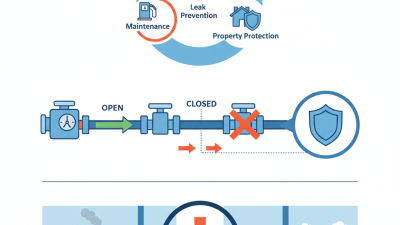
Choosing the right gas cut off valve is crucial for safety and efficiency. These valves play a key role in maintaining gas systems. They help prevent leaks and ensure proper gas flow.

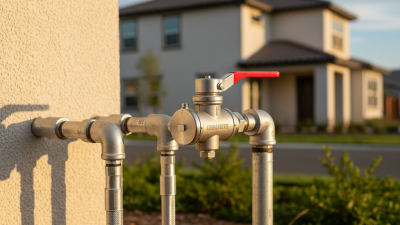
There are different types of gas cut off valves, each designed for specific applications. Understanding these differences is essential. Picking the wrong valve can lead to serious issues, creating potential hazards.

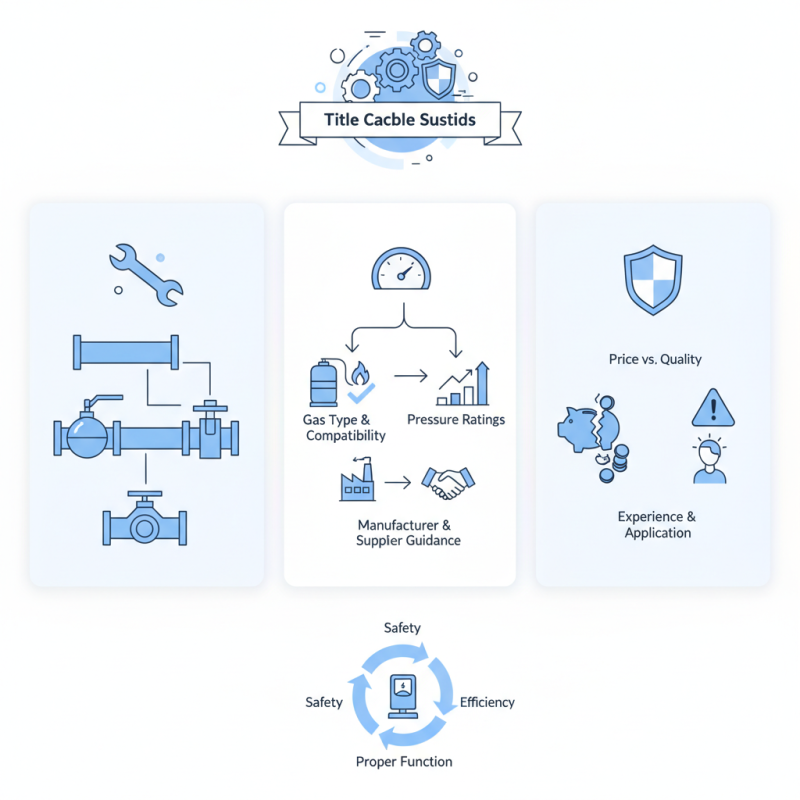
When selecting a valve, consider the application and pressure ratings. Always check for compatibility with your gas type. Don’t overlook manufacturer recommendations. A reliable supplier can offer guidance. However, sometimes, personal experience can lead to unexpected choices. Relying solely on price may not yield the best long-term solution.
Essential Tips for Choosing the Right Gas Cut Off Valve?

Understanding Gas Cut Off Valves and Their Importance

Gas cut off valves play a crucial role in ensuring safety in gas systems. They control the flow of gas, preventing leaks or potential explosions. According to the National Fire Protection Association (NFPA), improper valve selection can lead to hazardous situations, making it essential to understand their features and applications. Reliable gas cut off valves significantly reduce risks associated with gas use in homes and industries.

When choosing a gas cut off valve, consider the material. Corrosion-resistant materials are vital for longevity. Valves made from brass or stainless steel are often recommended. Also, check the valve type. Ball valves provide quick shut-off capabilities, while gate valves are better for flow regulation. The American Society of Mechanical Engineers (ASME) emphasizes that valves should meet specific pressure ratings depending on your system's requirements.

It’s advisable to evaluate potential installation locations. Accessibility is essential for maintenance and emergency responses. Avoid placing valves in hard-to-reach areas. Regular inspections are also necessary to ensure they function properly. Always consult professionals to assess your needs accurately. Understanding these aspects will improve safety and reliability in your gas systems.
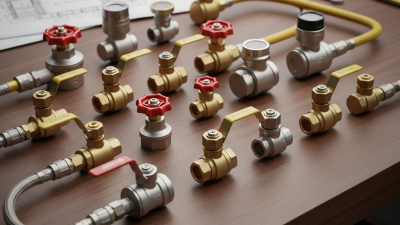

Key Factors to Consider When Selecting a Gas Cut Off Valve

Essential Tips for Choosing the Right Gas Cut Off Valve?

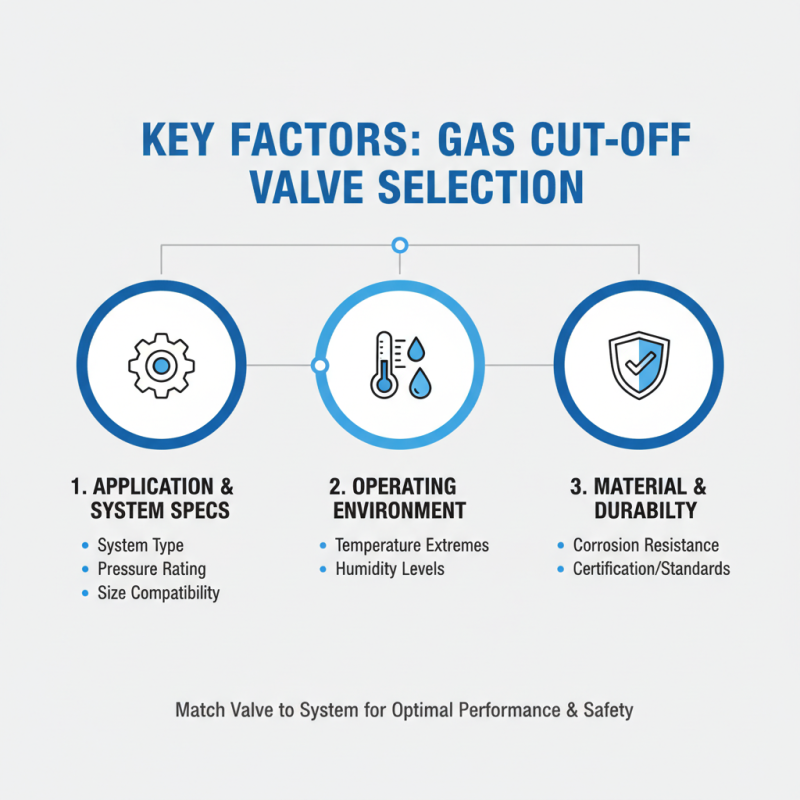
When selecting a gas cut off valve, several key factors come into play. Understanding the specific application is crucial. Different systems demand different pressure ratings and sizes. It’s essential to match the valve specifications with your gas system. Consider the environment where the valve will be installed. Factors like temperature extremes and humidity can impact valve performance.

Tips: Always check for materials that resist corrosion. Stainless steel is often a good choice. Look for features like easy accessibility for maintenance. A valve that allows for quick access can save time and effort in the future.

Safety should never be compromised. Ensure the valve meets industry standards. It’s essential to review certifications and testing results. A reliable gas cut off valve should undergo rigorous quality checks. Think about installation ease as well. Complicated installations can lead to errors, which sometimes result in dangerous situations. Reflect on the experience of the professionals who will handle installation to ensure proper fitting.

Types of Gas Cut Off Valves and Their Applications

When selecting a gas cut off valve, understanding the types available is crucial. There are manual and automatic valves. Manual valves require human operation. You need to ensure accessibility for easy control. Automatic valves, however, operate based on pressure or temperature changes. They offer the convenience of hands-free operation, but you must consider reliability in emergencies.

Another type includes ball valves, which provide a reliable seal. They allow for quick shut-off, making them ideal in high-pressure applications. Then, there are globe valves, excellent for throttling flow. Despite their versatility, they can wear out faster. You should weigh their advantages against potential maintenance needs.

Always assess the specific application for the gas cut off valve. Choose materials that suit your environment. Corrosive areas may need special coatings. Furthermore, consider the size of the pipeline. A mismatched valve can lead to leaks or insufficient shut-off. It's vital to balance technical requirements with practical application to ensure safety and efficiency.

Installation and Maintenance Tips for Gas Cut Off Valves

When it comes to gas cut off valves, proper installation and maintenance are crucial for safety and efficiency. According to industry reports, improper installation can lead to gas leaks, causing significant hazards. Always ensure valves are installed according to the manufacturer's specifications. Utilize the right tools and techniques, and consider the gas type to avoid compatibility issues.

Regular maintenance is equally important. Inspect your gas cut off valves at least once a year. Look for signs of wear or corrosion. Replace worn parts promptly. A well-maintained valve can last over a decade, while neglected ones may fail prematurely. Keep a maintenance log to track inspections and repairs.

Tip: Always shut off the gas supply before maintenance. This simple step can prevent accidents. Ensure the area is well-ventilated to minimize risks.

In addition, consider the valve's location. It should be easily accessible but away from potential hazards. Regularly educate yourself on safety protocols. Many incidents are preventable with the right knowledge and practices. Remember, safety first. Each small step counts in protecting your environment.

Usage of Gas Cut Off Valves by Type (in percentage)

Safety Standards and Regulations for Gas Cut Off Valves

When selecting a gas cut-off valve, understanding safety standards is crucial. Regulations vary by region but often incorporate guidelines from recognized standards organizations. These standards ensure the safety and reliability of the valves in various applications, preventing gas leaks and ensuring proper functionality.

Tip: Always check for certification marks when purchasing. Look for labels indicating compliance with local safety standards. This can give you peace of mind about the product's quality and reliability.

Inadequate knowledge of regulations can lead to the wrong choices. It’s essential to consult professionals for advice, especially if you are unfamiliar with gas systems. Regular inspections and compliance checks are equally important.

Tip: Implement a maintenance schedule. Document each inspection, noting any irregularities. This creates a reliable history for your gas system, enhancing safety over time.

Essential Tips for Choosing the Right Gas Cut Off Valve

Criteria Description Regulations/Standards Notes
Material Valves should be made of durable and corrosion-resistant materials like brass or stainless steel. ANSI/ASME B16.34 Check for FDA approval if used in food processing facilities.
Pressure Rating Select valves based on the maximum pressure specifications of the system. API 598 Ensure compatibility with existing gas pressures.
Size and Compatibility Choose valve sizes that match the pipeline diameters for optimal flow. ISO PN/ANSI Consider future expansion needs.
Type of Operation Manual or automated operation based on application severity and frequency. CSA B149 Automated valves may require additional controls.
Testing and Certification Ensure the valve is tested for leaks and certified for safety. ISO 9001 Check for third-party testing bodies.

AVADA IT

Fusce ut ipsum tincidunt, porta nisl sollicitudin, vulputate nunc. Cras commodo leo ac nunc convallis ets efficitur.

RECENT TWEETS

CONTACT US

  • 12345 North Main Street,
    New York, NY 555555

  • 1.800.555.6789

  • sale@vibrotools.com

Go to Top