
Choosing the right infrared electric heater for your home is a significant decision. With various options available, it can feel overwhelming. An effective heater can enhance comfort and reduce energy costs. An infrared electric heater offers quick warmth and energy efficiency. This technology heats objects and people directly, promoting a cozy environment.
When selecting an infrared electric heater, consider factors such as size, wattage, and design. The right size ensures optimal heating without wasting energy. Wattage affects heating speed and efficiency. Additionally, you want a heater that complements your home's aesthetics. Look for models with safety features to prevent accidents.
It's essential to do your research and read customer reviews. Not all heaters perform as advertised. Some may struggle with consistent heating. Understanding your home's layout can help in choosing the correct model. Ultimately, the goal is to find an infrared electric heater that meets your needs efficiently and reliably.
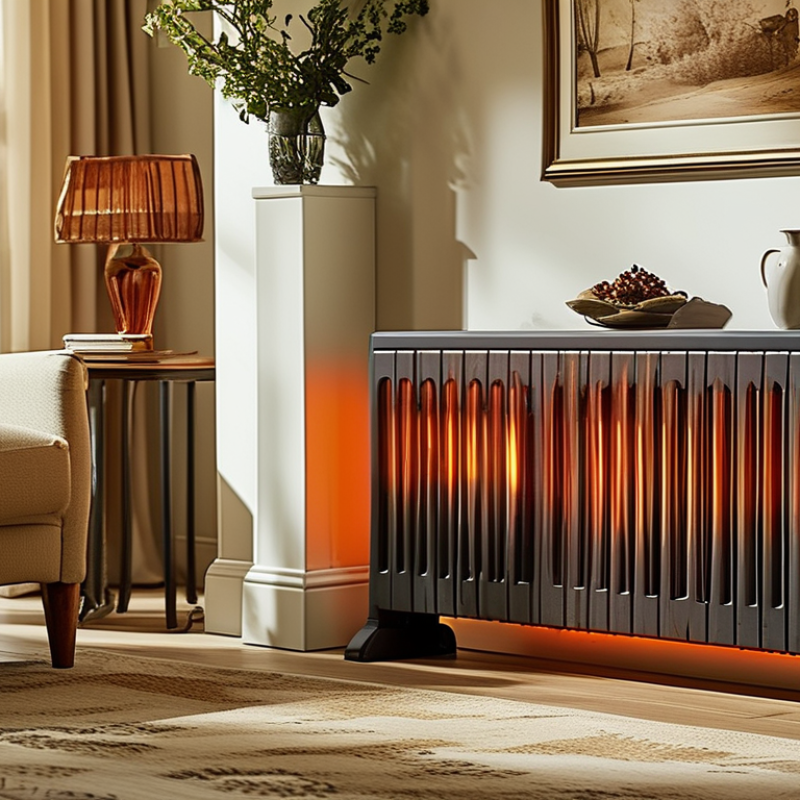
When selecting an infrared electric heater for your home, consider its energy efficiency. Look for models with high efficiency ratings. This can lead to cost savings on your energy bill. Infrared Heaters work by directly warming objects, providing quick heat. They are often quieter than traditional heaters, which allows for a peaceful environment.
Safety features are crucial. Choose heaters with automatic shut-off options. This prevents overheating and potential fire hazards. Many models now come equipped with safety grills. Ensure the heater fits your space. Size matters; a unit too small won't heat effectively, while one too large can waste energy.
It's essential to think about the heater's design. Portability can be an advantage, especially for multi-room heating. Some heaters are lightweight and easy to move. Others are designed to be permanent fixtures. Assess your needs based on your home's layout. Lastly, consider the heater’s maintenance requirements. Simple cleaning and occasional checks can prolong its lifespan, ensuring reliability year after year.
When selecting an infrared electric heater, understanding the types available is crucial. Radiant heaters warm people and objects directly through infrared rays. This can provide immediate comfort in spaces like living rooms or workshops. According to the Department of Energy, these heaters can deliver heat efficiently, reducing energy costs by up to 30%.
Convection heaters, on the other hand, circulate warm air throughout a room. They heat the space gradually, making them suitable for longer-term heating needs. Recent studies show that convection heaters may result in more uniform temperatures across larger rooms. However, they may be less energy-efficient compared to the direct warmth of radiant heaters.
Another option is panel heaters, which blend aesthetics with functionality. They can be mounted on walls and often serve as décor while providing heat. Despite their sleek design, they may struggle to heat larger spaces effectively. It’s crucial to consider your home layout and heating needs when choosing among these types. Each type has its own set of benefits and shortcomings, challenging you to weigh efficiency against aesthetics and practicality.
When selecting an infrared electric heater for your home, understanding room size and heating requirements is crucial. A report from the U.S. Department of Energy states that the average home heating requirement is approximately 20 BTUs per square foot. This means that for a 200 square foot room, you would need about 4,000 BTUs for efficient heating.
To ensure comfort, consider the insulation and window quality in your home. Poorly insulated spaces may require 30-40% more BTUs. It's vital to measure your room and calculate the necessary output. If you choose a heater that is too small, it will struggle to keep the space warm. Conversely, oversizing can lead to excessive energy use and discomfort from rapid temperature changes.
Moreover, consider the layout of your room. If there are multiple areas where heat is needed, you might need more than one unit. Utilize infrared heaters in smaller zones where they can excel, instead of relying on a single large heater for the entire house. This can sometimes lead to inefficient heating practices, leaving some areas cold while others become too hot. Taking these factors into account can significantly enhance your heating experience.
When selecting an infrared electric heater, energy efficiency should be a priority. According to the U.S. Department of Energy, models with high energy-efficiency ratings can save homeowners significant amounts on heating bills. In fact, choosing an energy-efficient heater can reduce costs by up to 30% compared to conventional heating options. To identify the right model, look for heaters with ENERGY STAR certification. These products meet strict energy efficiency guidelines set by the U.S. Environmental Protection Agency.
Consider your space before making a decision. Calculate the size of the area you need to heat. A heater with a higher British Thermal Unit (BTU) rating may be necessary for larger rooms. An infrared heater should quickly warm the space, offering immediate comfort. However, note that larger units may increase your initial investment. It's essential to balance upfront costs with long-term savings.
Evaluating energy efficiency ratings can be tricky. Not all models provide clear information about their efficiency. Look for models that include clear performance metrics. Research professional reviews, as they may shed light on real-world effectiveness. Consumer Reports often offers a breakdown of heater performance that can help you make informed choices. Take the time to understand your needs, and don't rush into a purchase.
This bar chart illustrates the energy efficiency ratings of different infrared electric heater models. The ratings are on a scale from 1 to 10, helping consumers make informed decisions based on efficiency.
When selecting an infrared electric heater for your home, safety features should be a top priority. Look for units with overheating protection. This feature automatically shuts off the heater when it reaches a certain temperature. It helps prevent fires and provides peace of mind. Consider models with a tip-over switch. If the heater is accidentally knocked over, it will turn off immediately. This is especially important in homes with pets or children.
Another key safety aspect is certifications. Always check if the heater is certified by recognized safety organizations. Certifications indicate adherence to strict safety standards. They reflect a commitment to quality and reliability. Units without these certifications might not undergo rigorous testing. Using such heaters can pose unseen risks. Always prioritize certified units for a safer home environment.
When purchasing, ensure the heater has reasonable wattage for your space. Higher wattage can heat larger areas but also consumes more energy. Assess your needs carefully. This helps in making an informed choice that ensures efficiency. Investing time in understanding safety features will lead to a better experience with your heater. Make sure to read user reviews. They often provide insights into the real-world performance of the heaters.
| Tip Number | Tip | Safety Features | Certifications |
|---|---|---|---|
| 1 | Consider the Type | Overheat Protection | UL Certification |
| 2 | Check the Wattage | Tip-Over Switch | ETL Listed |
| 3 | Look for Adjustable Settings | Cool-Touch Exterior | Energy Star Rated |
| 4 | Consider Noise Level | Flame-Resistant Housing | FCC Compliance |
| 5 | Evaluate Portability | Child Lock Feature | ISO Certified |
| 6 | Select Energy Efficiency | Automatic Shut-off | CE Marking |
| 7 | Examine Design Features | Safety Grille | RoHS Compliance |
| 8 | Read Customer Reviews | Alarm for Malfunction | TÜV Certification |
| 9 | Compare Prices | Double Insulation | Marking for Declarations |
| 10 | Check Warranty Period | LED Indicators | Safety Standards Certification |
© Copyright 2025 | LittleFirefighter.com | All Rights Reserved | 1EZ Creative: Orange County Web Design

Fusce ut ipsum tincidunt, porta nisl sollicitudin, vulputate nunc. Cras commodo leo ac nunc convallis ets efficitur.

12345 North Main Street,
New York, NY 555555
1.800.555.6789
sale@vibrotools.com
