Top 10 Electric Tricycle Suppliers for Global Buyers?
For global buyers, choosing an Electric Tricycle is not simply a price comparison. It involves load capacity, battery safety, road conditions, service support, and long-term operating costs. A delivery fleet may need a 500-kilogram cargo box, while a family buyer may prefer a compact passenger model with stable handling. Small details matter. Brake type, motor rating, controller quality, charging time, tire size, and frame protection can influence daily performance. Wet roads and steep streets expose weak designs quickly.
This guide introduces ten notable Electric Tricycle suppliers serving international markets. The selection considers product range, manufacturing experience, customization ability, export readiness, warranty terms, and communication quality. It also examines practical evidence, including technical datasheets, factory information, sample testing, and buyer feedback where available. Claims can change. Supplier rankings are not permanent. Some companies publish limited data, and that limitation deserves attention rather than generous assumptions.
Compare verified specifications before requesting quotations. Ask about battery chemistry, replacement parts, packing dimensions, certificates, and local compliance requirements. A low factory price may become expensive after freight, duties, assembly, and maintenance. Request a complete pro forma invoice. Then test the details against your operating plan. This article supports informed sourcing, but it cannot replace professional inspection or regulatory advice. Good suppliers explain weaknesses clearly. That matters more than polished marketing. Mistakes still happen, especially when buyers overlook after-sales support or regional service capacity.
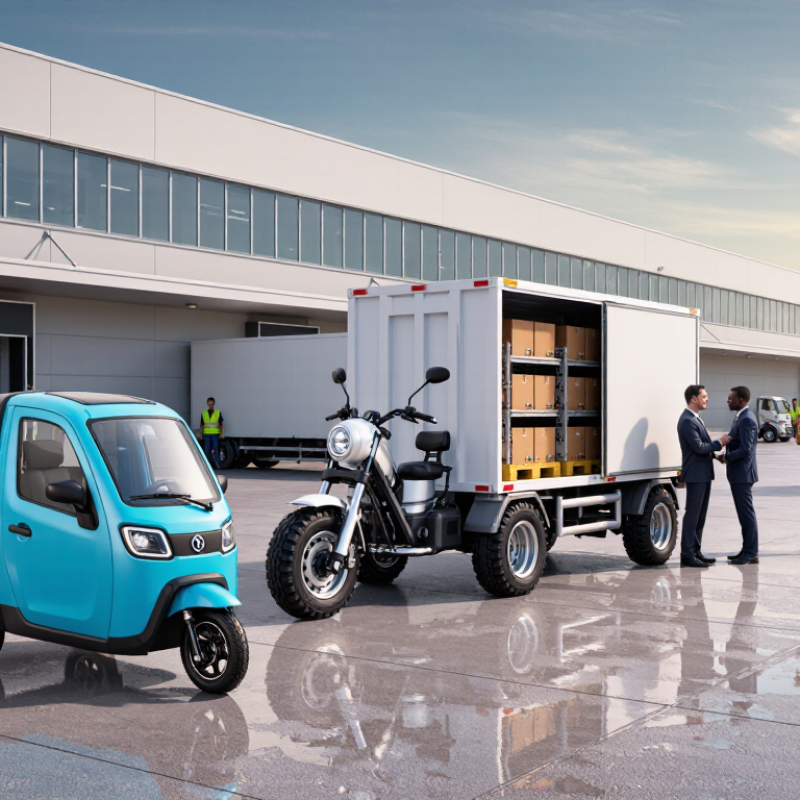
How to Evaluate Electric Tricycle Suppliers for Global Purchasing
Top 10 Electric Tricycle Suppliers for Global Buyers
How to Evaluate Electric Tricycle Suppliers for Global Purchasing
Global demand is rising quickly. The International Energy Agency’s Global EV Outlook 2024 reported more than one million electric three-wheelers sold in 2023. Most sales came from emerging markets. This growth attracts capable factories and inexperienced traders. A professional buyer must separate them carefully.
Ask for factory registration, production photos, and a live video audit. Check whether the facility builds vehicles or only resells them. Request battery test reports, cell specifications, charger data, and protection ratings. Range claims need real conditions. Test payload, hills, temperature, and road surfaces. A vehicle promising 120 kilometres may deliver much less with heavy cargo. That uncomfortable gap matters.
Review the supplier’s quality system and sample records. ISO 9001 certification helps, but it does not replace inspection. Verify welding consistency, brake performance, lighting, wiring, and waterproofing. The International Organization for Standardization reports that ISO 9001 supports consistent processes, not guaranteed product quality. That distinction is easy to miss. Ask for spare-parts lists, repair videos, warranty terms, and response times. A low purchase price can become expensive after one damaged controller.
Study export experience, packaging strength, customs documents, and agreed Incoterms. The supplier should provide serial-number tracking and clear battery shipping documents. Independent pre-shipment inspection is worth considering. Still, inspection is not perfect. My own sourcing lesson is simple: a clean sample can hide unstable production. Order a small pilot batch, measure failure rates, and keep written records before expanding the contract.
Top 10 Electric Tricycle Suppliers and Their Market Strengths
Top 10 Electric Tricycle Suppliers and Their Market Strengths
Global buyers should judge suppliers by operating strengths, not catalog size. The strongest ten supplier profiles include high-volume Asian factories, cargo-trike specialists, modular assemblers, fleet integrators, battery-focused manufacturers, and regional distributors. Others excel in refrigerated delivery, passenger transport, off-road utility, rental fleets, or custom engineering. This reflects real purchasing needs. A delivery fleet may value a reinforced frame and service parts more than a polished display.
Industry data supports this direction. The International Energy Agency reported that electric two- and three-wheeler sales exceeded 10 million units globally in 2023, with China representing the largest market. The United Nations expects 68% of people to live in urban areas by 2050. These figures strengthen demand for compact transport and short-distance logistics. Suppliers with tested battery systems, clear load ratings, and local maintenance networks hold a practical advantage. Independent testing matters. Product claims alone are weak evidence.
Market rankings remain imperfect. Public reports often combine electric bicycles, scooters, and tricycles, making direct comparisons difficult. Buyers should request cycle-life results, hill-climb data, brake performance, warranty terms, and spare-parts lead times. A supplier offering a lower price may create higher costs through downtime. The World Bank also identifies last-mile logistics as a major urban challenge, but local roads differ sharply. A model that works on smooth industrial routes may struggle on uneven streets, heavy rain, or steep lanes. Careful pilot testing is still necessary.
Shipping, Pricing, Warranty, and After-Sales Support Considerations
Global buyers should judge electric tricycle suppliers beyond the factory quotation. The IEA’s Global EV Outlook 2024 identifies electric two- and three-wheelers as a major electrified vehicle segment worldwide. Demand is real, but shipping remains complicated. Battery packs require UN 38.3 test evidence, correct dangerous-goods declarations, and suitable sea-freight packaging. Ask for the battery’s net weight, dimensions, and transport classification before signing.
Pricing needs a landed-cost view. Include the vehicle, battery, spare parts, insurance, duties, port fees, and inland delivery. BloombergNEF reported an average lithium-ion battery-pack price of 139 dollars per kWh in 2023, but this is only a market benchmark. Tricycle prices vary with chemistry, capacity, motor rating, and local certification. Cheap quotes can hide expensive replacement parts. That matters.
Warranty terms should state coverage periods, mileage limits, excluded damage, and battery capacity thresholds. A practical supplier should provide diagnostic procedures, wiring diagrams, and common service parts. The World Bank’s Logistics Performance Index 2023 shows that customs, infrastructure, and logistics competence strongly affect delivery reliability. Ask for shipment tracking and a named after-sales contact. In supplier checks, I would request three recent service cases, not only polished testimonials. This is imperfect evidence, but it exposes response times and spare-parts reality. A 24-hour reply promise means little without local stock, technician training, and documented escalation.