
In the world of electronics, understanding Circuit Board Resistors is crucial. These components play a vital role in regulating electrical current and voltage. Knowing their types and functions can elevate your circuit design skills.
Circuit Board Resistors come in various forms, each with unique characteristics. From carbon film to metal oxide, each type serves distinct purposes. Choosing the right resistor is not always straightforward. It requires careful consideration of the circuit's requirements.
Without a deep grasp of Circuit Board Resistors, mistakes can lead to circuit failures. The right resistor can enhance performance, while the wrong one can hinder it. This knowledge is valuable for engineers and hobbyists alike. Being informed about these components can save time and resources.
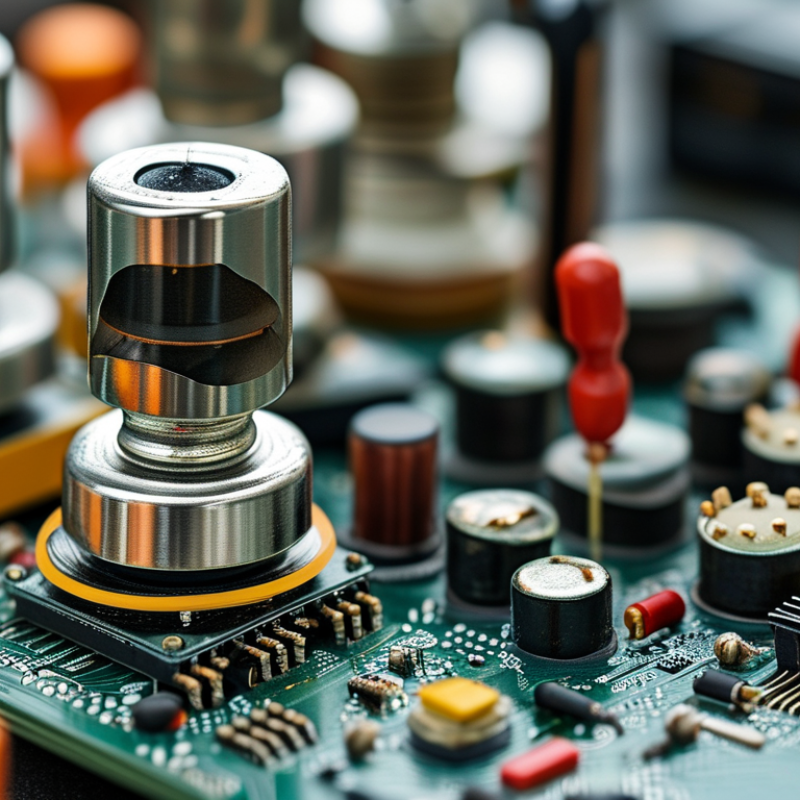
Circuit board resistors play a crucial role in managing electrical resistance within circuits. Understanding their types and functions is essential for anyone in electronics. There are mainly three types: fixed, variable, and specialty resistors.
Fixed resistors maintain a constant resistance value. They typically regulate voltage and current levels. Commonly used in light dimmers and voltage dividers, they offer reliability and efficiency. Variable resistors, such as potentiometers, allow for adjustment, which is useful in applications like sound controls. However, they may wear out over time due to mechanical movement.
Specialty resistors, including thermistors and photoresistors, respond to environmental changes. Thermistors change resistance with temperature, making them ideal for temperature sensing. Photoresistors adjust resistance based on light levels. While these tools enhance circuit functionality, they can be sensitive to external factors. Understanding their limitations and care requirements is key for optimal performance.
When selecting circuit board resistors, multiple specifications are critical to ensure optimal performance. Resistor value, tolerance, and power rating are three primary factors. The resistor value, measured in ohms, dictates how much resistance the component provides. Industry reports indicate that resistors with standard values often range from a few ohms to several megaohms, depending on the application. Tolerance, expressed as a percentage, defines how close the actual value is to the marked value. Resistors with lower tolerance percentages are usually more precise, which is crucial in sensitive electronic circuits.
Power rating is another vital specification. It determines how much power a resistor can dissipate without risk of failure. Common ratings include 1/8W, 1/4W, or 1W, with proper selection based on the circuit's current and voltage. As reported by the Electronics Component Industry Association, nearly 30% of component failures are linked to overheating. This highlights the importance of selecting a resistor with an adequate power rating for your specific use case.
Another factor to ponder is temperature coefficient, which refers to how much a resistor's value changes with temperature. This characteristic can significantly affect circuit performance. Not all resistors are created equal. Some designs may struggle to maintain accuracy under varying conditions, introducing potential for error. Documenting these aspects during the selection process can lead to more reliable and efficient circuit design.
Circuit board resistors play a critical role in modern electronics. Their primary function is to limit the flow of electrical current. This is crucial for protecting sensitive components. They ensure devices operate within safe voltage levels.
These resistors find applications in various electronic devices. In computers, they regulate power supply circuits. This prevents overloads that may damage components. In audio equipment, resistors help manage sound quality by controlling signal levels. With precise resistance values, they achieve clear audio output.
Despite their importance, not all resistors are created equal. Selecting the right type can be challenging. The choice impacts performance and reliability. Different resistor materials and configurations perform differently under varying conditions. Therefore, understanding the nuances is essential for effective application.
Circuit board resistors are essential components in electronic devices. However, they can encounter various issues affecting performance. One common problem is overheating. This often occurs due to excessive current passing through the resistor. If a resistor overheats, it can lead to circuit failure. To mitigate this issue, ensure resistors are rated for appropriate power levels. Adding heat sinks can also help dissipate heat more effectively.
Another frequent issue is the incorrect resistor value. Errors in manufacturing or labeling can lead to the use of the wrong resistor. This can alter circuit behavior significantly. Double-checking resistor codes during installation is crucial. Testing with a multimeter can also help verify values.
Moisture can affect resistors as well. Humidity can lead to corrosion, impacting reliability. Sealing circuit boards or using moisture-resistant components can prevent these problems. Regular inspections can catch early signs of damage. Reflection on these common issues helps improve circuit design and durability.
This bar chart illustrates the failure rates of the top 5 circuit board resistors. Understanding these rates can help in identifying potential issues and improving circuit reliability.
The future of circuit board resistor technology is fascinating and rapidly evolving. Engineers are exploring new materials to enhance functionality and efficiency. For instance, the introduction of carbon nanotubes promises better conductivity and heat dissipation. This could lead to more compact designs in various electronics.
Designers are also focusing on low-resistance values. This shift aims to accommodate the increasing demand for miniaturization in devices. Smaller resistors can significantly impact energy consumption and performance. However, achieving this requires balancing cost and reliability, which remains a challenge.
Another trend is the integration of resistors into flexible circuits. Flexibility allows for innovative applications in wearables and IoT devices. However, durability under different environmental conditions needs careful consideration. The long-term performance of these new technologies is still to be fully understood. This area invites further research and experimentation.
| Resistor Type | Resistance Range (Ω) | Power Rating (W) | Tolerance (%) | Application |
|---|---|---|---|---|
| Carbon Film Resistor | 1Ω - 10MΩ | 0.25 - 5W | 5 | General Purpose |
| Metal Film Resistor | 1Ω - 10MΩ | 0.25 - 5W | 1 | Precision Applications |
| Wirewound Resistor | 0.1Ω - 100KΩ | 5 - 100W | 5 | High Power Applications |
| Thick Film Resistor | 1Ω - 10MΩ | 0.1 - 2W | 5 | Electronics Industry |
| SMD Resistor | 1Ω - 10MΩ | 0.1 - 1W | 1 | Surface Mount Technology |
© Copyright 2025 | LittleFirefighter.com | All Rights Reserved | 1EZ Creative: Orange County Web Design

Fusce ut ipsum tincidunt, porta nisl sollicitudin, vulputate nunc. Cras commodo leo ac nunc convallis ets efficitur.

12345 North Main Street,
New York, NY 555555
1.800.555.6789
sale@vibrotools.com
