Top 10 Die Cast Part Surface Finishing Suppliers in China
Choosing a supplier for Die Cast Part Surface Finishing takes more than comparing prices or polished product photos. A coating may look even under showroom lights, then reveal pits, thin edges, or poor adhesion after assembly. Buyers need evidence from the actual process: cleaning controls, pretreatment records, coating-thickness checks, and samples made from comparable alloys. Details matter.
Quality expert Philip Crosby’s phrase, “Quality is free,” offers a useful lens. Applied to die-cast finishing, it points to the cost of preventing defects before they become rejected parts or delayed shipments. It is not a guarantee. A supplier still needs to demonstrate repeatable results on your geometry, alloy, and production volume. Ask how the team handles recessed features, sharp edges, and batch-to-batch color variation. Request clear test criteria, not just assurances.
This guide introduces ten China-based suppliers for readers assessing finishing options, technical fit, communication, and manufacturing capacity. The right shortlist depends on the application. Decorative parts may prioritize color consistency; automotive or industrial components may need stronger corrosion protection and documented inspection. A neat sample helps, but it cannot prove stable mass production. That gap is easy to overlook. Treat the list as a starting point, verify claims directly, and compare representative parts under agreed conditions. Even a careful supplier can miss a difficult corner. That deserves a closer look.
What Surface Finishing Means for Die-Cast Parts
What Surface Finishing Means for Die-Cast Parts
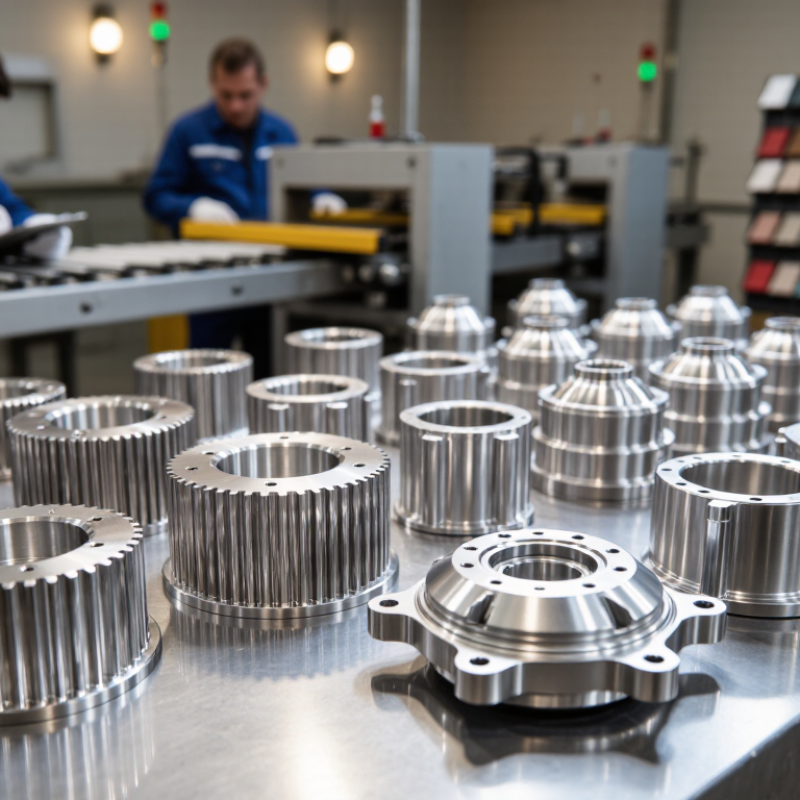
A die-cast part rarely leaves the mold ready for its final job. Its surface may show parting lines, small pores, ejector marks, or traces of flash. Finishing changes how the part looks, feels, and performs. It can also prepare the surface for paint, plating, or a protective coating.
The right process depends on the part’s material, shape, and use. Trimming removes excess metal around the edges. Blasting can create a more even texture, while polishing reduces visible roughness. Coating adds color or helps resist wear and corrosion. A good inspection checks more than appearance: measure critical dimensions and look closely at holes, corners, and mating faces. Small marks matter.
More finishing is not always better. Aggressive polishing can soften edges or alter dimensions, and a coating may not cover pores evenly. The finish should match the customer’s drawing and working conditions, not just a sample under bright lights. Specify acceptable texture, color, and inspection points before production. There is no universal finish. Even a clean-looking part can disappoint if its coating chips or its mounting surface no longer fits. That trade-off deserves a real discussion, not a perfect-sounding promise.
Common Finishing Processes Used in China
For Chinese die-cast parts, finishing often begins with trimming, shot blasting, or vibratory deburring. These steps remove gates, sharp edges, and surface scale. Shot blasting can reveal hidden porosity, though. That matters before coating. Conversion coatings, including phosphate and newer chromate-free systems, help paint adhere and resist corrosion. Powder coating suits many durable exterior parts; liquid paint allows finer color and gloss control. Zinc die castings may also receive electroplating, but consistent pretreatment is essential.
The China Association of Automobile Manufacturers reported 30.16 million vehicles produced in China in 2023. This figure indicates a large automotive manufacturing base, not finishing volumes specifically. Still, it helps explain demand for repeatable surface quality on housings, brackets, and other cast components. For aluminum die castings, anodizing needs careful alloy assessment: silicon content and casting porosity can cause uneven color. A useful supplier check is a sample run with the actual alloy, geometry, and coating thickness. Ask for adhesion, corrosion, and appearance results. One awkward truth: a glossy sample may hide pores that appear after coating, so inspect edges and recessed areas too.
How to Evaluate Die-Cast Part Finishing Suppliers
Top 10 Die Cast Part Surface Finishing Suppliers in China
How to Evaluate Die-Cast Part Finishing Suppliers
When comparing suppliers, look beyond a polished sample. Ask how they control cleaning, pretreatment, coating thickness, curing temperature, and inspection records. For a clear view, request recent test reports for parts made from the same alloy and with the same finish. Check adhesion and corrosion resistance against agreed test methods, such as ASTM B117 salt spray testing. Salt-spray hours alone do not predict real-world service life. Review the results alongside your part’s actual environment and performance requirements.
The NACE IMPACT study estimated that corrosion costs the global economy US$2.5 trillion annually, or 3.4% of global GDP. It also reported that applying existing corrosion-control practices could save 15–35% of those costs. This makes consistent finishing more than a cosmetic concern. Ask suppliers to show how they manage process variation across production batches, not just one successful sample. A glossy panel can still hide weak pretreatment. I would treat factory visits and traceable records as useful evidence, while remembering that neither guarantees every batch will be flawless.
Tips: Send a representative part, define acceptance limits in writing, and compare trial batches under identical conditions. Ask for corrective-action records when defects occur. No scorecard is perfect.
Leading Surface Finishing Suppliers in China
Leading surface finishing suppliers in China support die-cast part makers with processes such as deburring, polishing, anodizing, powder coating, and plating. The right partner understands how alloy, geometry, and intended use affect the final surface. A thin-walled housing, for example, may need gentler handling than a solid bracket with broad edges.
Look for suppliers that can explain their process in practical terms. Ask how they control coating thickness, inspect color consistency, and protect threaded holes during finishing. Request sample parts made from the same alloy and with similar shapes. Small test panels alone may not reveal how coating behaves around ribs, corners, or recessed details. Details matter.
Reliable communication is just as important as equipment. Clear drawings, agreed inspection points, and written sample approval can reduce avoidable rework. Suppliers should also describe how they track batches and handle visible defects, rather than promise that every part will be perfect. Not every finish suits every environment. A glossy coating may look appealing but show scratches quickly in frequent handling. Even a careful specification can miss something; checking real parts under the lighting used by customers is a worthwhile step.
Typical Surface-Finish Coating Thickness Ranges for Die-Cast Parts
Illustrative process ranges in micrometers (µm), not a supplier ranking.
Coating thickness depends on the alloy, part geometry, finish specification, and process settings. Confirm the required range with the finishing supplier for each application.
Comparing Supplier Capabilities and Applications
China’s die-cast finishing suppliers differ in process depth, not just coating options. Some handle trimming, vibratory deburring, shot blasting, and powder coating in one facility. Others focus on plating or decorative finishes. Grand View Research valued the global die-casting market at USD 73.06 billion in 2023 and projected 5.7% annual growth through 2030. That expansion makes repeatable surface quality important, especially for automotive housings, lighting parts, and telecom enclosures. A supplier’s best process depends on alloy, part geometry, porosity, and final use. Anodizing, for example, may produce uneven results on some die-cast alloys.
Compare suppliers using actual parts, not brochure photos. Ask for coating thickness records, adhesion-test results, defect limits, and sample parts from the same alloy and geometry. Check how they treat sharp edges, deep ribs, and trapped air pockets; these areas often reveal weak process control. A polished sample can look excellent while concealing inconsistent batch performance. That deserves a closer look.
Tips: Send a drawing, alloy grade, annual volume, and required appearance standard. Request a pilot batch and inspect it under consistent lighting. If corrosion resistance matters, agree on a test method and acceptance criteria before ordering.