Top 10 Hydraulic Lift Manufacturers in China for 2026

China’s hydraulic lift sector serves factories, warehouses, workshops, and commercial buildings with varied lifting needs. Choosing a supplier requires more than comparing prices or catalogue photos. A Hydraulic Lift must suit its load, travel height, installation space, and operating environment. Small details matter.

This guide to the Top 10 Hydraulic Lift Manufacturers in China for 2026 introduces companies for buyers to investigate, not a substitute for technical due diligence. It considers product range, customization, manufacturing capability, safety features, documentation, and after-sales support. Readers should confirm specifications directly with each manufacturer. Ask for rated capacity, platform dimensions, lifting speed, power requirements, and maintenance guidance. Request relevant test records and clear warranty terms. Paperwork matters.

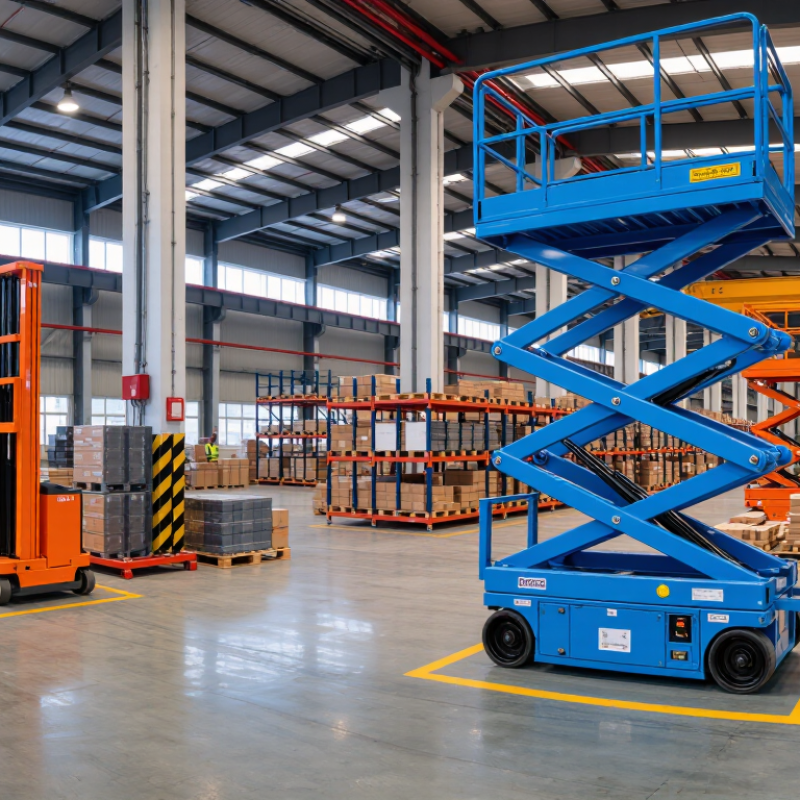
A warehouse platform lift and a compact workshop lift may look similar online, yet their duty cycles can differ sharply. Site conditions matter too: floor strength, available headroom, and access for servicing can change the right choice. No shortlist can settle every purchasing decision. Some details may still need careful verification, especially when product pages provide limited technical data. That is worth acknowledging. Use this overview as a starting point, compare written specifications, and assess each supplier against your own application before requesting a quotation.
Top 10 Hydraulic Lift Manufacturers in China for 2026

Hydraulic Lifts: Types, Components, and Operating Principles

Hydraulic Lifts: Types, Components, and Operating Principles

Hydraulic lifts are commonly used in low-rise buildings, workshops, and freight areas. Passenger, goods, and vehicle lifts differ in platform size, rated load, and door arrangement. Direct-acting designs move a piston beneath the car; indirect designs use ropes or pulleys to transfer force. The right type depends on travel height, traffic, and available pit space.

A typical system includes a reservoir, electric motor, pump, control valve, cylinder, piston, and safety devices. The pump sends oil into the cylinder, raising the piston and car. To descend, a valve releases oil back to the reservoir. The IEA and GlobalABC’s 2024 Global Status Report states that buildings account for about 32% of global energy demand. That figure covers buildings overall, not lifts alone, but it makes efficient equipment choices worth attention. Hydraulic systems can also warm the oil during frequent cycles; performance depends on sizing and maintenance.

Tips: Check rated load, travel height, and duty cycle before specifying a lift. Keep the oil clean, inspect hoses and valves, and test emergency lowering. A small leak matters. It may be easy to overlook.

How to Evaluate Hydraulic Lift Manufacturers in China

A reliable evaluation starts with the lift’s intended job. Record the rated load, platform size, travel height, duty cycle, and installation environment. A unit for a clean warehouse may not suit a damp workshop. Ask the manufacturer to explain how its design addresses your actual conditions, not only standard specifications.

Look closely. Request drawings, material details, hydraulic circuit information, and documented load-test procedures. Confirm how the supplier checks welds, cylinder performance, emergency lowering, and protection against platform drift. If possible, inspect a finished unit and watch a test cycle. A smooth demonstration is useful, but it cannot replace repeatable test records. Ask who performs the checks and how faults are recorded.

Supplier evaluation also includes communication after delivery. Request clear installation guidance, maintenance intervals, spare-parts lead times, and written warranty terms. Check whether technical staff can answer specific questions about oil temperature, seal wear, or uneven loading. A polished brochure can still leave practical gaps. I would not treat a factory visit as proof of quality by itself; production samples and records matter too. Some details may remain uncertain until the lift works at your site, so agree on acceptance checks before ordering.

How to Evaluate Hydraulic Lift Manufacturers in China

Suggested evaluation weights for comparing manufacturers in 2026. These percentages are a practical assessment framework, not results from a manufacturer survey. Verify certifications, test records, delivery commitments, and service terms for each supplier.

Suggested weighting totals 100%. Adjust it to match the lift type, operating environment, and project requirements.

Profiles of 10 Leading Hydraulic Lift Manufacturers in China

China’s hydraulic lift sector serves factories, warehouses, workshops, and construction sites. This profile of ten leading manufacturers focuses on practical differences, not promotional claims. It considers product range, engineering capability, production experience, and after-sales support. Specifications still matter.

The companies represent varied strengths. Some concentrate on scissor lifts for stable, vertical access; others build goods lifts for moving materials between floors. Several serve vehicle workshops, where platform capacity and locking features affect daily use. A few offer custom configurations for tight spaces or unusual loading conditions. Their manufacturing approaches also differ, from standardized models to more project-specific equipment.

Buyers should compare rated load, lifting height, platform dimensions, duty cycle, and installation requirements. Ask how safety devices are tested and what maintenance records are provided. A clear service plan can matter as much as the initial quotation. Product brochures rarely tell the whole story. Independent verification is useful, and available evidence may be uneven across suppliers. That limitation deserves attention. A careful shortlist should match the lift to the actual site, rather than relying on broad claims about capacity or reliability.

Comparing Products, Certifications, and Service Capabilities

A useful comparison of China’s hydraulic lift manufacturers starts with the job site, not the brochure. Check rated load, travel height, pit depth, platform dimensions, and duty cycle against the actual building. Ask for test records tied to the unit’s serial number. A certificate alone is not proof of consistent production. ISO 9386-1:2014 covers powered lifting platforms for people with impaired mobility; confirm that its scope matches the product being quoted. Also distinguish a factory quality-management certificate from product-level safety evidence. Paperwork can still mislead.

Service capability is equally practical. Ask who commissions the lift, how quickly technicians can reach the site, and which parts are held locally. A clear maintenance schedule and a documented emergency procedure matter more than a polished response time promise. Compare power-unit noise, standby consumption, and controlled lowering during a power interruption.

The UNEP Global Status Report for Buildings and Construction 2023 estimates that building operations account for about 30% of global final energy use and 26% of energy-related emissions. Those are sector-wide figures, not lift-specific measurements, but they make operating efficiency worth checking.

One detail is easy to miss: request measured data under comparable operating conditions. Without it, efficiency claims are hard to judge.

Key Factors for Choosing a Hydraulic Lift Supplier in 2026

Top 10 Hydraulic Lift Manufacturers in China for 2026

Key Factors for Choosing a Hydraulic Lift Supplier in 2026

A supplier should begin with your actual site conditions, not a generic capacity chart. Share the load, platform dimensions, travel height, pit depth, and available headroom. A lift carrying 1,000 kilograms may still be unsuitable if its platform cannot fit the largest item. Details matter.

Ask how the hydraulic system performs under repeated daily cycles, not just a single demonstration. Request drawings, load-test records, and clear descriptions of emergency lowering and door interlocks. Check that the proposed design can meet the safety requirements applicable at your installation site.

Service matters after delivery. Ask who handles commissioning, how quickly common parts can be supplied, and whether technicians can support your location. A detailed warranty is useful, but response times and exclusions deserve equal attention.

Request references for installations with similar loads and operating conditions. If possible, inspect one in person; listen for unusual pump noise and watch for uneven platform movement. Not every factory visit reveals everything. Still, direct questions often show how carefully a supplier handles practical concerns.

Compare written specifications line by line, and have an independent engineer review the design when the lift serves a busy workplace or carries valuable equipment.

AVADA IT

Fusce ut ipsum tincidunt, porta nisl sollicitudin, vulputate nunc. Cras commodo leo ac nunc convallis ets efficitur.

RECENT TWEETS

CONTACT US

  • 12345 North Main Street,
    New York, NY 555555

  • 1.800.555.6789

  • sale@vibrotools.com

Go to Top