
Top 10 Industrial Bearings You Need to Know?

Industrial Bearings are essential components in machinery and equipment across various industries. According to a report by Grand View Research, the global industrial bearings market is projected to reach $85 billion by 2027, growing at a CAGR of 4.5%. This growth reflects the increasing demand for efficient and reliable solutions in manufacturing and automation.

John Smith, an expert in the field of industrial components, emphasizes the importance of choosing the right bearings for operational efficiency. He states, "A well-selected bearing can significantly reduce downtime and maintenance costs for any industrial operation." This highlights the critical role of industrial bearings in ensuring operational reliability.

Despite their importance, many companies overlook the nuances in bearing selection and application. Different types of bearings can lead to varying levels of performance and longevity. It is essential to understand that not all bearings are created equal. Therefore, having reliable knowledge and expertise in industrial bearings is crucial for productivity and success in today’s competitive landscape.
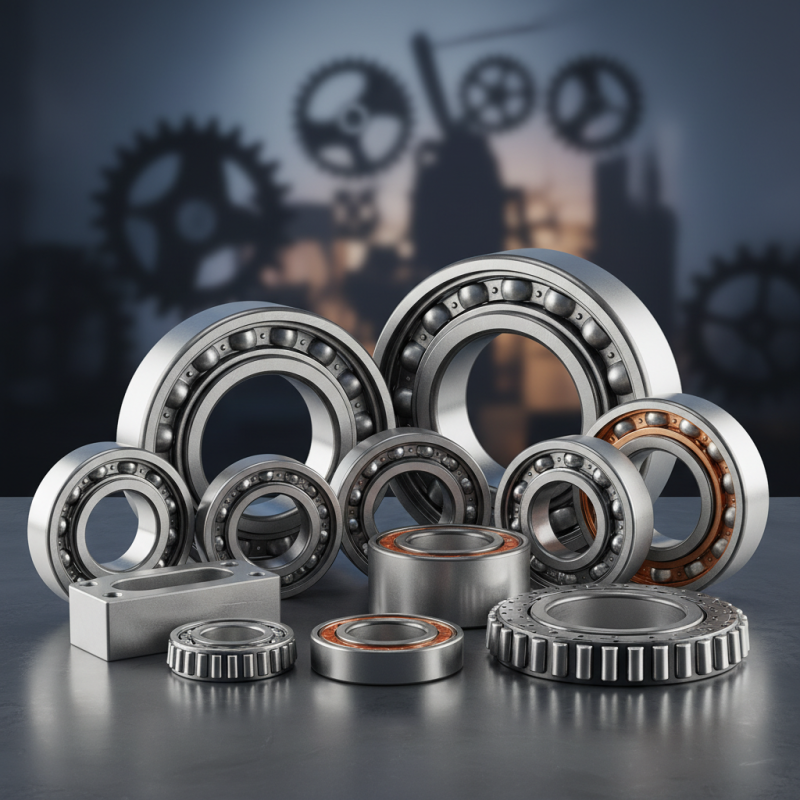
Top 10 Industrial Bearings You Need to Know?

Overview of Industrial Bearings and Their Importance

Industrial bearings are essential components in machinery, ensuring smooth operation and efficiency. They support rotating shafts, reduce friction, and bear loads. Without them, machines would grind to a halt. The choice of bearing can significantly impact the performance and longevity of equipment.

Understanding the different types of bearings is crucial. Some are suited for high-speed operations, while others excel under heavy loads. An incorrect selection can lead to premature wear or failure. For instance, a bearing designed for light use cannot endure heavy industrial settings. This mismatch often goes unnoticed until significant damage occurs.

Maintenance is another vital aspect. Bearings require regular checks for wear and lubrication. Ignoring these can lead to catastrophic breakdowns. Skilled technicians must regularly inspect components. The need for continuous learning in bearing technology is evident, as innovations constantly emerge. While we strive for perfection, sometimes, even the best practices must be reevaluated to adapt to new challenges.

Types of Industrial Bearings and Their Applications

Industrial bearings are essential components in various machinery, influencing efficiency and performance. Different types cater to specific applications, impacting industries like manufacturing, automotive, and aerospace significantly. A report by the International Federation of Robotics states that bearing failures can lead to costly downtimes, highlighting the importance of selection and maintenance.

Ball bearings are among the most common types. They offer low friction and are ideal for high-speed applications. Roller bearings, however, can handle larger loads but may experience higher friction at speed. According to the World Bearing Association, about 80% of industrial machinery uses ball or roller bearings. For heavy machinery, tapered roller bearings provide effective load distribution, balancing between radial and axial forces.

Thrust bearings are crucial in applications requiring high axial loads, like turbines and marine engines. Magnetic bearings represent advanced technology, reducing friction by using magnetic levitation. While their implementation can be costly, they allow for higher speeds and reduced wear. Understanding the specific needs of an application is key to choosing the right type. Misalignment or improper installation can lead to premature failure, underscoring the need for knowledgeable application.

Key Characteristics to Consider When Selecting Bearings

When selecting industrial bearings, it's essential to consider several key characteristics. Load capacity stands out as a primary factor. This measures the amount of weight the bearing can handle. Ensuring the bearing can support your application's weight is crucial for durability. The material is also relevant. Bearings made from high-strength steel or ceramics can offer enhanced performance in harsh environments.

Another factor to consider is the lubrication type. Greased or oil-lubricated bearings can impact efficiency. Greased variants may require less maintenance, while oil-lubricated types may provide smoother operation. Pay close attention to the operating temperature range. Exceeding recommended temperatures can lead to failure.

Tips: Always assess your working conditions. Dust, moisture, and chemicals can harm bearings. Consider seals and shields for added protection. Testing various options may help identify the best fit. Do not overlook installation procedures. Incorrect installation can lead to premature wear. Remember, every application is unique. Reflect on what works best for you.

Top 10 Industrial Bearings: Features and Benefits

Industrial bearings play a crucial role in machinery efficiency. They support rotating shafts and reduce friction between moving parts. Understanding their features can enhance performance in various applications.

One critical feature is load capacity. Bearings are designed to handle specific loads. Choosing the correct type of bearing for your application is vital. High-load applications may require more robust bearings. Conversely, lighter applications can utilize smaller, more cost-effective options.

When selecting bearings, consider lubrication. Proper lubrication minimizes wear and extends the bearing's life. Insufficient lubrication may lead to overheating and premature failure. Regular maintenance checks help identify potential issues before they escalate.

Tip: Keep an eye on vibration levels. Excessive vibration could indicate a problem with the bearing. Timely detection can save costs in the long run.

Another feature to consider is temperature tolerance. Bearings must withstand specific heat levels. For high-temperature environments, specialized bearings are necessary. They help prevent breakdown under stress.

Understanding these features ensures optimal performance. A detailed evaluation of your needs is necessary for successful applications.

Maintenance and Care Tips for Industrial Bearings

Industrial bearings are crucial for the smooth operation of machinery. Proper maintenance is vital to extend their lifespan. Regular checks can identify issues before they escalate. Keep bearings clean and lubricated to reduce friction. Use the right type of lubricant, as not all are suitable for every application.


Monitoring temperature is essential. Overheating can signal problems. If a bearing runs hot, it may need adjustments or replacement. Listen for unusual noises during operation. Sounds can indicate wear or misalignment. It’s often a sign that more serious issues are brewing.


While routine maintenance is necessary, not all practices are perfect. Sometimes, personnel may overlook small signs of wear. Training is essential to improve awareness. Reflections on past failures can lead to better practices. Learning from mistakes can help prevent future problems. Use these insights to cultivate a proactive maintenance culture. Proper care of industrial bearings is not just about function; it’s about reliability and safety in operations.

AVADA IT

Fusce ut ipsum tincidunt, porta nisl sollicitudin, vulputate nunc. Cras commodo leo ac nunc convallis ets efficitur.

RECENT TWEETS

CONTACT US

  • 12345 North Main Street,
    New York, NY 555555

  • 1.800.555.6789

  • sale@vibrotools.com

Go to Top